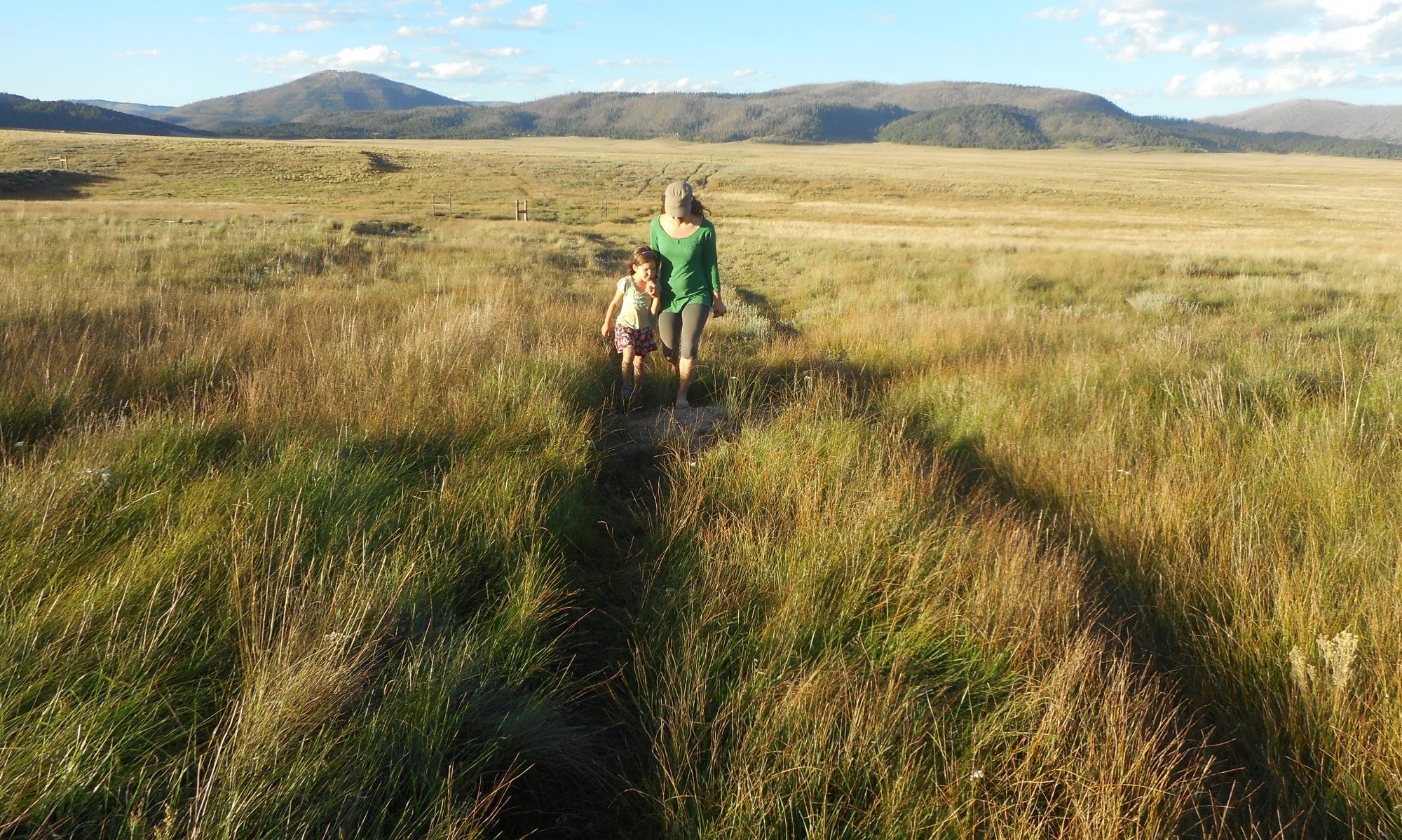

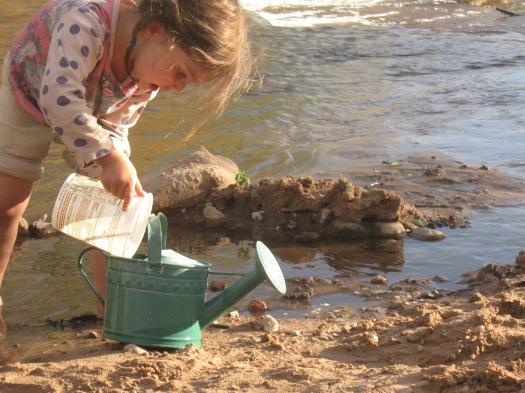
At the end of our road, and across the next, there sometimes runs a little river. The winter waters kindly left us a beach, and we pay thanks by visiting often. This is a fine place to watch the greening of the land, and to water ourselves. This river can always use more water, and my children happily come with their watering cans to oblige. Our hearts, too, can always use more softness and hope, and I find that those seeds in me are well watered here. This is the place I come when I feel the tides of my despair rise.
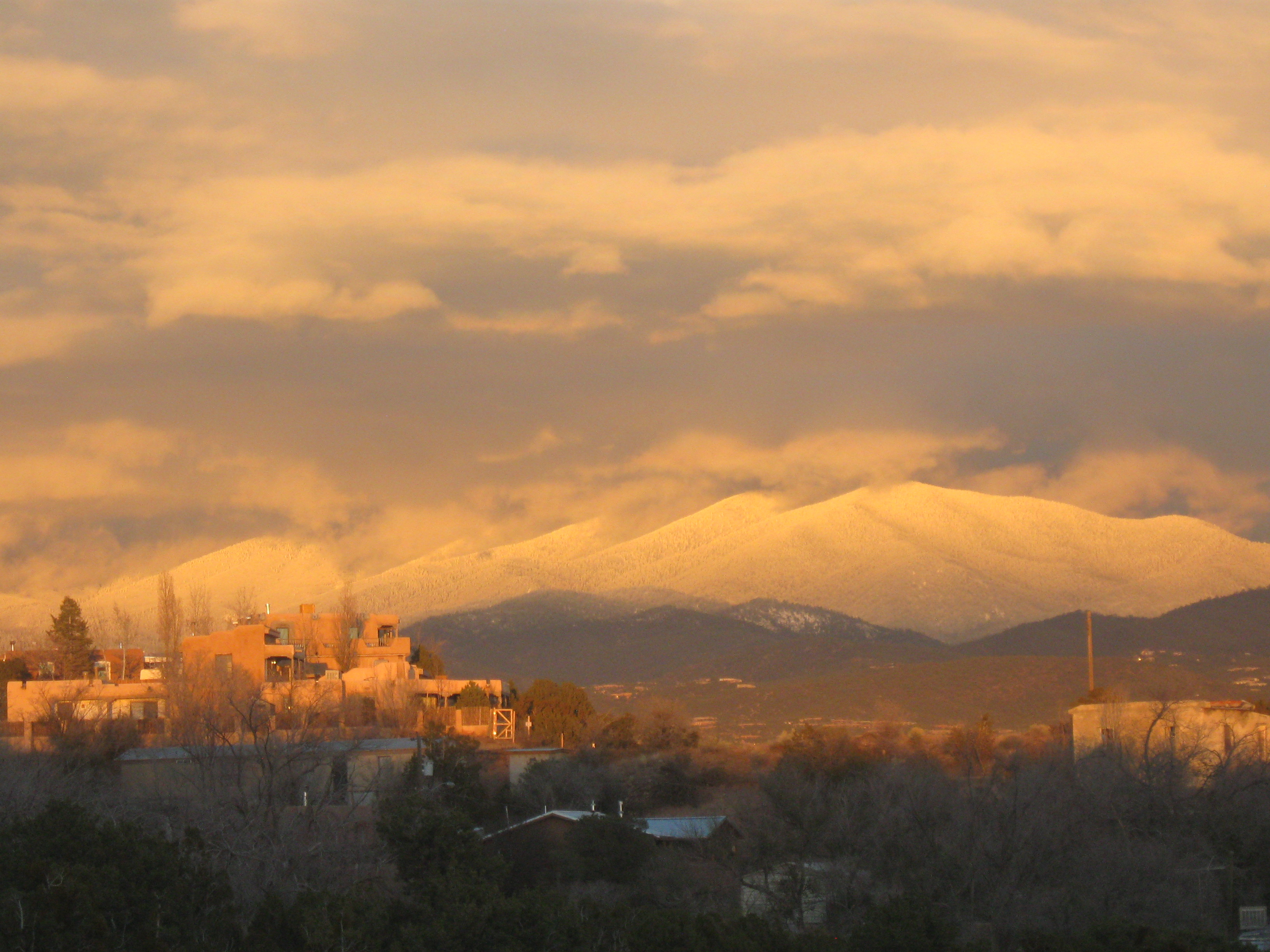
You see, I live in a very special place, a place where it is almost too easy to forget that we live in troubled times. Our little river was long ago dammed, but in recent years has received “environmental flow” to water the willows and create a commons. There is no fracking for hundreds of miles. Our last mayoral election was a heated battle between two highly progressive gay candidates. Yes, we drink plutonium tainted water, but there are plenty of watchdog groups keeping an eye on that particular fly in the ointment. New Mexico, I’ve heard, is one of the best places to survive a zombie apocalypse.
I find that it is easy to rest in the comfort of hope. As my awareness grows, so does my commitment to finding solutions and living a life that reflects them. I imagine that if I and my friends and the readers of Orion Magazine are doing that, then surely everyone will and all will be well. And then some choice pieces of bad news gets through my filter, and I realize this is a story that we are not writing a happy ending to until a fair amount more drama takes place. I lift my gaze from all the good and hopeful things, and wake up again.

Last week I signed an online petition asking Monsanto not to sue the state of Vermont, and the full absurdity of our times hit me. If that hopeful act doesn’t seem absurd, then bless you. You should move to Santa Fe. It’s usefulness was not in getting Monsanto to change its mind, but in helping me to examine mine. If not a petition, what? How shall we live, my friends?
This little river here, it is running because for twenty years scores of dedicated people did whatever they could to fight for it. The biologists did studies and wrote reports, the citizens picked up trash and planted trees, the poets wrote poems, the elders told stories, and the politicians listened. In time, a dying river came back to life in the hearts of a community, which brought it back to life in its dry little channel. Which is a good thing, because the river’s future and our own are the same.
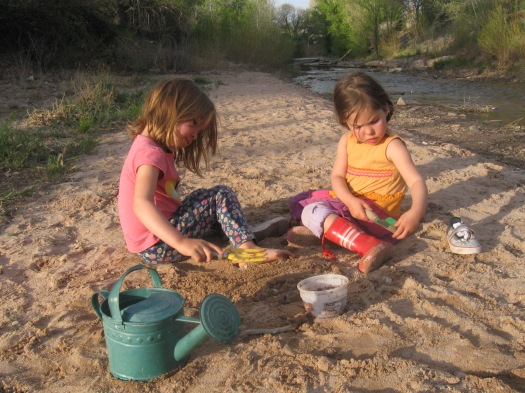
I believe most days that my work in service to the earth begins where I am. That I am accountable to what is before me–my home place, my community, my family, and myself. From there, we grow and expand, we ripple out, we strengthen the grassroots, we trust in the healing that we are directly engaged in. We try to stay awake as best we can.
Pete Seeger said the world would be saved by people saving their own homes. So dig in, friends. Do the work that your place needs to have done. Go often onto the land and fall so in love with it that you cannot breathe unless you are taking steps to protect its wholeness. Work to serve others. Sign those Facebook petitions, and write your own. Go spend a day working on the farm that grows food for the needy. Speak on behalf of the land, join the neighbors that need your solidarity. If you don’t have time to hang your clothes on the line, then for goodness sake make some. Clear away whatever clutter keeps you from knowing yourself and living according to what your heart knows is true.
And keep watering those little seeds, that trickle of water, this good thing we call life.

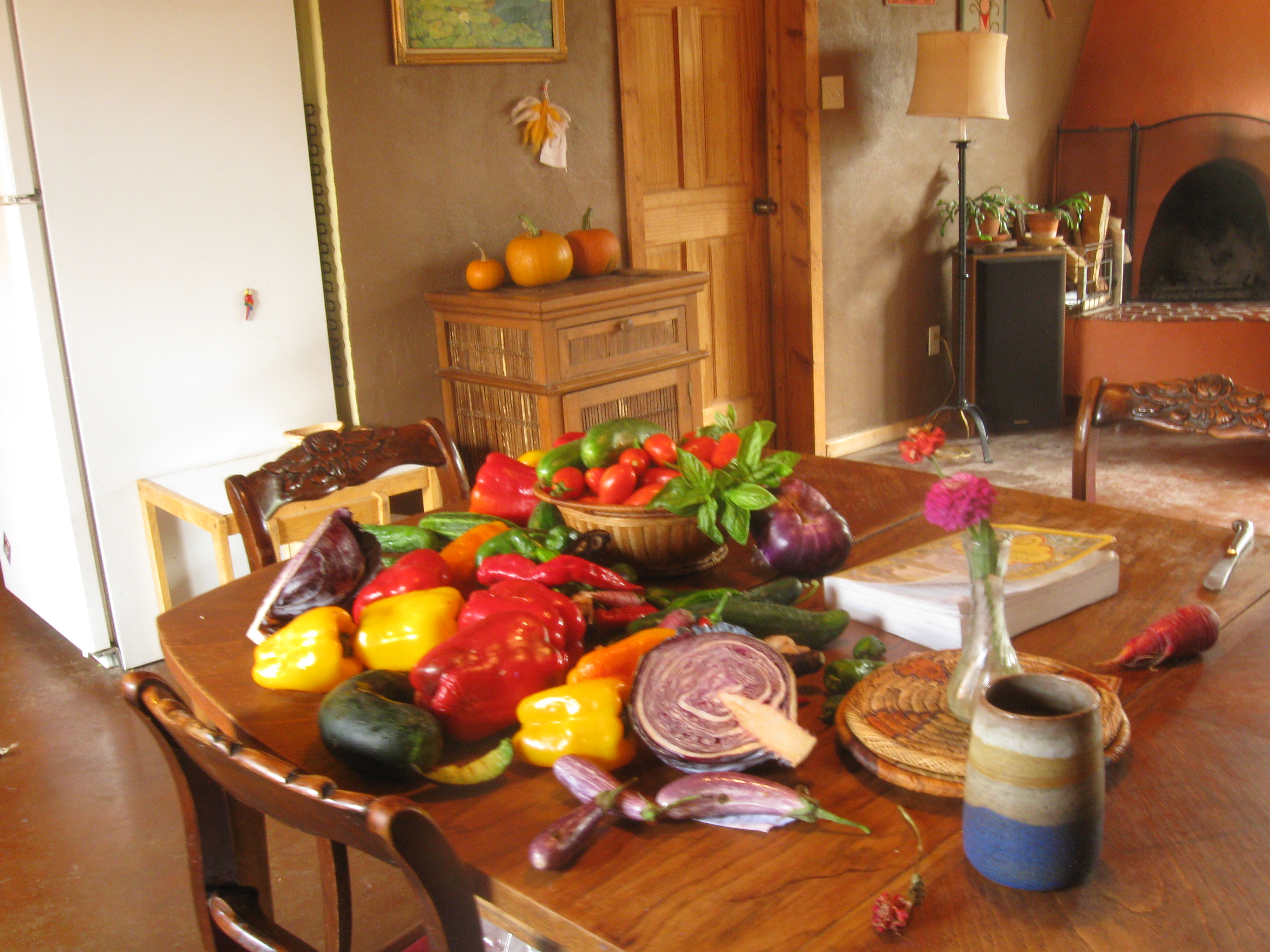
 I am in love with this kitchen; for it I came. My friend and I, joined by an occasional neighbor, by Mrs. Yoder, by my own mother, cook all the day long. The huge meals created on the wood burning cook stove are like a puzzle to put together. I wake in the night realizing just what the leftover pot of beans must become, how to stretch two chickens to feed twenty. Each meal a feast in its own right: braised lamb, baked beans, corn bread, salad, cole slaw, pies, cakes, cobblers. When we set the table for the midday meal, the construction crew of Buddhists, Sufis, Amish, and mystical Christians takes their seats. After the silent blessing, they eat, try to fathom one another.
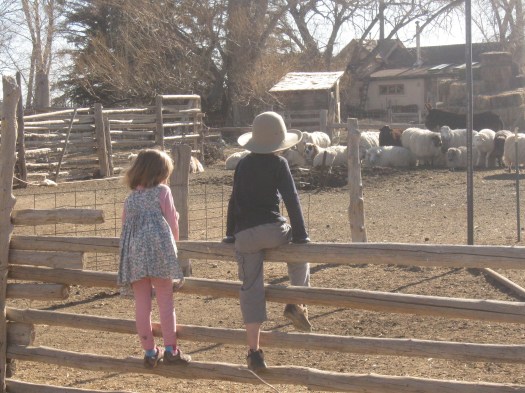 The kids make the rounds each morning on the farm, from cow to draft horses (Maida calls them Giraffe horses), 200 Churro sheep and lambs, wild turkeys, lamas and donkeys (who guard the flock when out on the pasture), and carefully keep tabs on the progress of the building. When they get to rub up close to the Amish children–the girls in their blue dresses and head scarves, the boys in their charming pants and suspenders–it is a bit like meeting a slew of storybook characters (Laura and Mary and Almanzo times many siblings). They are shy and curious and a little in awe. Which isn’t to say they don’t make us blush with embarrassment from time to time. For some reason, when everyone files in for lunch they leave their quiet, heart warming play to jump on those dusty chairs, make noise, and ask loudly “Why do all these guys have funny beards?”











 Kyce Bello
