The Best Thing Since…

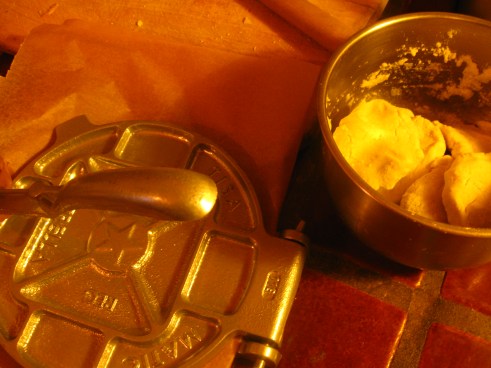
I’m thinking that whoever decided sliced bread was so great must have sold plastic bags. After all, why else praise an innovation that requires something as basic as bread to be kept in one? A much better thing to celebrate the greatness of, I’ve decided, is the tortilla press.

No, you don’t really need one. My friend makes corn tortillas by pressing them with a pyrex pie pan. But oh, are they heavenly. I’m quite taken with this one that my folks brought me from Mexico. I could have bought one down the road at the Mexican grocery, but am a bit wrapped up in my buy nothing new philosophy, which happily doesn’t exclude gifts.

It’s like magic, this amazing little maquina. Mix dough easy peasy, press the handle, put on the skillet, eat a bit of heaven. I used to think making corn tortillas was a chore. We eat a lot of bean and rice feasts around here, and the taco portion has been conspicuously absent for a while. No longer. Now I’ll make a few tortillas at lunchtime (without complaining!) and even in the morning when making E’s lunch. I will say that when I tried to make wheat tortillas with the press it didn’t work too well, and that I was a bit relieved that I still have good reason to wield my rolling pin regularly. Also, I should mention that tortilla presses come with a piece of plastic sheeting to press the dough between, so that it doesn’t stick to the press. At first I was opposed to using it, and used parchment paper instead. That worked fine, but isn’t as reusable or durable as the plastic, so I’m surrendering to the wisdom of countless Grandmother’s south of the border and just loving it instead of fighting it.

So I ask you, what’s your favorite device that brings a bit of ease and perfection to an otherwise handmade endeavor? This week, see if you can’t slip into casual conversation something like, “Oh wow, that’s the best thing since____(the food mill, apple slicer, etc) was invented.”

Waste Free Homeopathy

Part One in a Series on Waste Free Home Remedies*

We’ve had our share of routine winter ailments this winter, and relied heavily on the homeopathic remedies that always seem to help us through the rough patches of croup, snot, sore throats, etc. I was raised by a classical homeopath, but it wasn’t until being pregnant and tending a newborn that homeopathic remedies became my first response to acute ailments. I’m much more of a plant person–I love my  “mother tinctures” and assure you there’ll be much to say about the Green Allies soon enough. For now I just want to share what we do when our little bottles of potentized sugar balls run low.

When I left home, my mother, the homeopath, made sure I had one of these little remedy kits. Just in case of…almost anything. Some of these remedies I’ve never even opened, while others have been used a time or two, and still others get used up frequently. You never know what you’ll need, and it’s handy to be ready for the strange bout of stomach flu at midnight or the high fever or the wasp sting. If you are a regular user of homeopathics, a kit is a wise investment. For some it is simpler to just buy the needed remedies when they are called for–they are readily available these days (but often, you may have noticed, in plastic bottles) and inexpensive. Still, if you go through the remedies that work for you and your loved ones as quickly as we do, you might wonder if there is a way to refill the bottle rather than just tossing it and purchasing a new one. Indeed there is.
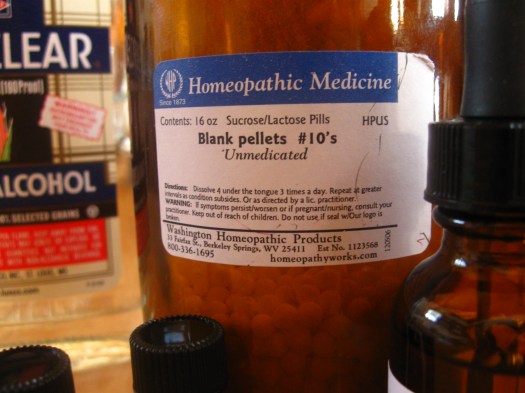
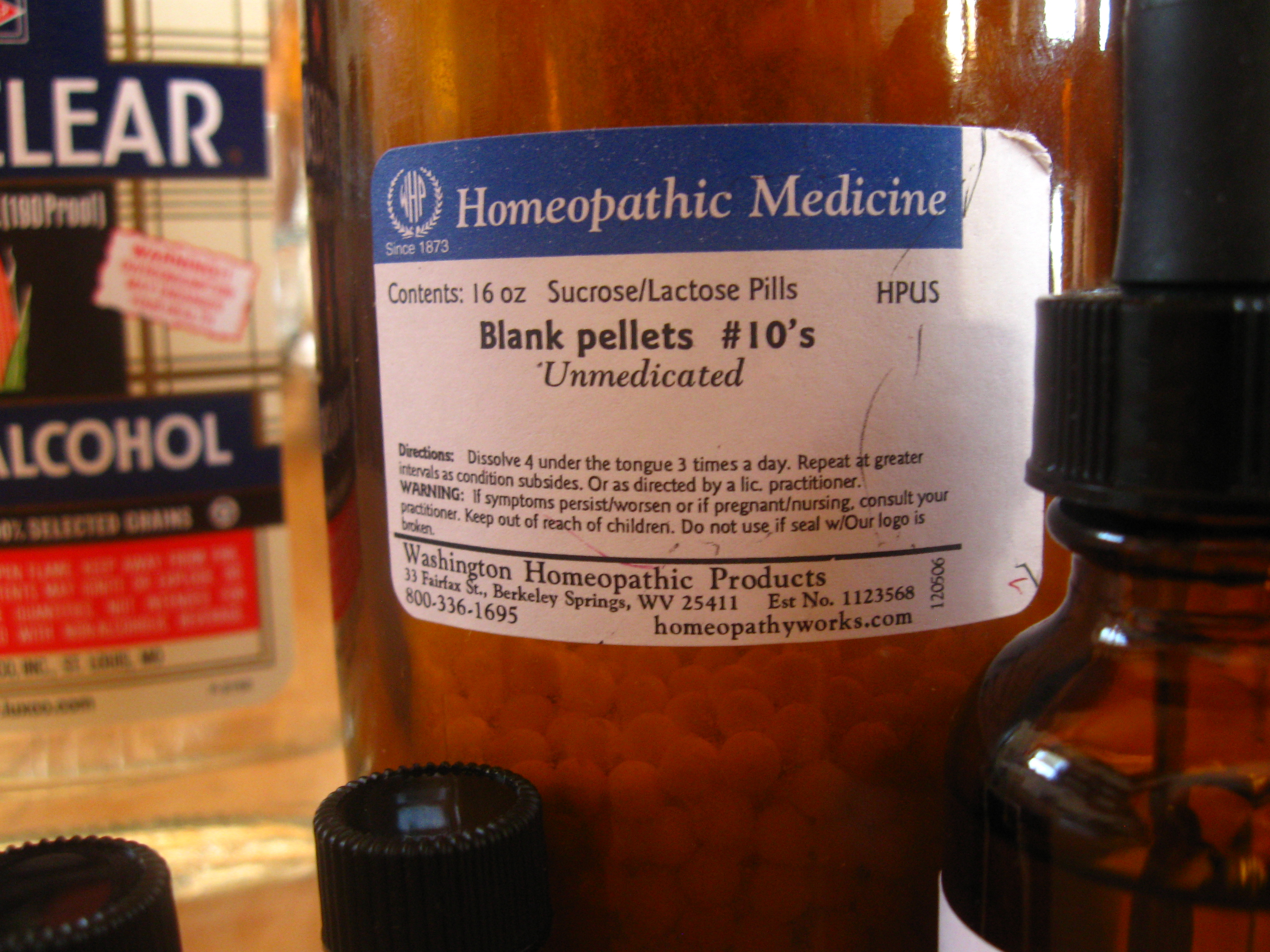
You see, homeopathic remedies are a bit like a sourdough culture or vinegar. Except they don’t smell. They have an essence that doesn’t go away, and can be transferred to new sugar balls, which are the carrier for the actual remedy. There are remedies (it is said) that have existed since the 1800s. Maybe even earlier. By adding to your medicine chest a bottle of “blanks” (plain sucrose pellets that can be purchased from homeopathic pharmacies) and a bit of grain alcohol, you are well on your way to keeping your family’s kit alive and well for a few more generations. Because the remedies were originally made using a dilution method and are composed of energy, one more dilution will not weaken them. Nor will it increase or alter the potency in any way. Note: this can only be done with remedies that are 12c or stronger (30c, 200c, etc.). It will not work with lower potency remedies (6c and 6x) because they contain material substance and aren’t pure energy.

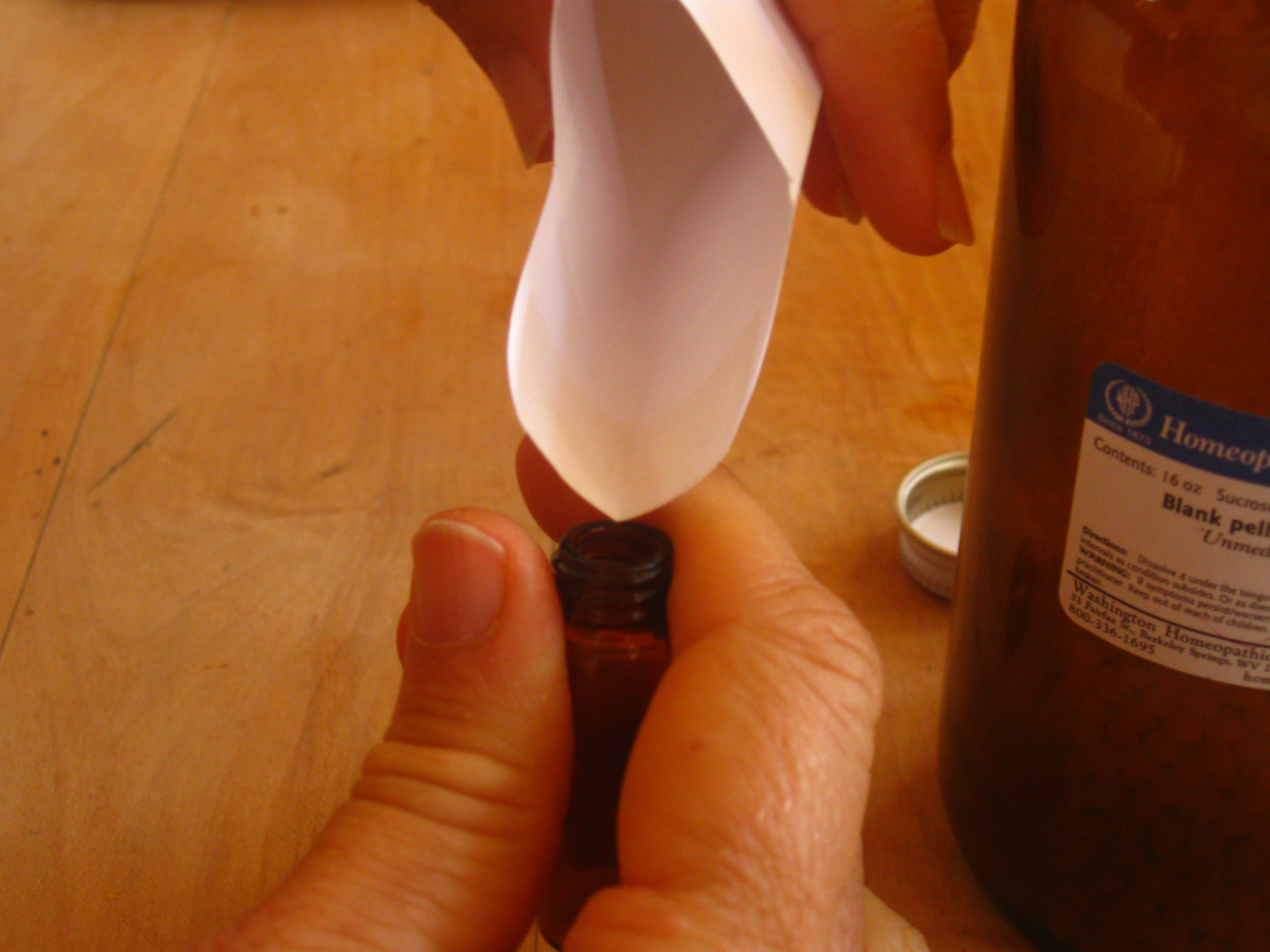
The process of transferring a remedy to blank pellets is called “grafting.” Here’s how it’s done: when your bottle of Pulsatilla or Belladonna or whatever it is you use most is about 3/4 empty, put in one or two drops of grain alcohol to wet the remaining balls. The alcohol is a carrier for the remedy, and will transfer it to the blank balls. Refill the bottle from your supply of blank sucrose pellets, leaving a bit of head room at the top. It’s okay if the new pellets are a different size than the old ones. Be careful not to let the blank supply bottle touch the remedy vial. A small envelope or piece of folded paper can work as a funnel. The last step is to shake the refilled bottle by hitting it against your palm a dozen times. This ensures that the blank pellets are coated with the remedy, and activates them.

That’s it!

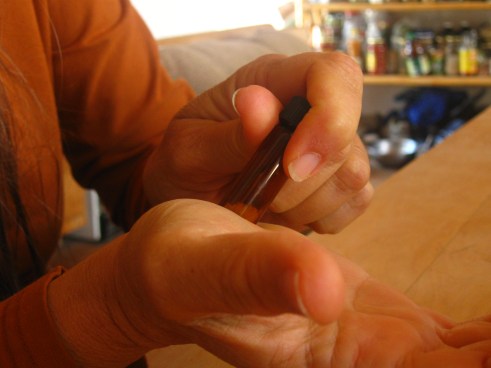
Another useful thing to know–when taking a remedy it’s not necessary to take the pellets directly under your tongue each time a dose is needed. Instead, place a “dose” into a 1/2 cup of water. A sip of this water then becomes a dose, and can be taken as needed. Not only does this  reduce the amount of remedy that gets used up with each round of sickness, it is considered a superior administration method by many homeopaths.
If you have questions or would like to learn more about homeopathy, please visit the FAQ page at my mom’s website, HomeopathiCare, or at the National Center for Homeopathy website. Both of these sites have recommendations on books and can help you find a homeopath to work with personally.

Two companies I recommend for kits, single remedies, and blank sucrose pellets are Washington Homeopathic Products, and Natural Health Supply.

This company sells organic grain alcohol and vodka, which I highly recommend you keep on hand for this purpose but also for making herbal tinctures. But that, my friends, is a post for another day.

::

* I just want to be perfectly clear that medicine should never be avoided because of packaging. If we need it, we get it, plastic fast or not. It is great when we can find alternatives and learn to be self reliant, but sometimes we just need that prescription or over the counter drug or the natural remedy in a little plastic bottle. Please take care of yourself and your loved ones as best you can, with whatever means are necessary. Wishing you much health!
Dark Nights, Getting Brighter

(Or, an update on last month’s small change–making room in our life to observe an eco-shabbat)


Take the day and give thanks–thanks for the work, the rush, the busy-ness and the gifts they bring.

(Life made rich and, truly, possible, by all that doing.)

Say thanks, and enough.

Mark the calendar with the evenings that are ours alone. Guard them as precious.

Let darkness fall unhampered. Full upon the home.

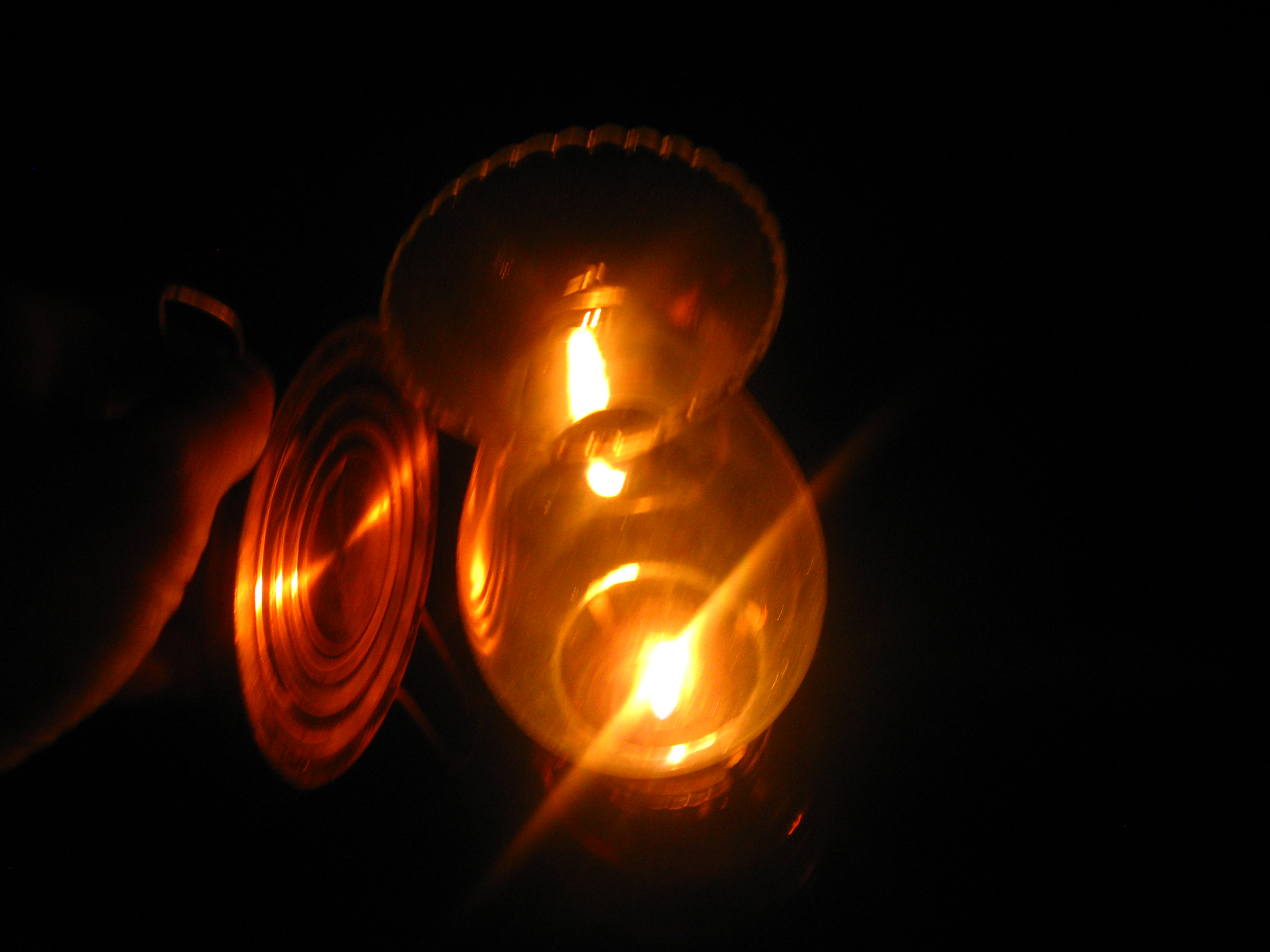
The heart –our dinner table!– lit by candles, oil lamps.

So much to say in that warm light

(Oh, my husband, how good it is to sit here with you, in the darkness that returns us easily to each other.

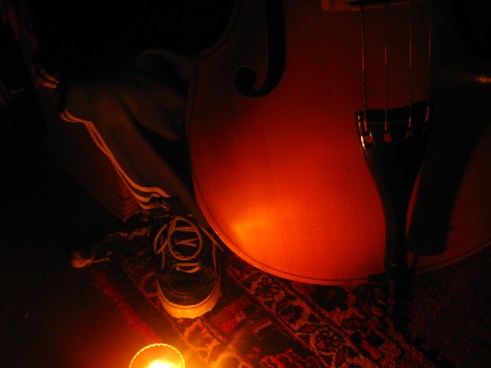
To ourselves. To the music we make.

To the love we discovered those many years ago in what could be another world,

but lives, renewed and fed by these quiet evenings.)

A night of watching the candles burn low, the oil run out, the wood turning to ash.

The source of our warmth and illumination no longer removed and intangible,

but here before us–solid and finite.

When the light goes, and the stars and moon come through,

and we find ourselves beneath the same night sky as our ancestors,

(My, the many dark nights we emerged from!)

we can take our time finding the words to that old, half-forgotten song.

Postcards from Mama and Papa’s House

In the home:

On the land:


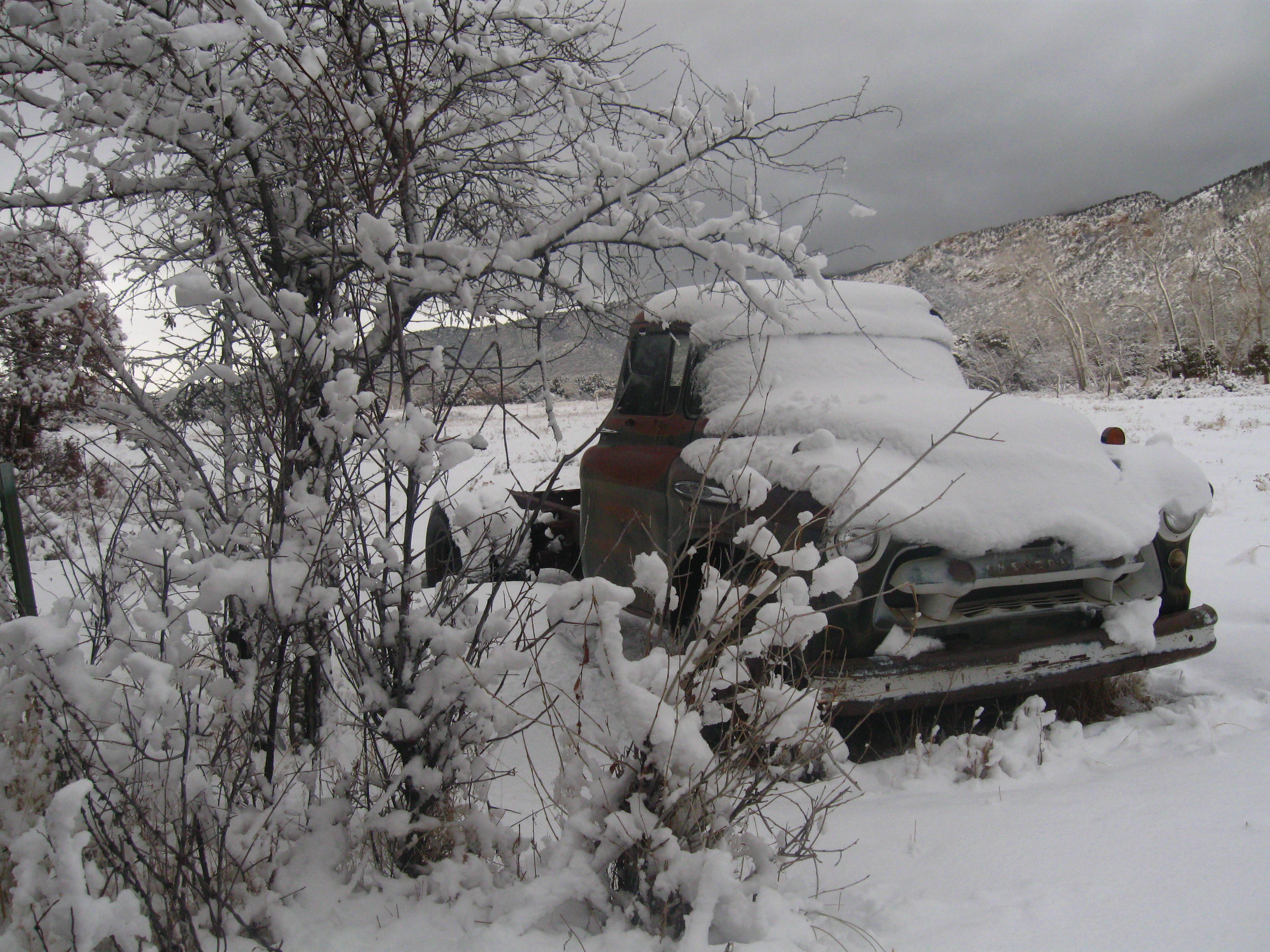
We took a little journey this week to my parent’s house. They live in paradise (a very long drive from everywhere, I might add). There’s magpies sailing through the big sky, generous storms, majillions of stars, the heart filling smell of sagebrush all around, and a landscape that has nourished our family for many good years.

In a few months my folks are taking a big step and moving to a house just down the road from us here in the big city. We’re so excited to have them closer. I mean, how wonderful is that pastel/water color board my mama turned her coffee table into for Cora? It is exciting to have our family coming together at a time when it will mean so much to Cora. To all of us. Still, I can’t help but be a little bit sad to lose regular contact with the other member of our family, this beautiful land that we all love so well.

There are many landscapes I love and consider a part of me. But this one is so wrapped up with my identity, my experience “coming of age,” that it will always be sacred to me. Like family, the land we love runs through our veins and memories. It lives in our stories, and is the link between our future and past. It sustains us as surely as any kind of love.

One More Small Change: Walkabout

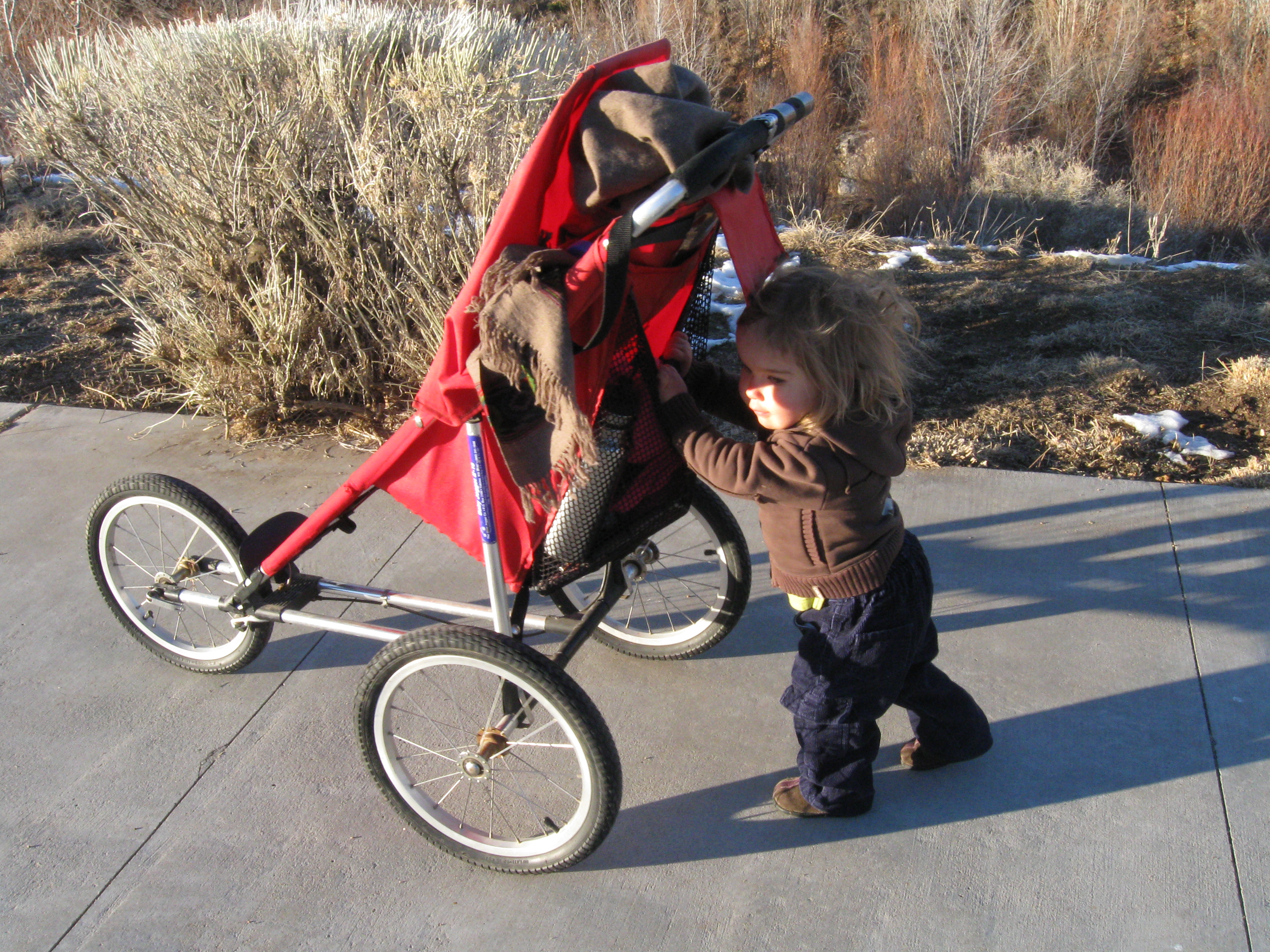
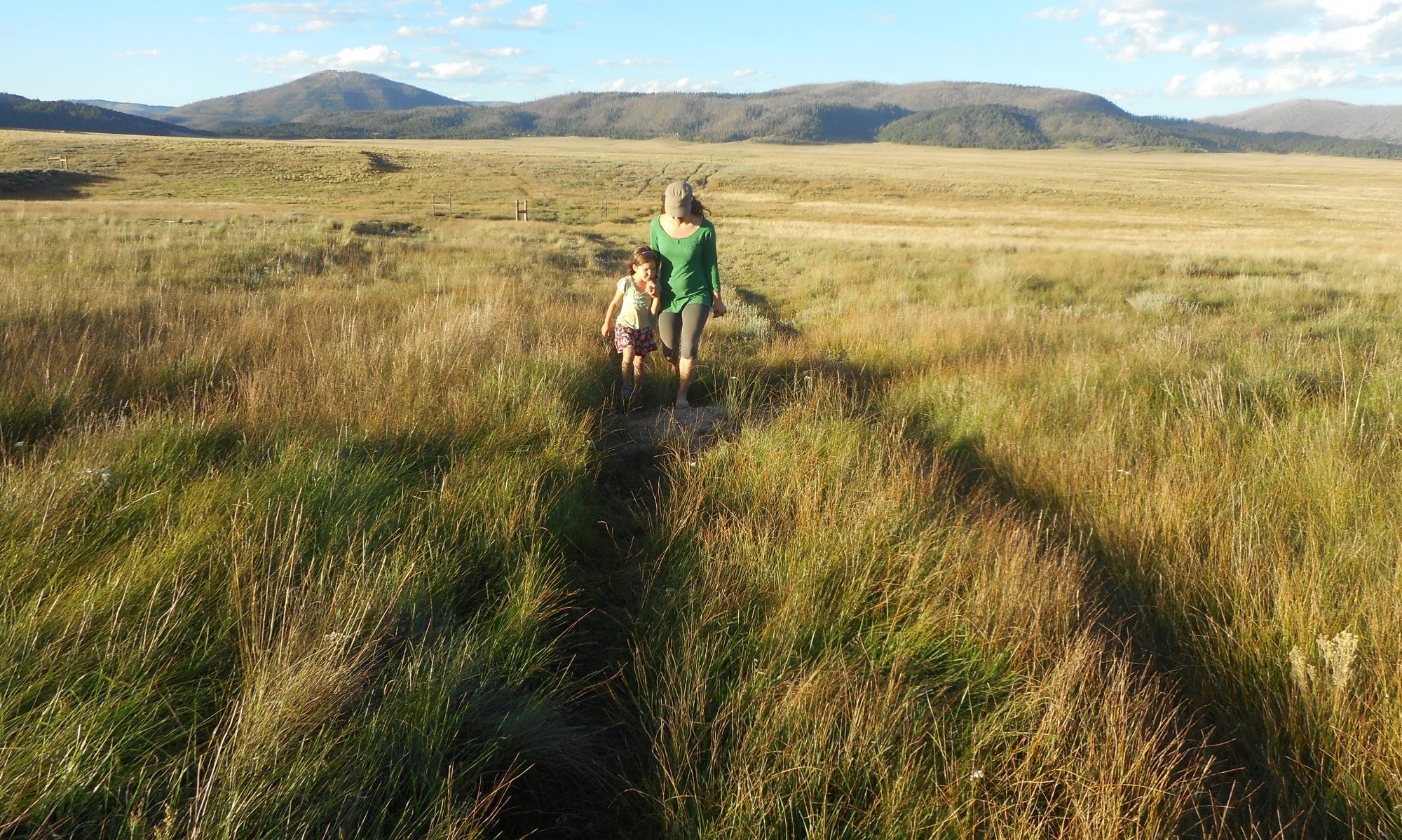
Sometimes my walkabout view looks like this, and we get to cruising at a nice fast clip, getting all sorts of things done.

Other times my view is more like this. And I realize there really wasn’t anywhere we needed to go, after all.

My goal for this month’s change is to keep the car parked. Not always. We won’t miss playgroup. We’ll keep driving to the mountains whenever possible. Inevitably I’ll make at least one big trip to the grocery store with the car. But I do want to cut back and see how life opens up when I don’t just pop into the car all the time.

Here’s the plan: If it’s within a mile and a half of home, I’ll walk. If it’s farther afield, I’ll try to find a closer alternative, shrinking my orbit when possible. And when I want to go farther than I can walk, I’d like to take the bus. For a variety of reasons (it’s super lame, being the main one) I’ve only taken public transportation once in ten years of living in this town. But life has changed a great deal for me since that ill-fated outing. And if a stay-at-home mama with a little one enamored with busses can’t make it work, who can?

I have already noticed how this requires a whole new relationship to going out and getting things done. Often it means doing much less, not letting too many errands build up, making fewer stops, and sometimes just not getting things done with my usual efficiency. But since having a child, this is what I’ve been doing, anyways.

The last piece of the puzzle is to get the baby seat on my bike instead of E’s, and actually learn to comfortably and safely ride with a passenger and panniers so that me and my little compañera can get our bliss on all over town.

A new month, another new beginning. How are your small changes going?

Thanks to the Turning Wheel

That wheel is turning, oh yes it is.

With thanks to warmth and sunshine,

kindness and friendship, and the open hearted joy of it all.

So sensual and lovely, it’s as if I’m the one thawing out!

Before the Blossoms

I think I might have discovered that happiest of mediums that March is all about.

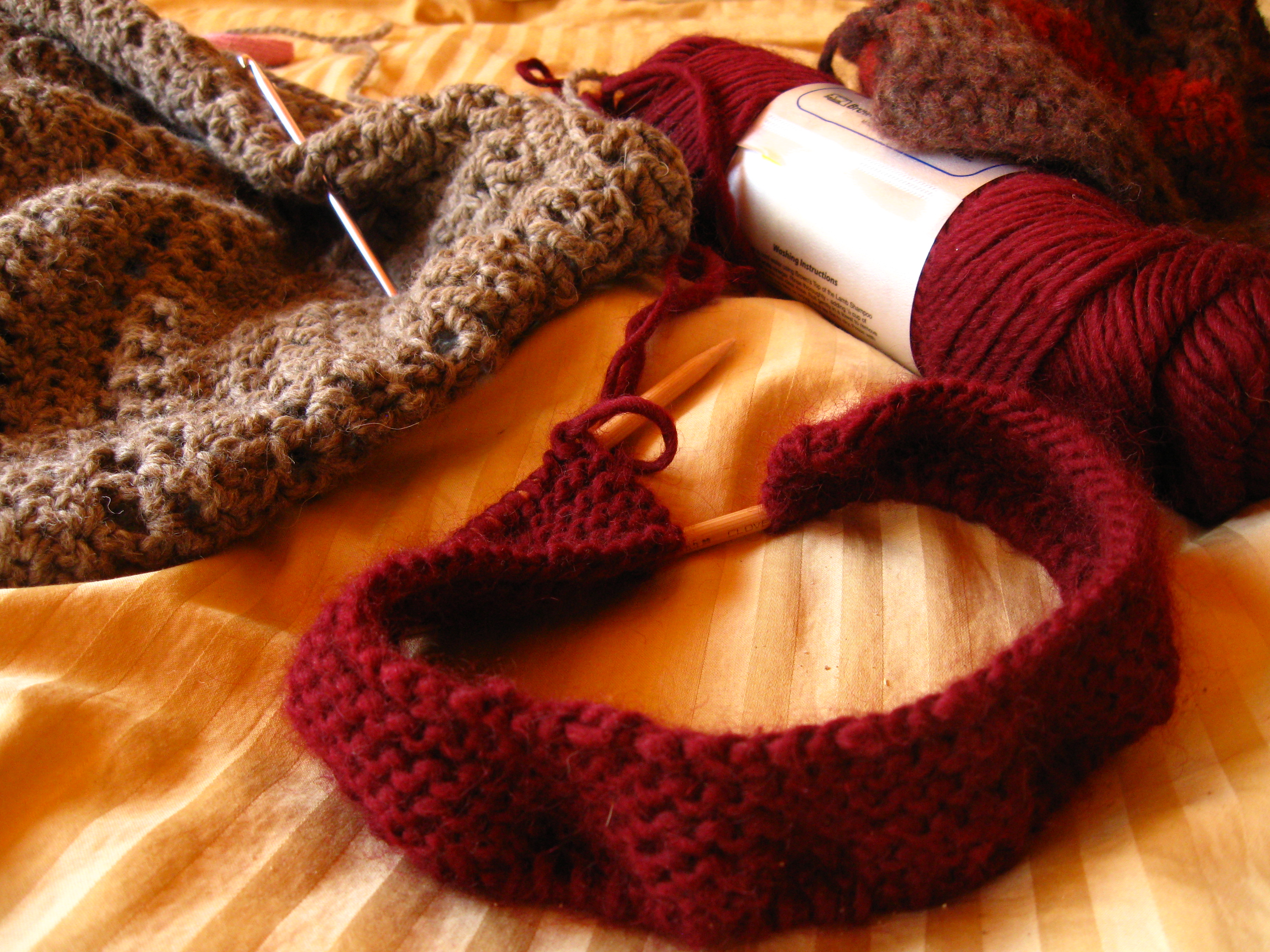
Time enough to finish the sweaters and wraps while it’s still cold enough to want to.

(Come on spring storms, show me what you got — I need all the time I can get to finish that red one!)

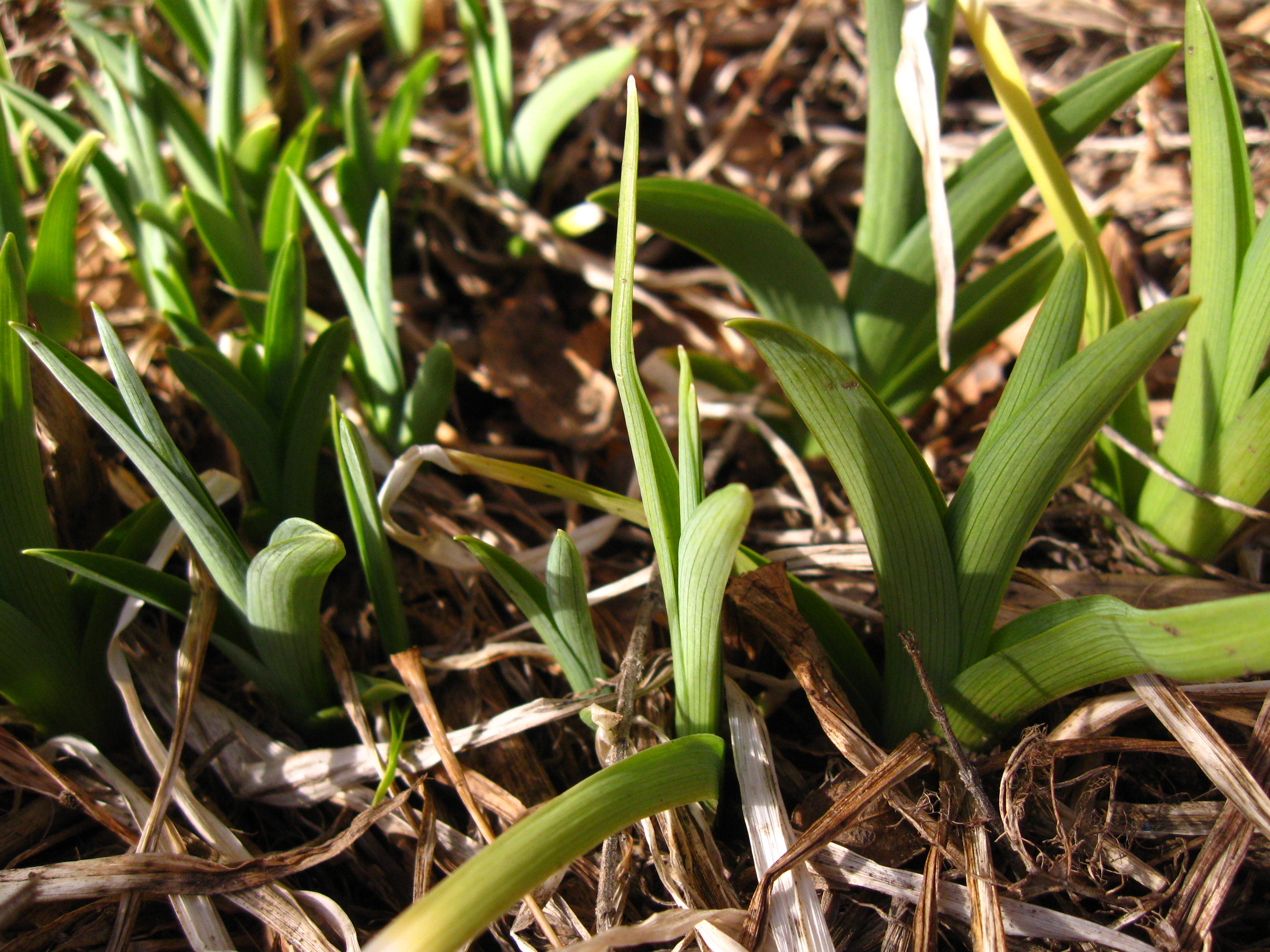
With the blessed return of bees and birdsong and bursting little shoots in the garden saying,

fear not, woman, we’re almost there.

Which is good, because storms or not, I’m planting peas in just two more weeks.

And that’s the beauty of March.


Change of Heart

(photo by E.)

Again and again this is my fear: not so much of our being judged in the future as having been the last generation to possess the potential and the possibility–even if hugely diminished by the trajectory, momentum, and infrastructure of all the generations that preceded ours–to effect change of the most profound kind: not a change in knowledge, but in entire systems of logic, or even further, changes within the heart.

–Rick Bass

A change of heart or of values without a practice is only another pointless luxury of a passively consumptive way of life.

–Wendell Berry

When people ask me why we are taking this plastic fast, the easiest answers to articulate are the surface things. There’s our concern about the pollution associated with plastic manufacturing, the ocean’s plastic soup, the ramifications of a disposable consumer society, and the risks posed by plastics to human and environmental health.

But the truth is, I’m not doing this because of my concern about hormone disruptors leaching from the linings of tin cans (though I still think this is a good reason to avoid plastics, hormone disruptors are, sadly, so prevalent as to be unavoidable). It’s not because I think forgoing tortillas in plastic bags will save the lives of a marine turtle (my concern about the gyres is very real, but my contribution to it from New Mexico, where our rivers hardly make it out of town, let alone all the way to the sea, is negligible.) I am concerned about our plastic filled landfills contaminating ground water, but when we have plutonium waste up and down the other side of the watershed, it seems a bit nitpicky. So why plastic? Why bother?

Until I read the lines quoted above, it wasn’t easy for me to articulate the real reason behind our plastic fast. But it’s simple: We had a change of heart. Which changed our lives.

Yes, certainly — of course — we are undertaking this action as a symbolic protest and act of solidarity with the earth. But, as one of my pragmatic friends pointed out, plastic is not really the problem.

We are.

The reason we are doing this is because it was time to do something. Something more than we ever had before. Something we didn’t think was possible. Something that reflected our desire to live with less convenience and more intention. As in, intention that our grandkids will know we started waking up, and started changing our ways. Even in symbolic ways. Or especially in symbolic ways.

I know it is enormously overwhelming when we start thinking of all the things we think we should be doing, that we want to do. Where to begin? Where to end? (Is there an end point?) For us, plastic was the starting place. It could have been anything, really. But it was this. A small, simple action that nevertheless felt like a powerful way to change our lives. And it has, friends. It has.

There are hundreds of ways to kneel and kiss the ground, Rumi said. Same goes for living more lightly. All we need to do is touch our hearts, and begin.

February Reckoning

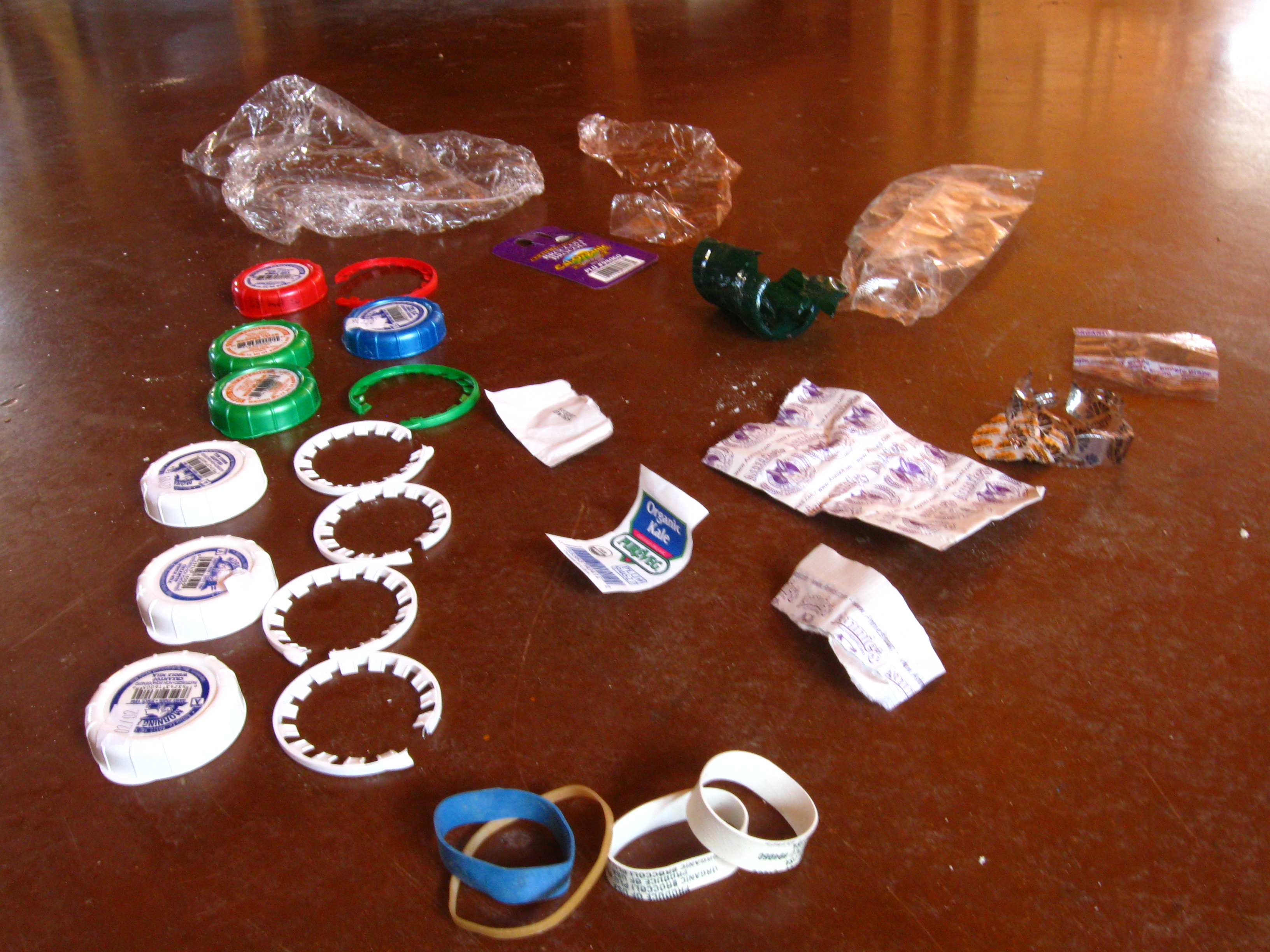
Goodness, is it already time to tally up our monthly accrual of plastic waste again?

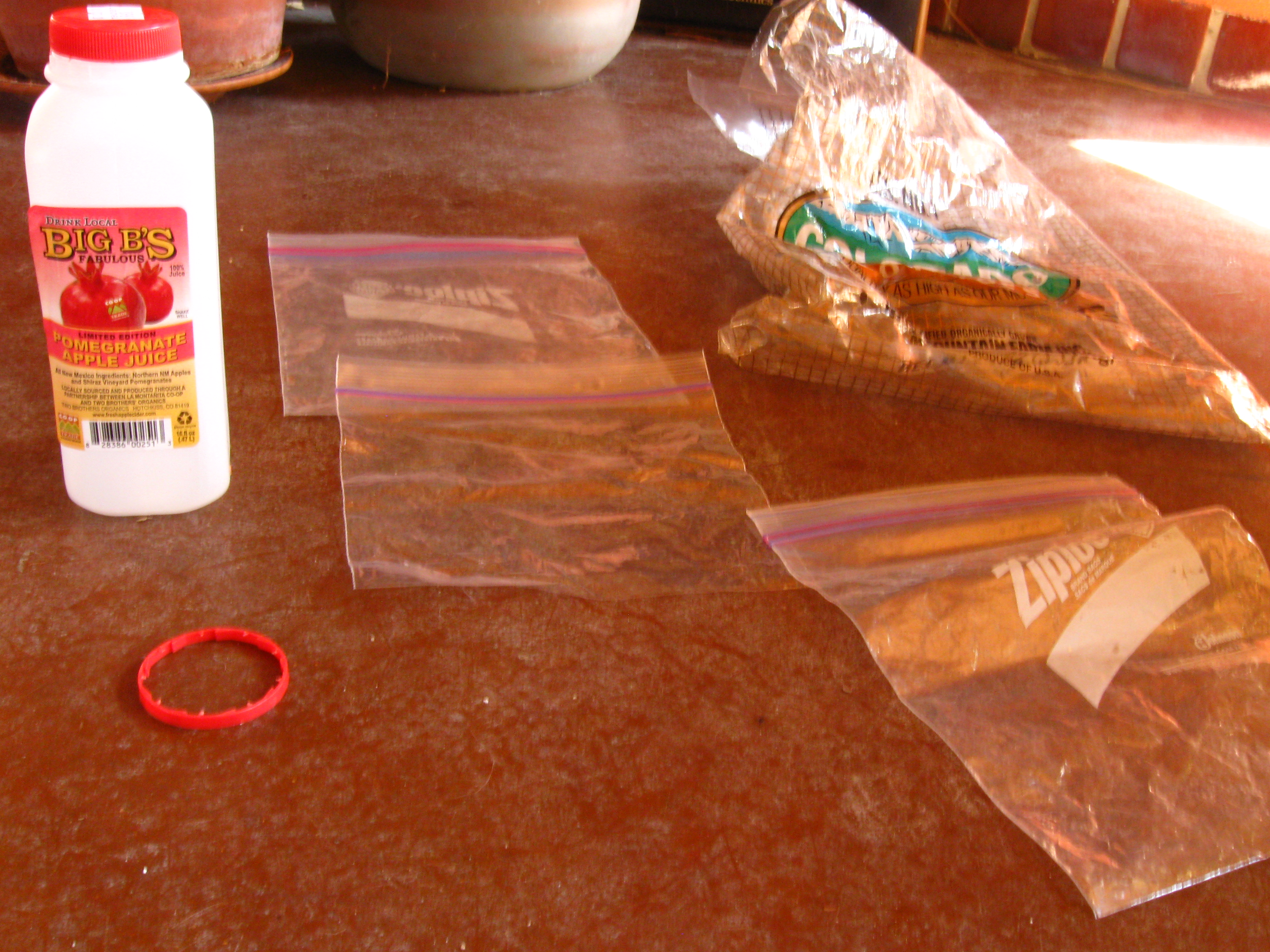
More milk caps, a lollypop wrapper, a plastic lined macaroni and cheese packet, some wrapping from something or other, rubber bands and plastic tags from produce (you can safely bet that there were a few more of these that got swept away during dinner cleanup).

Now is as good a time as any to bring up the butcher paper quandary. It’s surely plastic lined. We’re eating a lot less meat these days, but still, it’s not something we’re ready to give up completely (and no store will let me bring home raw meat in my own container). So that’s one area where I’m compromising. You don’t see that here because saving paper with raw meat juice on it would be a health hazard.

One other slip I had this month was buying fresh local lamb at the farmer’s market before I realized it came in a plastic vacuum sealed bag. Did I already tell you about that? It was a bummer.

Other than that, and the mail ordered yarn with plastic labels (it was wholesale!),  we seem to be doing well.

Now this pile is from our CSA. It has been an ongoing challenge for me to find ways to make the CSA experience a waste free one. This winter our CSA, which we otherwise love, has gone a little plastic bag crazy, pre-bagging just about everything. I end up carefully emptying the food from it’s plastic bags and putting it into my cloth ones. The plastic ones I give back, but sometimes they aren’t reusable–torn or dirty. Yes, it’s wasteful-ish. But I want to make the point that this is unwanted. The plastic shown in this picture is from things I couldn’t do that with — they had frozen veggies or fruit in them. I could have turned the food down, but I’d already paid for them and it’s a strange grey area for me. Would you say no to pomegranate apple juice with your name on it? On the bright side, a CSA is a great place to actually have an influence about changing wasteful practices. My voice has been heard and they are slowly making changes. And the benefits of the local, seasonal fare are worth fighting for. Besides, each of those baggies will get re-used about a hundred times around here, so they aren’t really trash yet.

Please note: This doesn’t represent all the plastic we threw out this month, only new items we purchased post 1/1/10 and have already used up. Not included are pre 2010 yogurt containers used to freeze food, many times re-used bread and produce bags that are just too funky to keep around, toothpaste caps, and other things from our pre-fast days that are just now leaving the home. Also not included are things given to us by friends–if someone brings a pint of fresh olives or a bag of chips to the house, we follow No Impact Man’s lead and enjoy the generous gesture and camaraderie, and take a break from tallying.