Rolling Rotis

I’ve been making tortillas/chapatis pretty regularly these days. More than anything else I cook, this recipe seems to fill my kitchen with helpful, if opinionated, spirits.

Here is what they say:

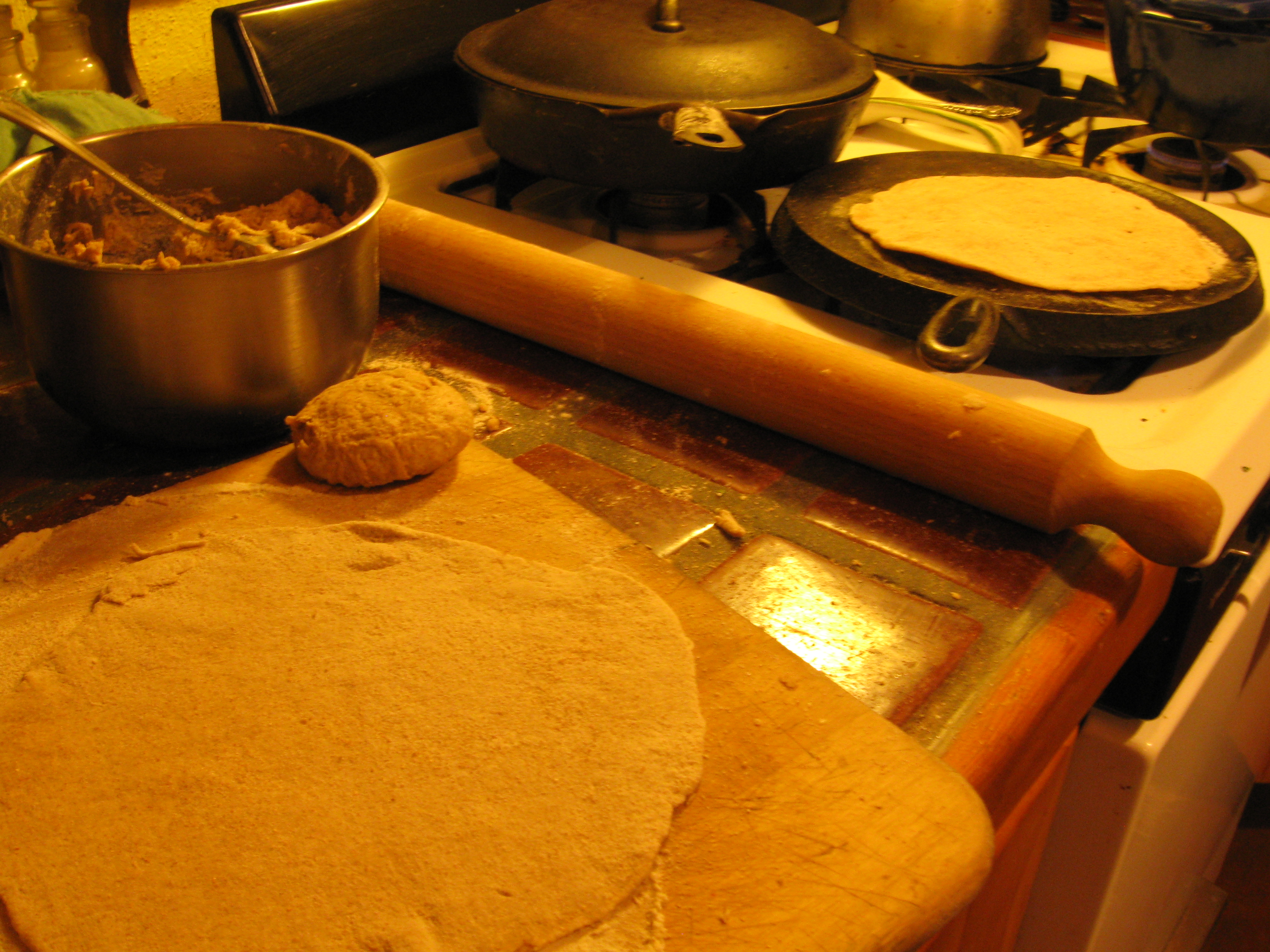
Mix flour, salt. Plenty of water makes for easy rolling.

A palmful of dough between the hands. Move it in slow circles.

I don’t know why, only that this is the way.

Reminds you of what a circle feels like

between two flour-dusted hands, maybe.

Activates gluten, maybe.

Ah, see. And you thought you knew what a circle was.

No matter. Good enough.

Lay them like chickadees in a neat row, covered with a cloth.

Or make your balls quick one at a time, rolling it out just seconds before laying it on the hot pan.

Careful of fingers on the skillet!

No. No spatulas. Are you a woman or a mouse?

Better to cook them too little than too much.

Keeps them soft, that’s why. I know they’re a bit raw. What do you want, a cracker?

When you flip it, take that dishcloth and push down on the tortillas.

Push! I thought you’d given birth, but this is how you push?

Makes the tortilla light, and airy. Airier, at least.

Simple. Salt, flour, water. Round ball, rolled ball. Hot skillet. Flip. Push! Done.

Two Songs and a Poem from Haiti

The aftershocks of death and collapse in Port-au-Prince have filled our hearts with the heaviness of what Haitian writer Edwidge Danticat calls the “layers of tragedy” – political and natural – that blanket the country. By now we have taken in the images of a grief stricken and devastated nation. We have heard about Haiti’s poverty and, hopefully, its history of exploitation by colonial powers (the root of that poverty).

I want to add to this outpouring some offerings of the life and vibrance of Haiti. Let our prayers be filled with the beauty Haiti has given the world from its “empty” coffers.

This song is ever so lovely, and this one conveys a bit of the Haitian experyans.

This poem is by the Haitian writer, Felix Morisseau-Leroy. Women’s Voices for Change writes, “read now, the poem stands as a caution to those who might try to generalize about those whose lives have been upended by the earthquake.”

Boat People

We are all in a drowning boat
Happened before at St. Domingue
We are the ones called boat people

We all died long ago
What else can frighten us
?
Let them call us boat people

We fight a long time with poverty
On our islands, the sea, everywhere
We never say we are not boat people

In Africa they chased us with dogs
Chained our feet, piled us on
Who then called us boat people?

Half the cargo perished
The rest sold at Bossal Market
It’s them who call us boat people

We stamp our feet down, the earth shakes
Up to Louisiana, down to Venezuela
Who would come and call us boat people?

A bad season in our country
The hungry dog eats thorns
They didn’t call us boat people yet

We looked for jobs and freedom
And they piled us on again: Cargo—Direct to Miami
They start to call us boat people

We run from the rain at Fort Dimanche
But land in the river at the Krome
Detention Center
It’s them who call us boat people

Miami heat eats away our hearts
Chicago cold explodes our stomach
Boat people boat people boat people

Except for the Indians—
What American didn’t get here somehow
But they only want to call us boat people

We don’t bring drugs in our bags
But courage and strength to work
Boat people—Yes, that’s all right, boat people

We don’t come to make trouble
We come with all respect
It’s them who call us boat people

We have no need to yell or scream
But all boat people are equal, the same
All boat people are boat people

One day we’ll stand up, put down our feet
As we did at St. Domingue
They’ll know who these boat people really are

That day, be it Christopher Columbus
Or Henry Kissinger—
They will know
us
We who simply call ourselves
People

::

Still with me? Feeling political? Check out this list of

ten things the U.S. can and should do for Haiti.

And Thank You Dr. Martin Luther King! May we ever and always strive to fulfill your vision.
Evening Walk

IMG_0011

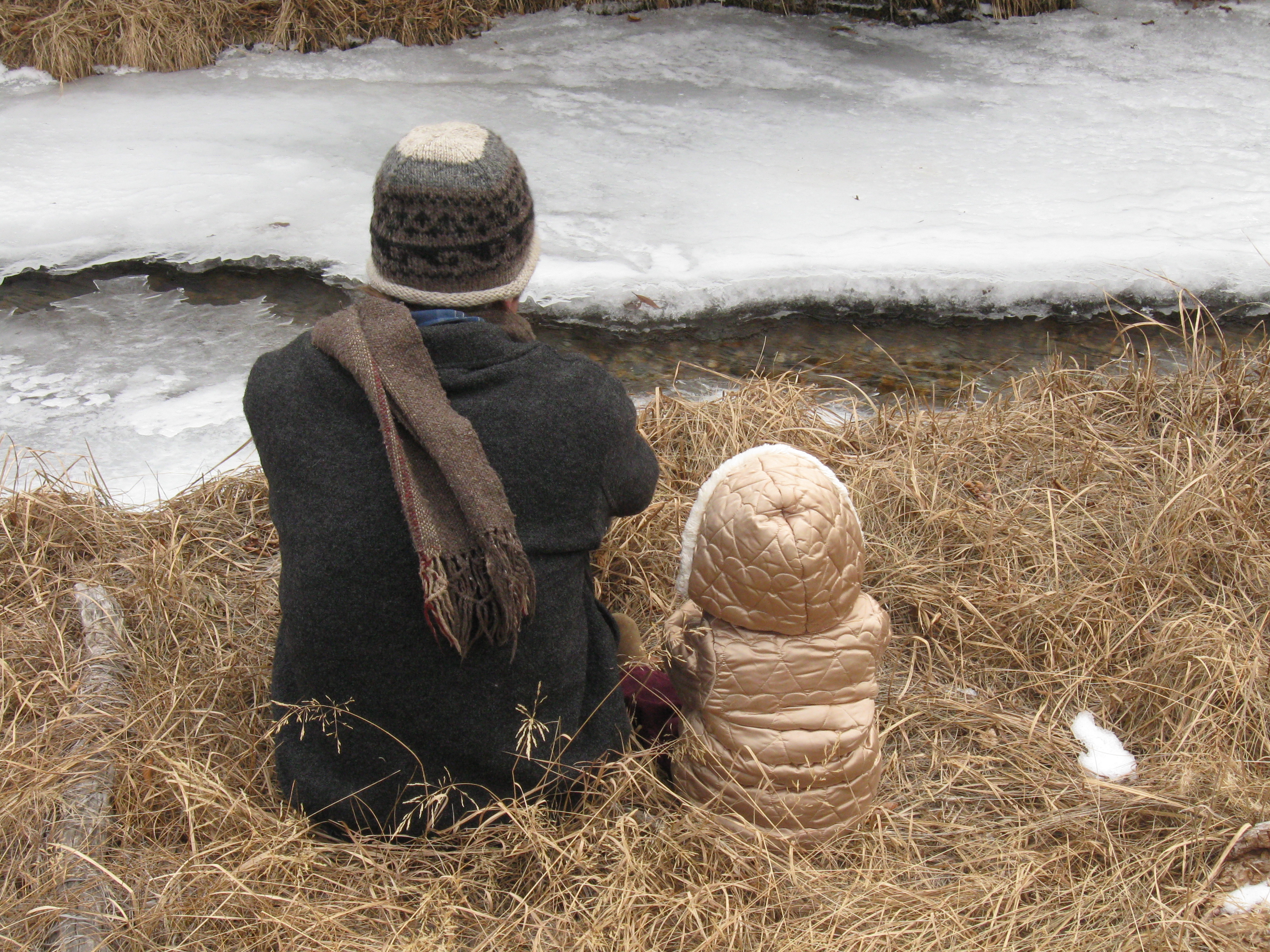
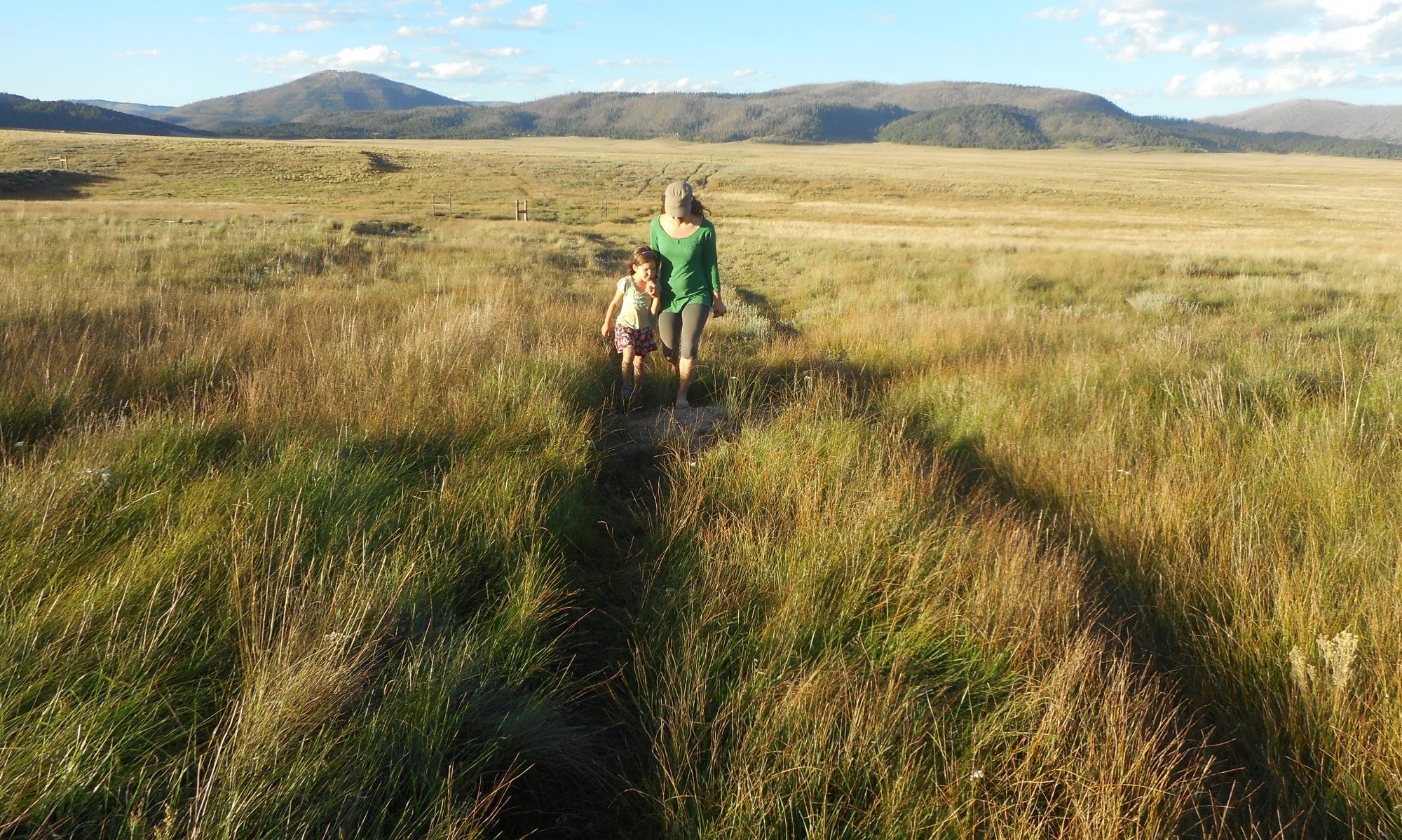
We take the slow route up the ridge

through the sparse clumps of dried grass, over rocks rouged by twilight.

At the top, instead of continuing on, looping down and around

in constant motion as if this were the only way

to ensure the next moment’s arrival,

we pause.

Stillness so seldom left to ripen on its branch

and fall of its own free will.

We sit on the bare spine of earth,

coyotes singing yip yi yi yi yiiii

as the horizon rises towards night.

IMG_0008

Recipe for Mid-Winter Tea

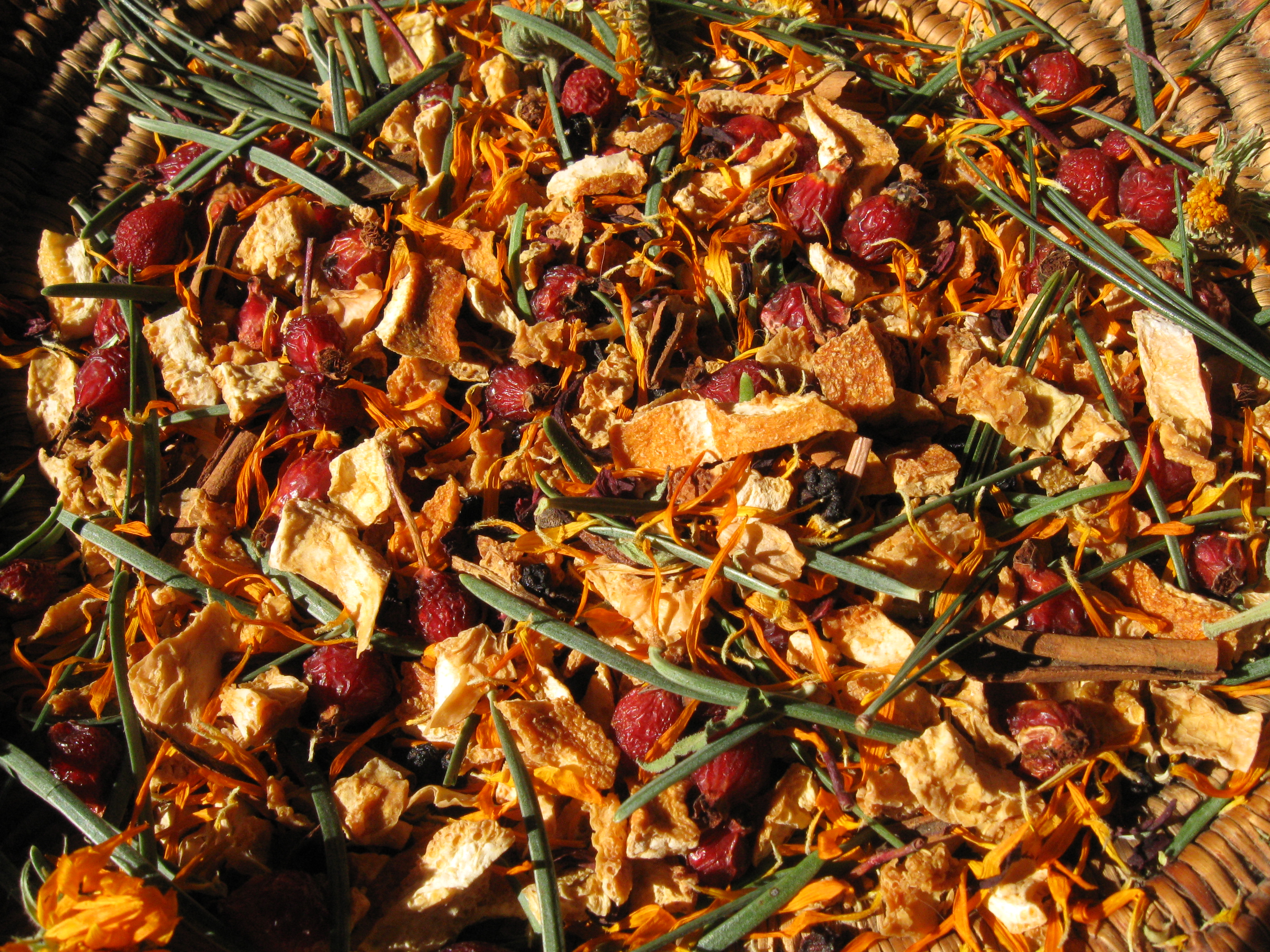
Mix what you have, what warms your spirit,

what feels true to the season.

I had:

Rosehips

Elderberries

Orange peel

Cinnamon

Calendula flowers

Pine needles

Mmmm.

A Proper Tea is much nicer than a Very Nearly Tea, which is one you forget about afterwards.  ~A.A. Milne

Live and Learn

Our experiment in living without new plastic has been going swimmingly,

but what would it be without a few lessons along the way?

Such as, don’t assume ones favorite restaurant has eco friendly to-go-ware.

I felt sick bringing home all this styrofoam with leftovers from a rare dinner out. Ever practical and searching for meaning, I looked for the lesson in the disaster. Apparently this week’s take home message is something along the lines of Always Be Prepared. Or maybe it’s to get out of the house more often.

I’ve trained myself to always have canvas bags filled with an assortment of small muslin sacks, a couple jars, and a plastic squeeze bottle at the ready in the back of the Suby when I’m out and about. To that stash I’ve added a tiffin for situations like the one above. For good measure my purse now houses a set of silverware wrapped in a napkin. Some folks even carry a glass drinking straw, but I can’t imagine what would happen if my Favorite Pickpocket got ahold of that. Oh, and if you’re in the market for a new one, a mason jar with a sock cozy makes a splendid travel mug.

Our ways are changing, slowly but surely, and it’s encouraging to see the new ways taking hold. The experience of accepting food in styrofoam felt like a threshold moment, right on the brink between who we’ve been and who we are becoming. My hope is that it never happens again, but in the meantime it offered a reminder that lest we get too smug about our good deeds, there are many more habits from a lifetime of careless complacency waiting to be cracked open and remade.

Whoa

So here’s what I’ve been wondering:

If I’ve always taken for granted

that disposable plastic is necessary for life

and am now discovering that this isn’t the case at all,

what else have I believed

that isn’t true?

Drying Out

There are days when I wonder why we even bother trying to live in a way that produces less waste. Does it really matter, I sometimes ask myself, if I don’t buy the bag of chips or the new hair clip or whatever else it is I want so badly? Almost everything in our culture – from the aisles lined with spiffily packaged food to the promise of the American Dream – tells me that the answer is no. In fact, there are days when not buying my kid crackers seems downright ridiculous.

But more and more, what’s absurd isn’t my cart of rye flour and raisins in muslin bags. What’s absurd are those bursting aisles of boxes and bags and cans and jars that seem less like a source of sustenance and more like a clean and well lit landfill. I don’t see the food anymore, just the waste.

The rushing river of consumerism moves so quickly, with so much force, that when we are caught in it, it is almost impossible to tell how carried away we’ve become. Without making this commitment to living without plastic for even a few months, it would have been close to impossible for me to sit on the banks, watching all the cool stuff get swept by.

I feel, sometimes, like one of the addicts I used to nurse at the hospital. Just as I start drying out from that rushing river you might call Modern Consumer Culture, I start asking what’s one small hit/bag of chips going to do? I’m ready to jump back into the current, to get swept away again.

Because of that vow, I am discovering ways to drown out the all-pervasive voice of culture and advertising and a whole lifetime of pretty much getting what I want. And I look at that bag of chips and ask two new questions: How was the earth harmed to make this? How will the earth be harmed when I throw it away?

I can’t always articulate an answer, but the gist of it steers me back to the bulk food aisle, or home to do some knitting, or for a walk on the land. Like any addict, I sometimes ask the higher power for help. The moment passes. And I feel relieved to be sitting out the deluge, drying out little by little.

Prayer

May this (and every) small act

build in my heart and spill forth,

transforming my hands and mind

into tools of service.

May it grow

like the dry river in springtime,

fed by waters that can no longer be contained.

Let it begin humbly

and become strong.

May it lead to more and larger acts,

until this good work is done.

The night still,

the moon rising.

Good Hair (for the earth)

So, here’s One Small Change I’ll be making this month (see yesterday’s post for details): I’m going to stop using commercial shampoo and conditioner. See, small! I’ve been buying shampoo in bulk for a while, but am too cheap to buy the really pure, really expensive kind. I did a little research at this site that does cosmetic safety reviews, and my “natural” shampoo rated a 6 out of 10, i.e. moderately toxic. Yuck. There’s a child in the house and I’m still using parabens? Double yuck. What’s bad for us is doubtlessly bad for the earth. Between the petroleum and chemicals that go into making most body care products, even so called organic ones, I know this is one area where I can do better.

Now, perhaps you are looking carefully at this picture and thinking, girl, good luck cause your hair’s a mess. All I’m saying is maybe we’d been camping for a while, or maybe this was my baking soda shampoo phase. Who can remember. Either way, I’m sure there’s an explanation. Moving on to the next level of DIY body care, I mixed up a batch of this shampoo from Rosemary Gladstar’s book Herbs for Natural Beauty:

8 oz strong herbal tea.

3 oz liquid castile soap.

1/4 tsp jojoba oil

ten drops essential oil.

For the tea I used rosemary and yerba de la negrita, a local plant renowned as a hair rinse. Nettles or a mallow family plant would also be great. If I was fair haired I might have used chamomile instead of rosemary. The results, so far, are heavenly. My hair feels clean and light, while retaining the natural oils most shampoo strips away. For conditioner I use a blend of 3 Tbsp apple cider vinegar in 3 cups water. The vinegar smell washes out completely, and the results are, again, surprisingly wonderful and nourishing.

Like many of the small and large changes we’ve been making these days, what at first seems like a sacrifice ends up feeling like an indulgence. Which is the beauty of all these changes. We are making them for the earth, yes, but also for ourselves, our families, and our communities. Which is really all one and the same, no?

Update 2011: Just wanted to add that this is still going, and that what I found worked best in the end was using a baking soda rinse (3 tbsp baking soda mixed with a pint or so of water), then the castile shampoo, then the vinegar rinse.