Of course it begins with a boiling cauldron of dark, mysterious liquid. Two cauldrons, actually. It begins with an hour of stirring, and a daughter beside me, saying, “I can feel your tension radiating off you like the steam from this pot,” as we stir and stir fabric in its vat.
What, me tense?
My brilliant idea: to dye twenty long cheesecloths needed for a special event this weekend the perfect shade of green, a green unavailable commercially, at least for the price I was willing to pay. But O foibles, O disasters, O ticking clock and last minute drives back across town to try and salvage the failures, O worldly mess we try to rise above and find ourselves mired in, deeper than ever!
What choice had I but to succumb, surrender, and let the daughter stir both pots on her own, quietly, meditatively, quite happily?
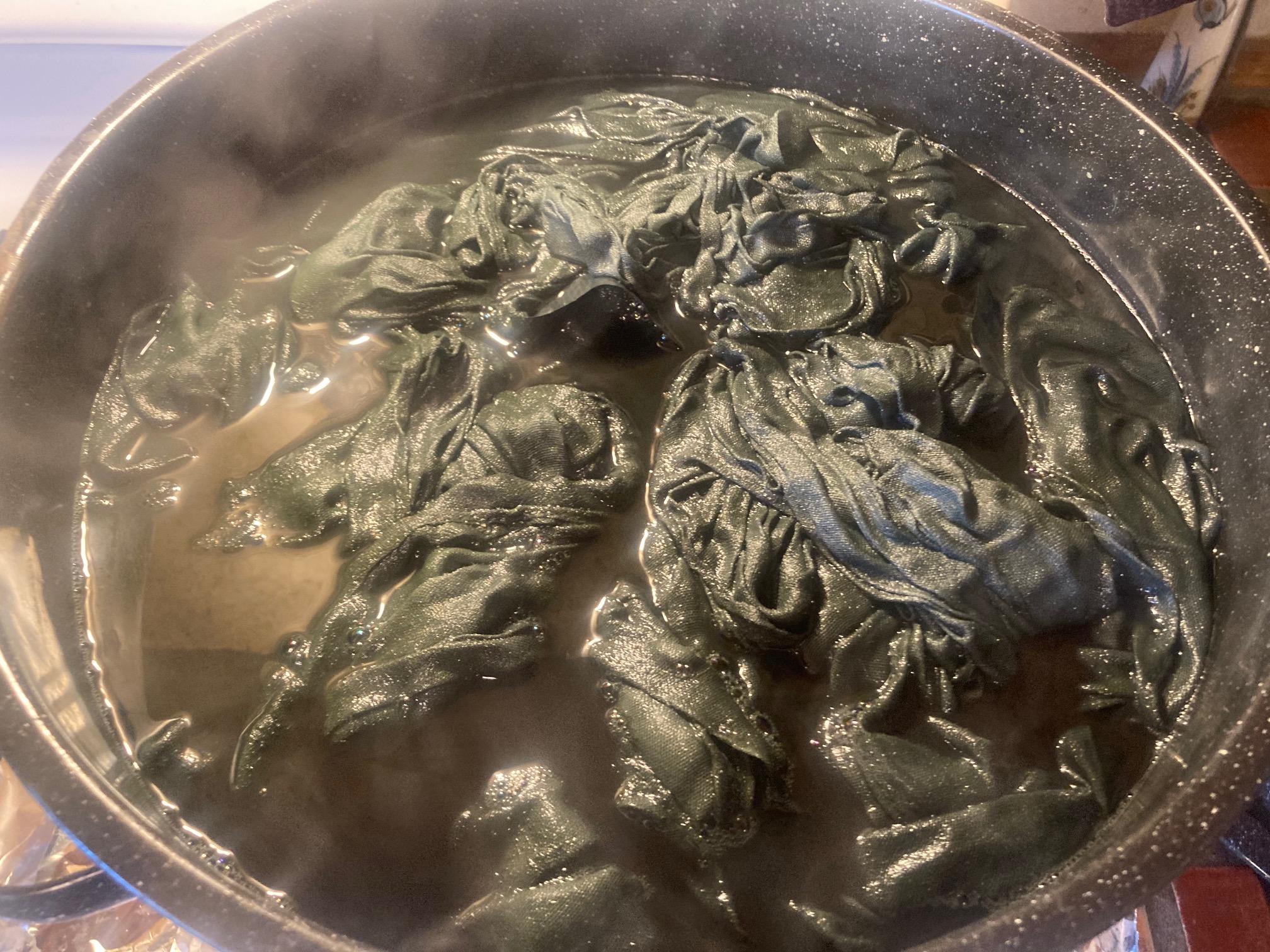
Yes, Dear Old Recipe Readers, it has been a minute since we saw this cauldron bubbling away in these pages, and I must hearken back to those old days to offer a public service to the internet, for in this time of Everything Known Under the Sun and No Stones Unturned by the machine mind of the internet, a great void existed, one that I must remedy now (no doubt driving up my page views exponentially by other seeking souls) by answering this important question:
What color will Rit’s Dyemore Dye make when dying polyester cheesecloth and various miscellaneous poly blend garments using this esoteric formula: Two Bottles Peacock Green, One bottle Sapphire Blue, and One bottle Graphite? That’s right, I wanted them to be Dark Green. Would I succeed?
Barely!
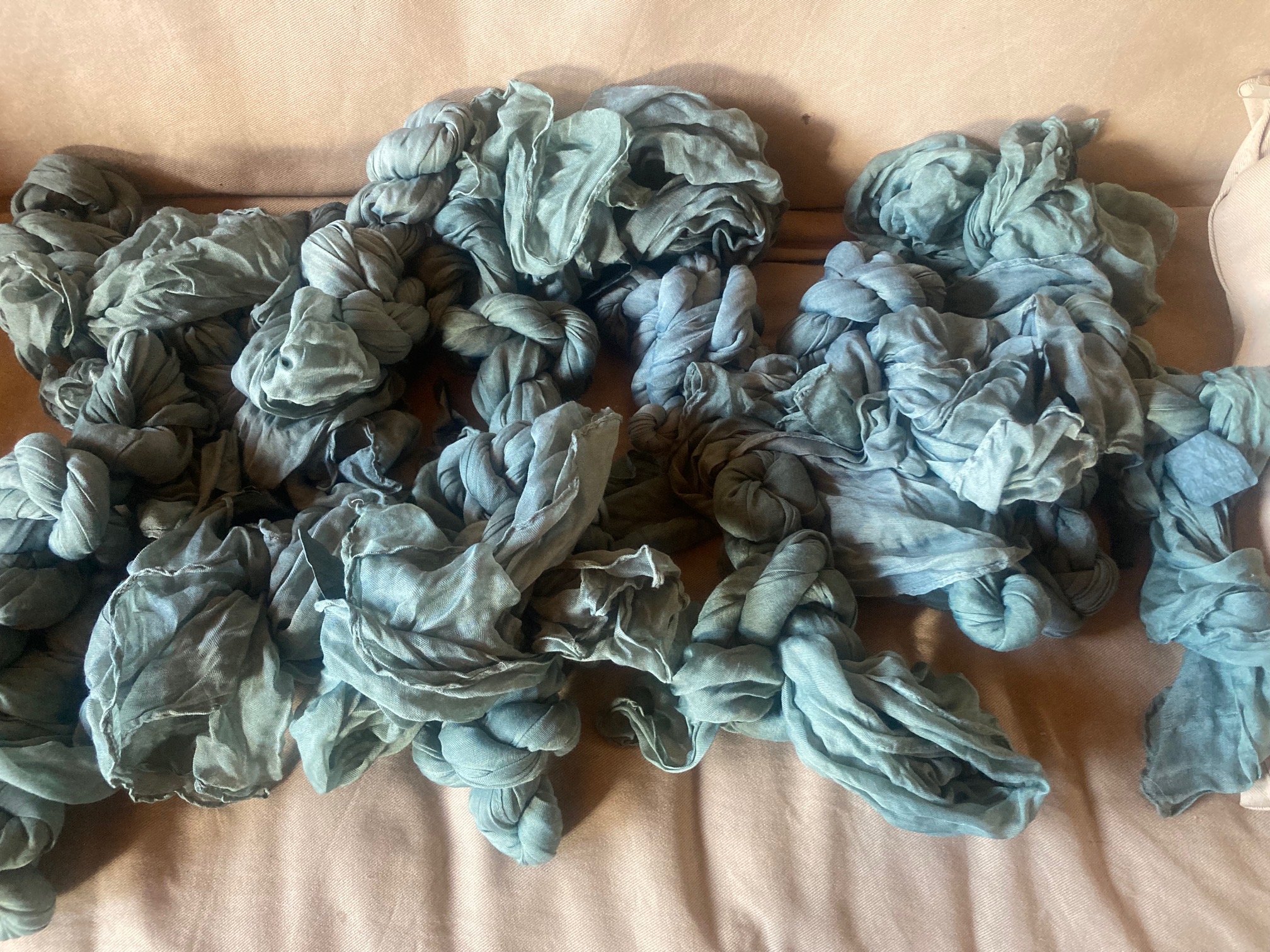
The color is, in fact, sufficiently gorgeous. It is SO not the disaster it could have been! And also, very close to the commercially available cheesecloths that I eschewed the hue of and thought I might best through my own cunning and (untested) skill. And I did best them, for here I am, content and grateful for what I have, which is not, in the end, a disaster. Which makes it a triumph!
And the girl who did all that stirring, she sincerely thought this was a great way to spend her first day of summer vacation. Not to mention the driving practice she got as we crossed the city in search of one more bottle of Peacock Green…
But I’m also wondering–did I need to try so hard? What can I do to arrive here–content and grateful–a little more easily next time? This is the question I hold in my hand as we tip into the life raft of summer.

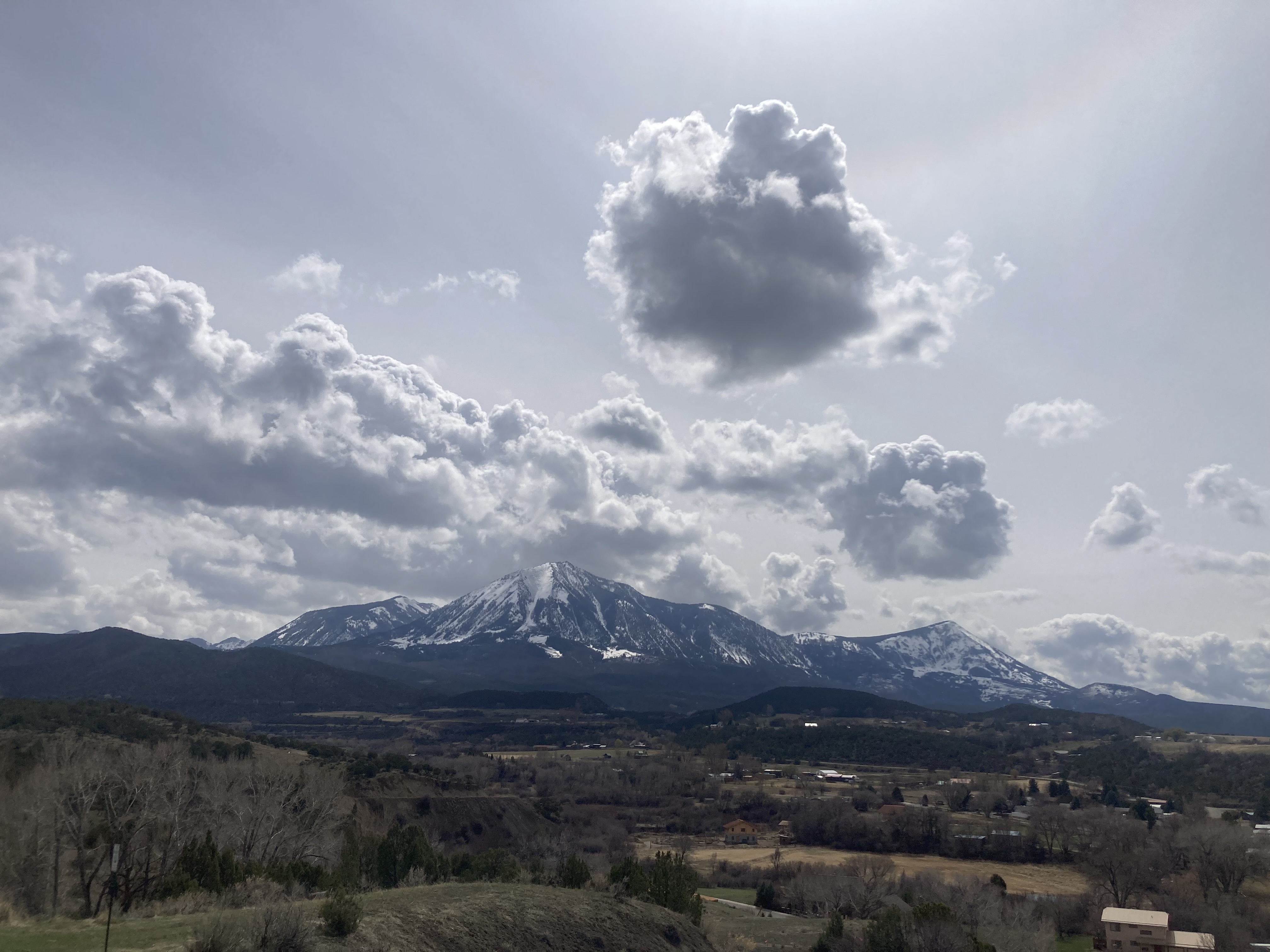
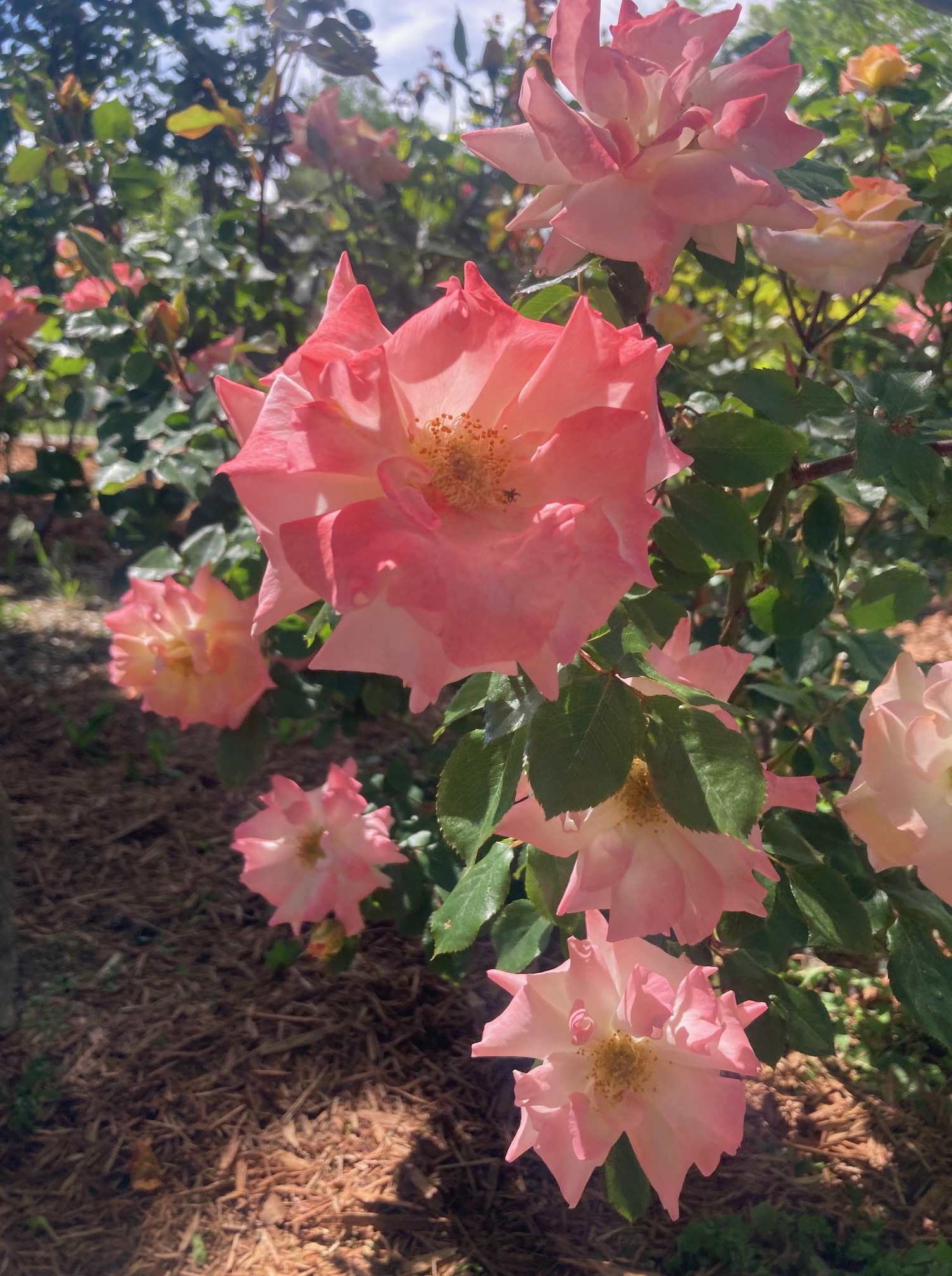
Meanwhile, there is the forest, the garden, the sweet river whose ephemeral season is likely over, there are notebooks to fill, novels to relax into, paintbrushes to dip into paint, rose gardens, poems to expand the universe, and many other small resurrections to live within.
Speaking of which, I had a few poems published recently in Cold Mountain Review. Take a peek, and have a listen.
In other good news, I had a blissful epiphany!
In a hand-slapping-forehead aha moment, I realized I don’t need to work so hard on writing the impossible novel or finishing the un-finishable essays that have been haunting me for years. What!? That’s right. I must be officially middle aged. Wisdom slowly seeps in.
As somebody once said to Kate Bowler, this is a hard journey. What can you set down to make your burden lighter?
In that spirit, I have set down the longtime “goals” and expectations I had for myself as a writer in favor of carrying on with my long time practice of being in a monogamous and devoted relationship with the Poetic Imagination.
It is a gift to cultivate art out of established soil. Why not sink the roots deeper and deeper? Why not say no-thanks to being distracted and spread thin and not quite enough?
And of course I’ll leave the door ajar by saying, who knows what unexpected fruits might grow out of that liberation?
Meanwhile, I’m going to stop trying so hard to do, fix, plan, write, and be everything.
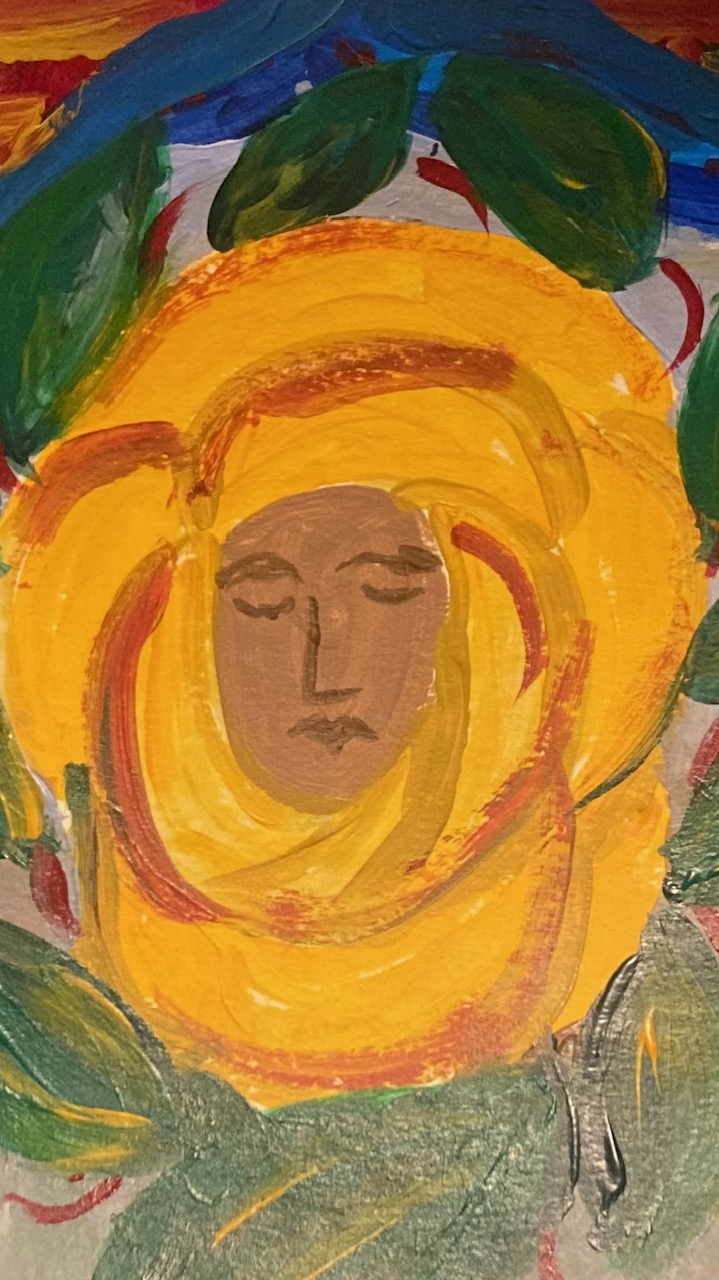
Meanwhile, I will carry on painting self portraits as roses, and trying to become more rose-like. Thorns and all.
::
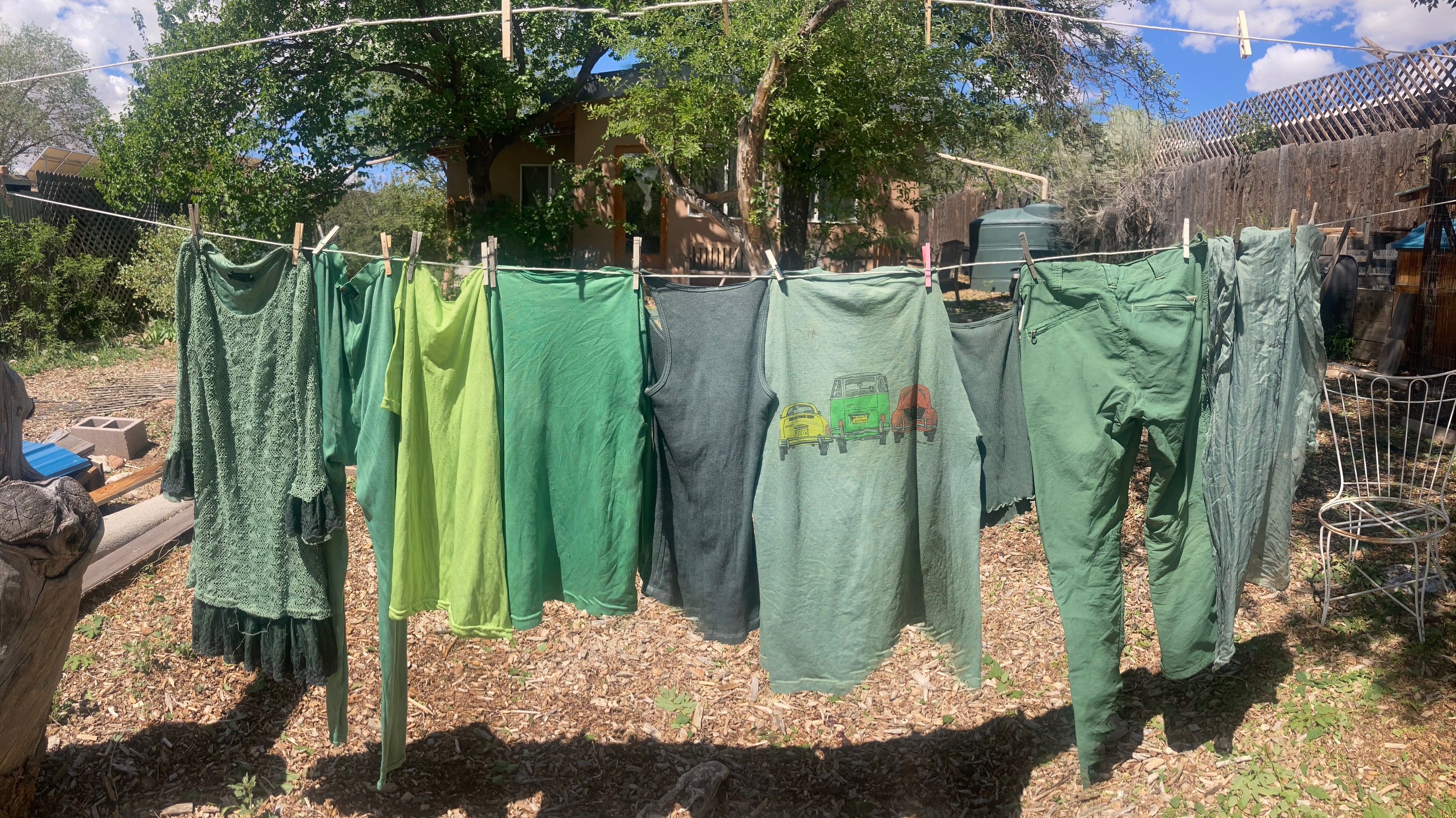
PS, one last gift to the internet for all those seeking # darkgreendyemoredyeimages and who read far enough to be thus rewarded. All these items came out of the same dye pot. Why is it that we are walking around thinking we have control over anything?
Good luck, friends.