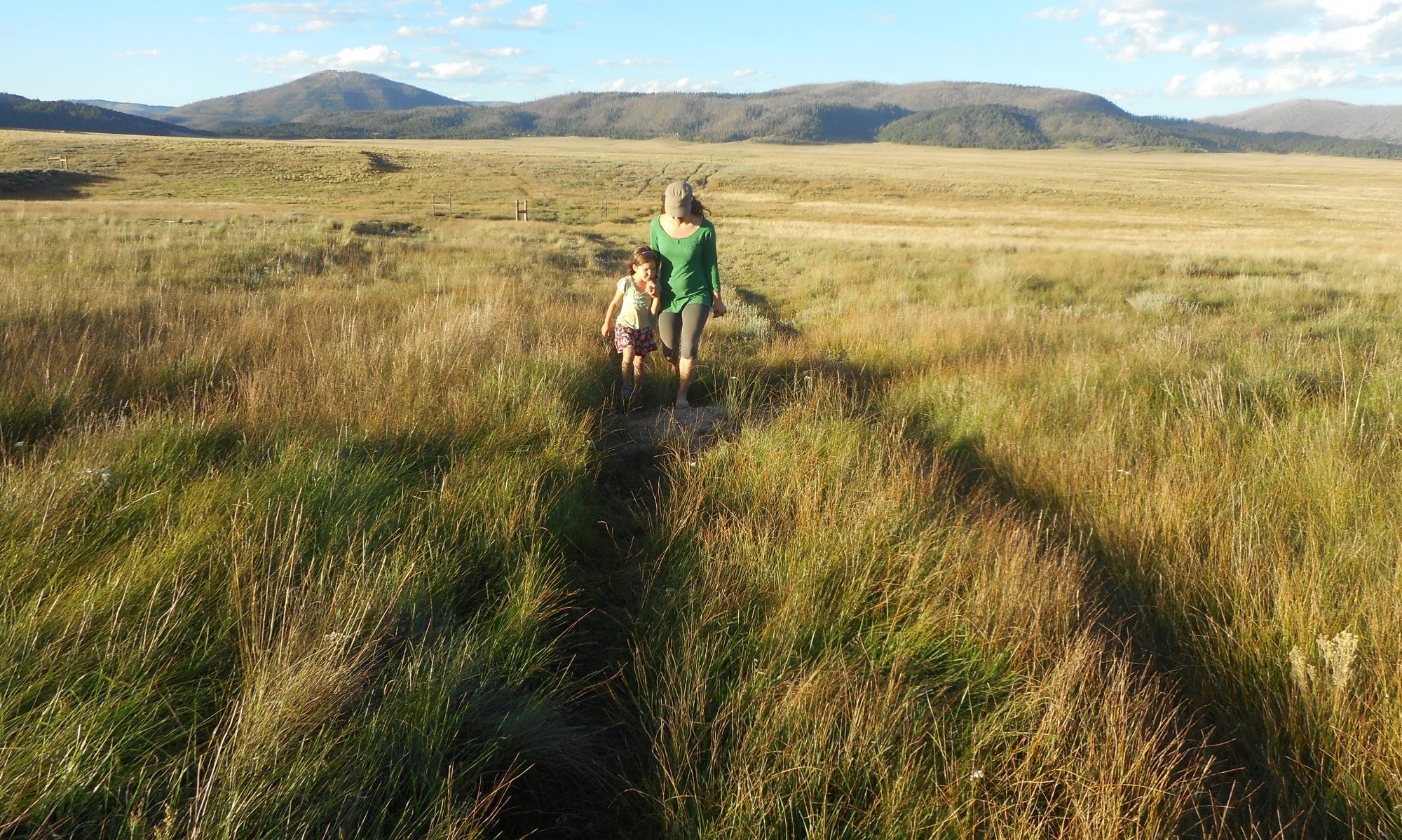
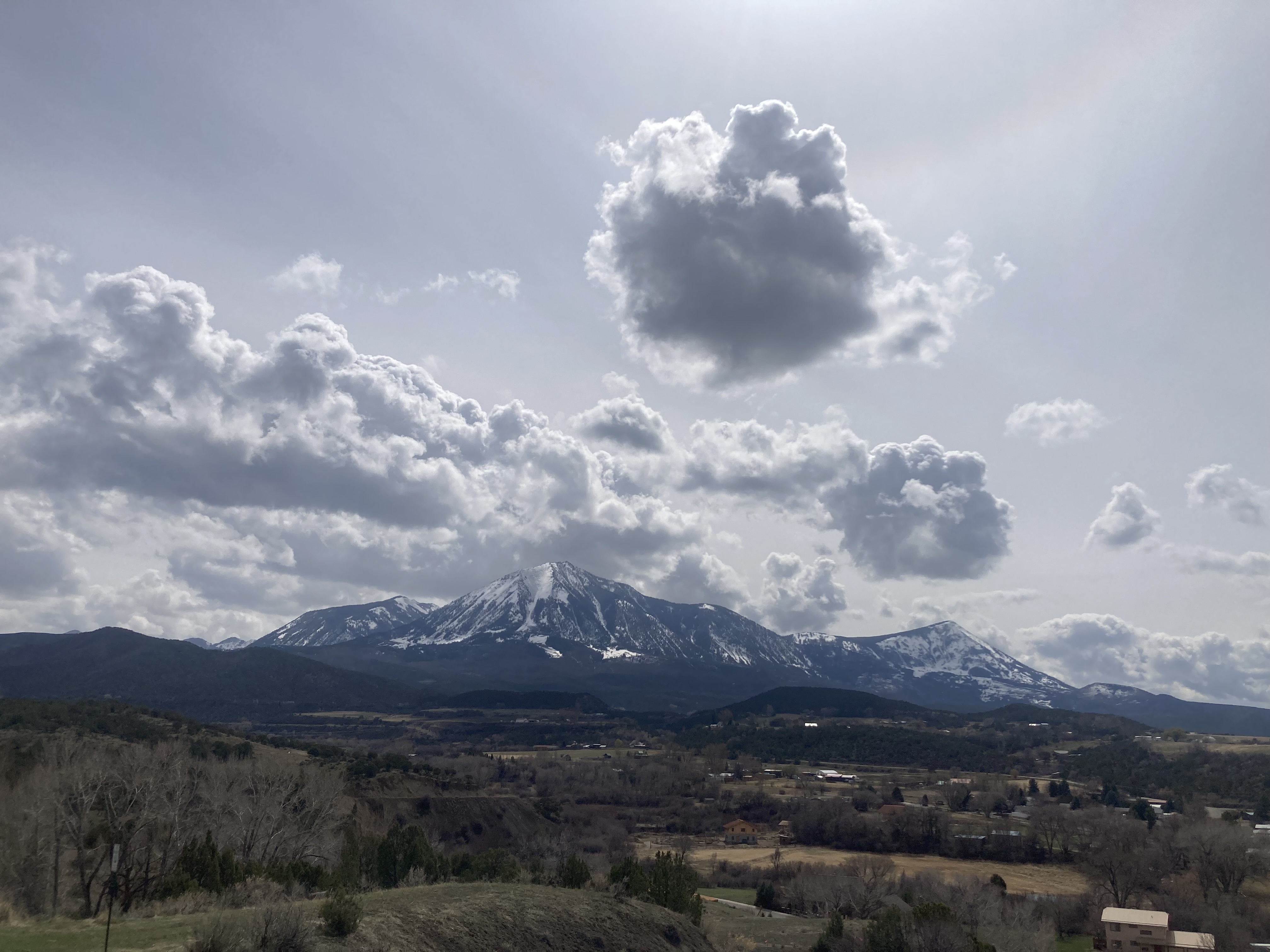
Just back from visiting a friend on Bone Mesa on the far side of Colorado, where snowy peaks towered over the mesa. Deer grazed on grass shoots at twilight. Blossoms from wild apricots blew along the dirt road like fallen stars.
A poem practically wrote itself, in that moment. Except I didn’t write it down, but rather wandered around inside it, as happens when we realize we are actually walking through a poem, we are the poem, that the mesa is really bones, and the bones are poems.
My friend served lentil stew and fresh bread. A fire roared in the woodstove. The night grew transparent as a veil that the wind can lift, revealing that we aren’t in this world at all, but in the place where imagination lives, where we are fed on earth and stones. Where bones speak.

Bones more or less open Far Country, and in an invocation that may or may not have to do with every word that follows, we are reminded in the first poem that it is “Better to ask / what these bones will hatch, what lies, / curled, inside the shells of the dead.”
In “Blood City,” the ground we walk upon cobbled in fossilized snakes curled into balls, which turn to eggs. I can’t say that I always understand what the images that enter my poems say, but I trust and obey them. My friend and fellow writer Jennifer Ferraro read those lines as a call to perceive more deeply, to open our field of awareness to the memory of the land.
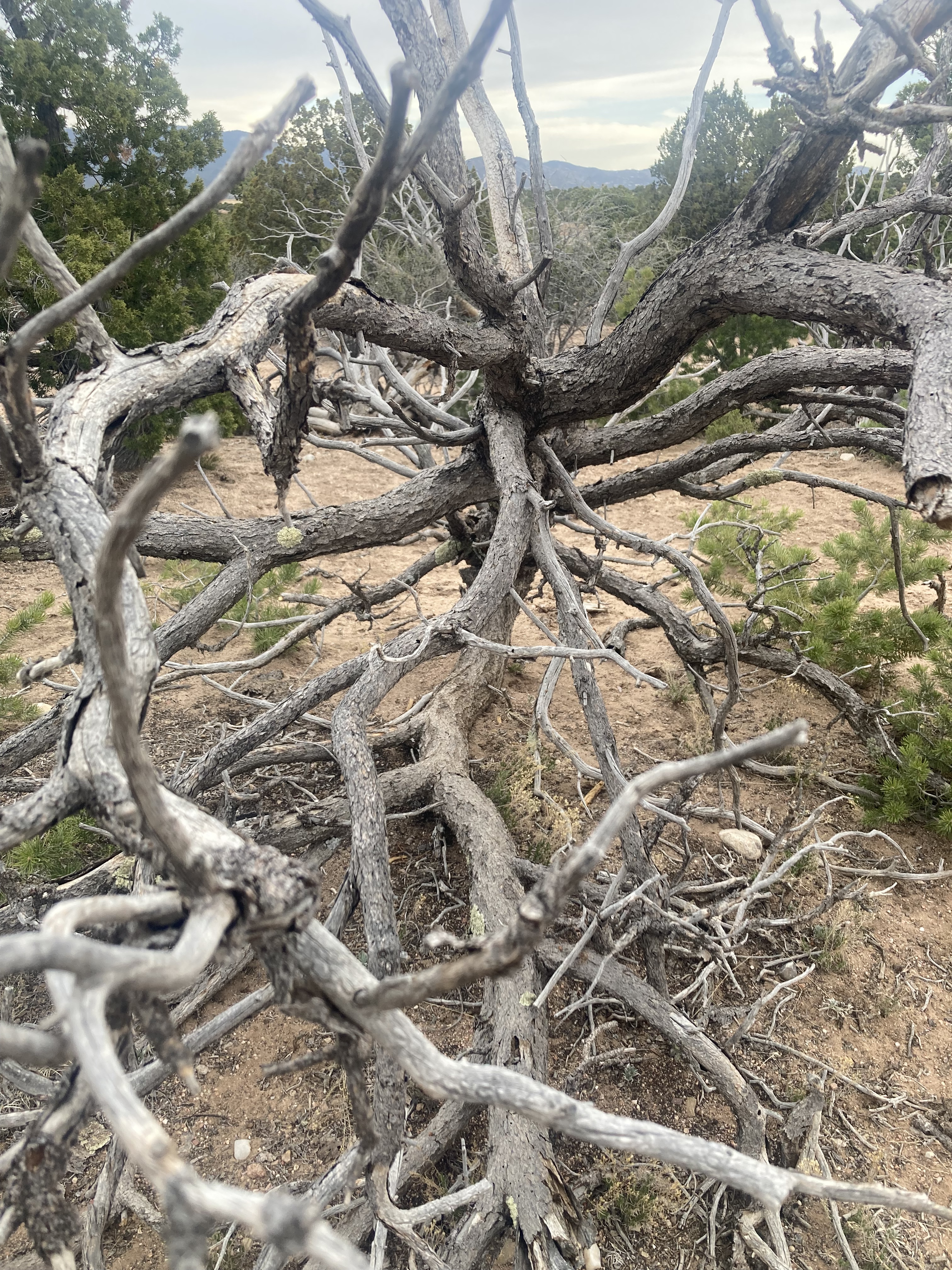
When I check my copy of The Book of Symbols, it says that bones suggest that something “hard” within psychic life endures beyond bodily death, and that a structure of ancestral experience supports us. In the Orthodox Church, the sweet smelling bones of saints are venerated as holy relics that bless us. Bones as bearers of life. Benediction and medicine.
Bones accompany the poet/speaker/me throughout the book–as talisman and key. There is an underworld called The Boneyard to be navigated. And in every poem, there is an invisible skeleton holding it up that is not, entirely, of this world.
The earth is a realm of bone on bone, in all the ways that can be understood. It can hurt to be here, magnificent as the scenery might be. Throughout the struggles, bones remind us that something unseen supports us, lies hidden within the known world, bears new life within what is buried.
 Kyce Bello