

I’m loving your garden posts.
Keep them coming.
I’ll post the whole collection May 1st.
For a refresher on what I’m talking about,
Hope life is blooming all around you, too,
and that you’re finding your way out into it.
Or something like that.
First things first: what’s the hurry, anyways? What’s up with all the short cuts and schemes that allow us to live our hectic, busy lives while getting even more done? In truth, slowing down, making room, spending more time off-line, and taking the time for these things is its own reward and its own path to being a super eco-groovy human being.
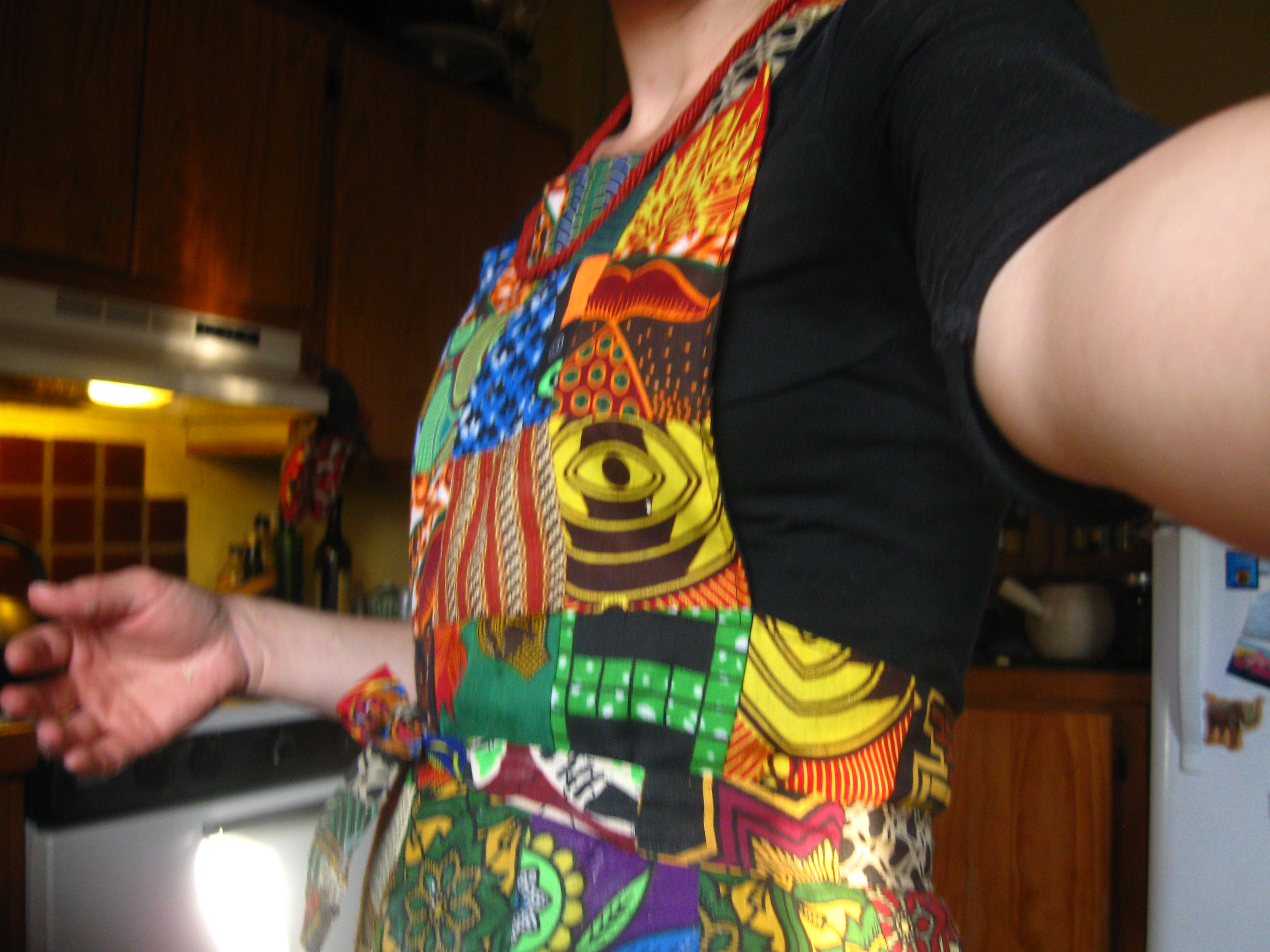
Still, some of us work. Some of us want to make art or take walks or go to school. Some of us have children that are tired of a mother whose idea of playtime is rolling tortillas.
I’m writing this post in response to folks that mistakenly think that living the way we do is a full time job…for me, the housewife. I do think of it as my work–my bread labor. But I’ve found that it doesn’t take much extra time to do the basic sustenance part of life. In fact, sometimes I feel like a hunter gatherer with plentiful leisure time. Even when I worked outside the home I cooked pretty wholesome meals everyday. I don’t spend much more time at it now. It’s taken practice, surely, to get to the point where so much cooking from scratch is just part of the rhythm of our days, so go slow if just starting out. In fact, go slow no matter what.
Anyways, for what it’s worth and off the top of my head–
Beginning
::Choose one or two of the things that you currently purchase to try your hand at making. This might be bread, yogurt, crackers or tortillas, granola, cheese, body care items, or any infinite number of ordinary items from greeting cards to sweaters. Start with one and as it becomes familiar and effortless, add the next one. These are all pretty much way easier than I ever imagined back when I was convinced they had to be store-bought.
::Don’t go it alone. Combat isolation and fragmented communities by inviting a friend to teach you a new skill, to learn one you’ve mastered, or to fumble your way to success together when both figuring something out for the first time.

Maintaining
:: Dedicate a morning each week to prepare the staples needed for that week. After the busyness of the weekend, I love spending Mondays at home, messing around the kitchen doing whatever needs doing.
::Invite your girlfriend and her brood over to share that kitchen morning with you–talk and talk, and before you know it everything’s done, including clean up. Remember to make enough for both families. Alternatively, each of you could choose an item or two to make at home, and then swap yogurt for bread for sauerkraut.
:: Make double or triple batches of everything. You knew that! Make yogurt two quarts a time. Freeze cracker and cookie dough and pie crust. I often make extra brown rice and beans, two slightly more time intensive staples around here, and freeze them in meal sized portions in a tiffin. We don’t rely on them regularly, but when we need a quick meal, they are infinitely helpful.
::Don’t ever, ever, run out of flour. Everything else you can live without, but keep that sack handy and half full! In fact, try to keep ingredients on hand, but don’t run to the store until you really need to. Amaze yourself and your family by what can be made out of cabbage, frozen chicken stock, and an onion.
Bread
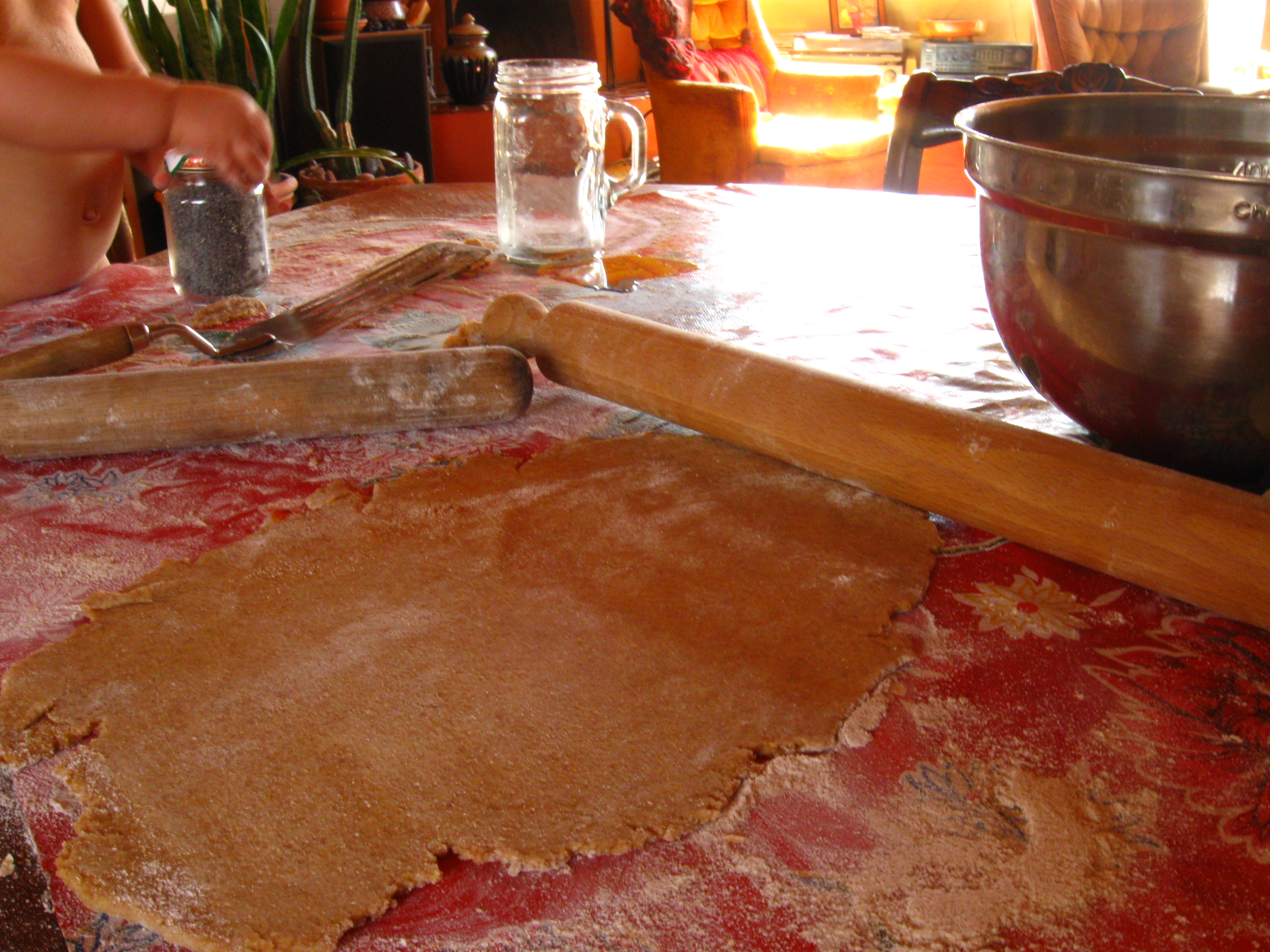
::The popular no-knead / 5 minutes a day bread making method isn’t for everyone. But if you have some kind of thing against buying bread products in plastic bags, as we seem to, you might consider putting a picture of it’s creators up on your kitchen altar. I always double the recipe. It keeps fine for two weeks in the fridge, though no matter what I do ours runs out after a week. It is lovely to have the dough on hand for bread, rolls, naan, english muffins, or whatever the occasion calls for. All it takes is a little time to rise before cooking, and for naan not even that. This might seem like one of those short cuts that deprives us of the simple pleasure of kneading, and the flow of traditional bread making, but it is, frankly, awesome.
Dinner
::I’m not the most sophisticated menu planner, though I see how helpful it is to plan ahead just a little when it comes time for the grocery store. I think more in terms of two major meals each week, and aim for ones that will provide versatile leftovers that can become either a repeat or a whole new thing. The roasted chicken is a great one for that–come the end of the week there’s soup to make from the carcass. Alternatively, I also do a pot of beans or dal most weeks, and that provides a good basis for lunches or simple week night meals that I can doll up in minutes. I’ll make the tortillas for the week while the rice and lentils are cooking, and call it dinner.
::Cook a little bit all throughout the day rather than saving everything for 5:00. If you’re making quiche, do the pie dough in the morning. If you’re making enchiladas, make the sauce or tortillas in advance.
::While I love preparing complex meals from scratch, simplicity is so, so delicious. Save the fancy stuff for Sunday dinner. And then go all out.
::When you run the oven, pack it. On my baking day, I make sure to have as many of the following as I can reasonably do: bread, crackers, pies, chicken, potatoes, squash, etc.
::When putting away clean dishes, set the table, even if dinner’s hours away. I used to wonder what napkin rings were for, but love Soulemama’s idea of having a different one for each member of the family so that napkins can be used repeatedly by the same person until truly in need of a wash. I suppose if you don’t have napkin rings, a mismatched set of napkins would work, too.
Laundry
::When Adrie started washing her family’s laundry by hand I was blown away. I have no desire to follow in her footsteps, but I am much, much more aware of whether something is really dirty before throwing it in the hamper. Like, I have to see/smell it and it’s bad before I wash it.
::Always hang laundry on the line. This is a time saver because it gets you outside, twice, and from there it’s no trouble to just keep on walking.
Childcare
::If you have just one little one, stick her in the shower with you. Yes, this does eliminate the eco-friendly possibility of shaving with a straight razor, but saves water and time. Unless you savor the time to knit beside the bathtub while someone splashes water all over. Then do a bath everyday.
::Hair brushing: I think once a day is plenty. Do it five minutes before being seen in public.
Houeskeeping
::Unless there is no alternative, avoid using nap time for housework or cooking. That time is for you alone, Mama. Don’t give it up to the endless tides of sweeping the floor and washing dishes.
::When the house is clean, leave. Go away. Go make a mess somewhere else. Come back only when you can’t stay away any longer.
How do you run your household without letting it run you?
Head out onto the land.

Take a look around.
Then look closer.

Greet your old friends with a cry of happy recognition.
How well you look!
Make your prayer, offer thanks.
(Tobacco or corn meal do well, but homemade crackers work in a pinch.)

Ah, that joyful exchange of praise and pruning for medicine.
Wander, greeting the plants all around, eyes tuned to the rocks, the sand, the sky.
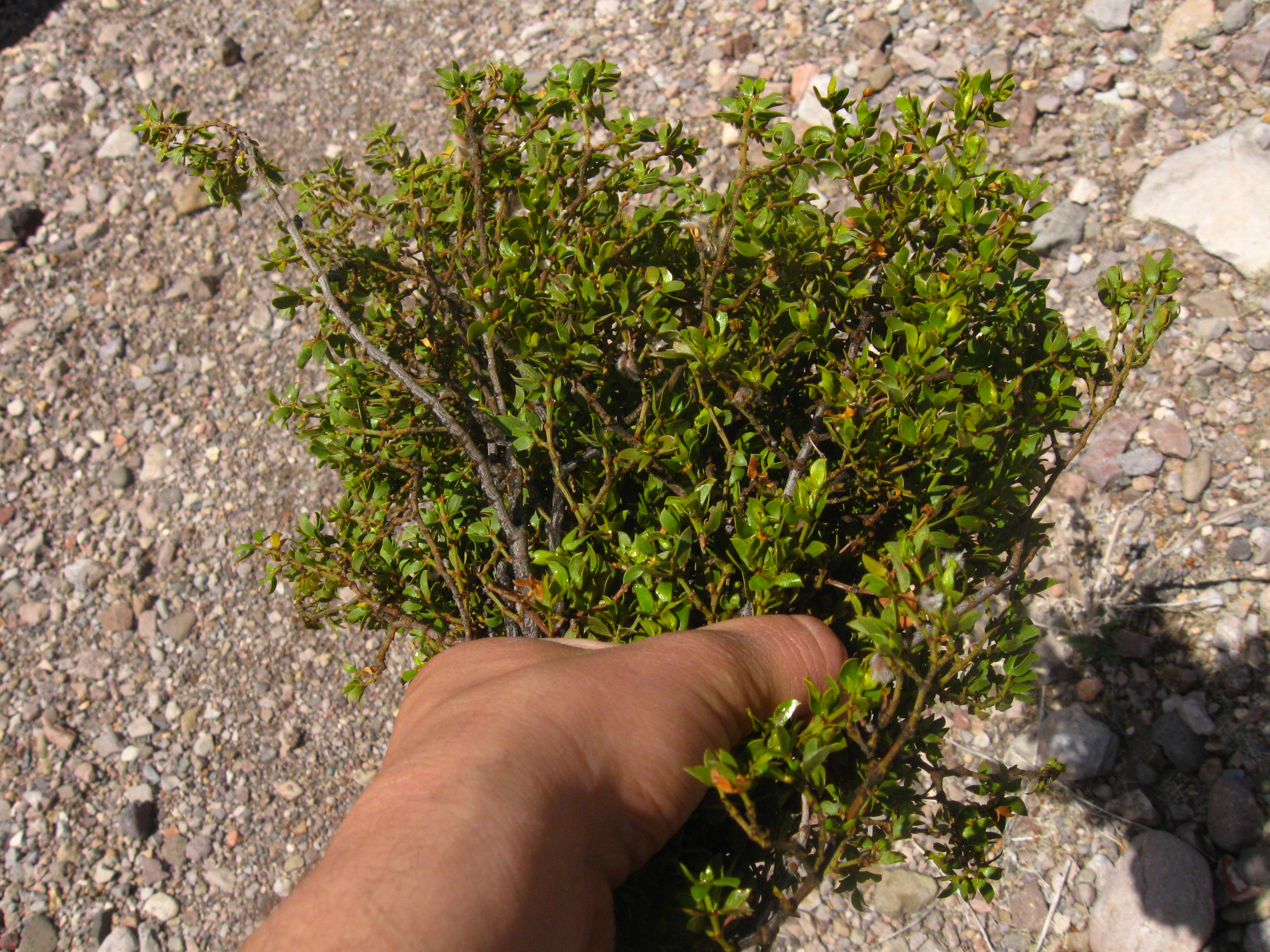
The dusky green that makes even this dry land abundant.
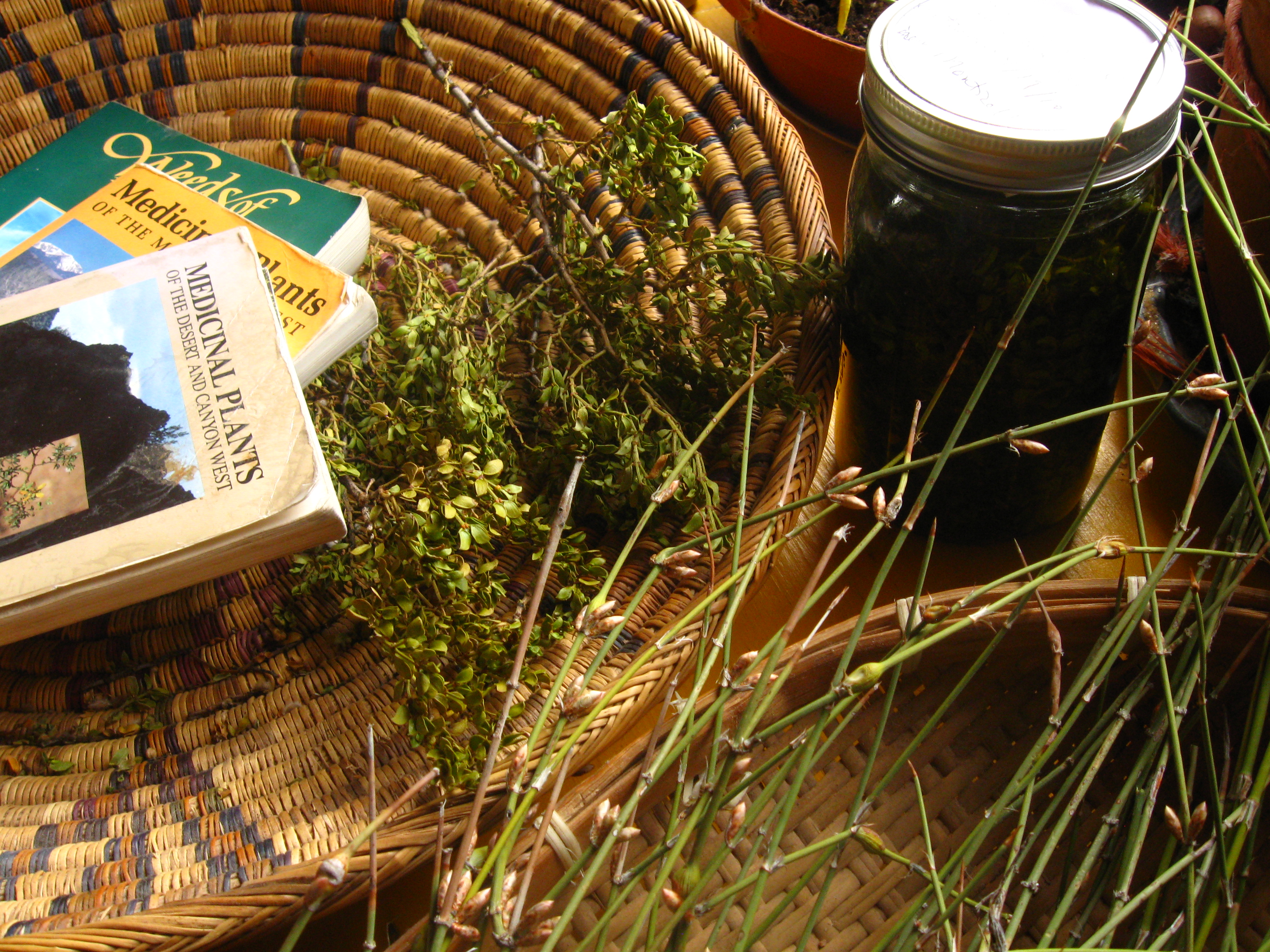
Oh friends, your beauty and goodness are a song I’ll never stop singing.
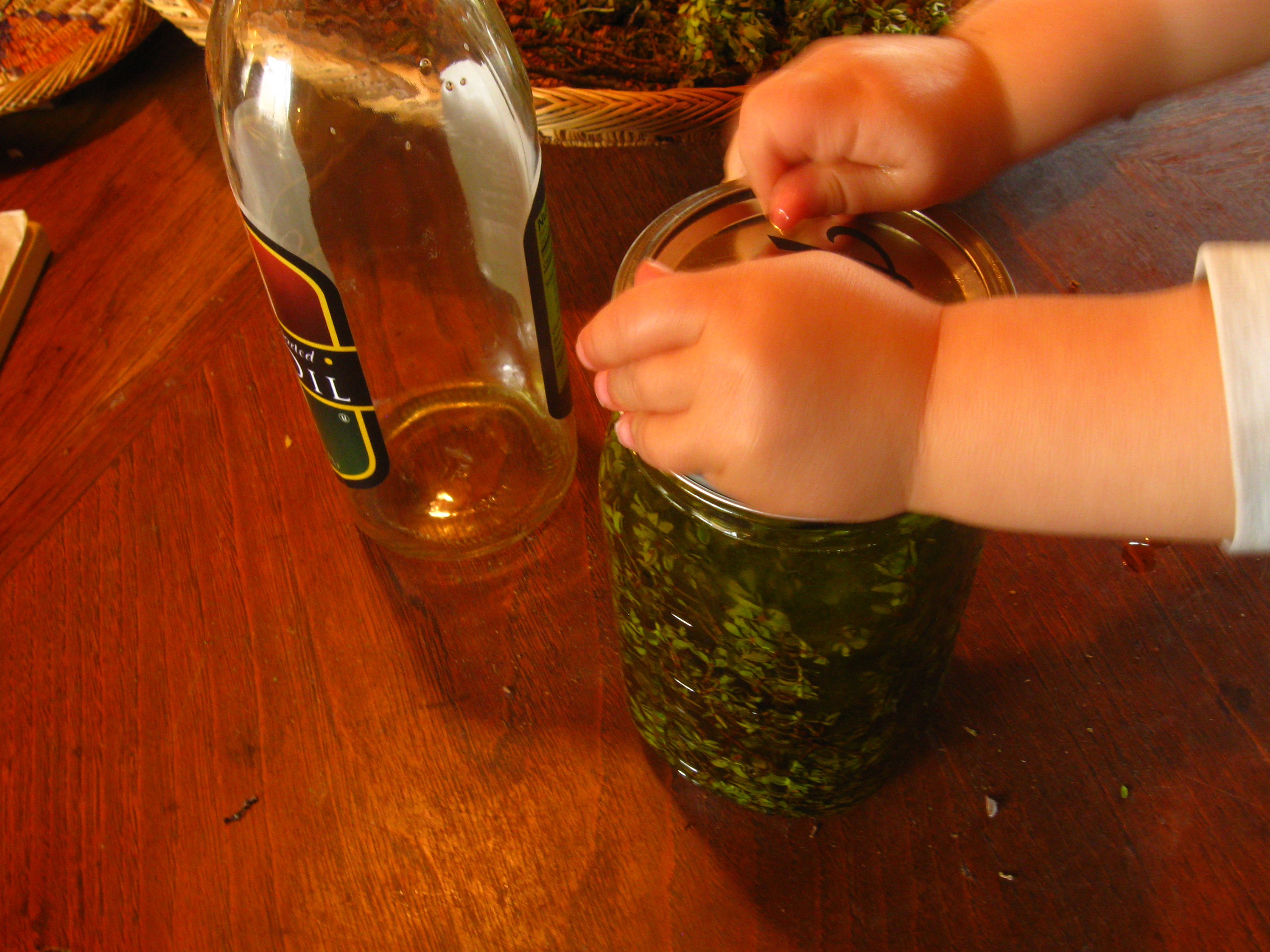
Honor the plants by making simple medicine from them,

And they will honor you with their healing.
Before, during, after.
::
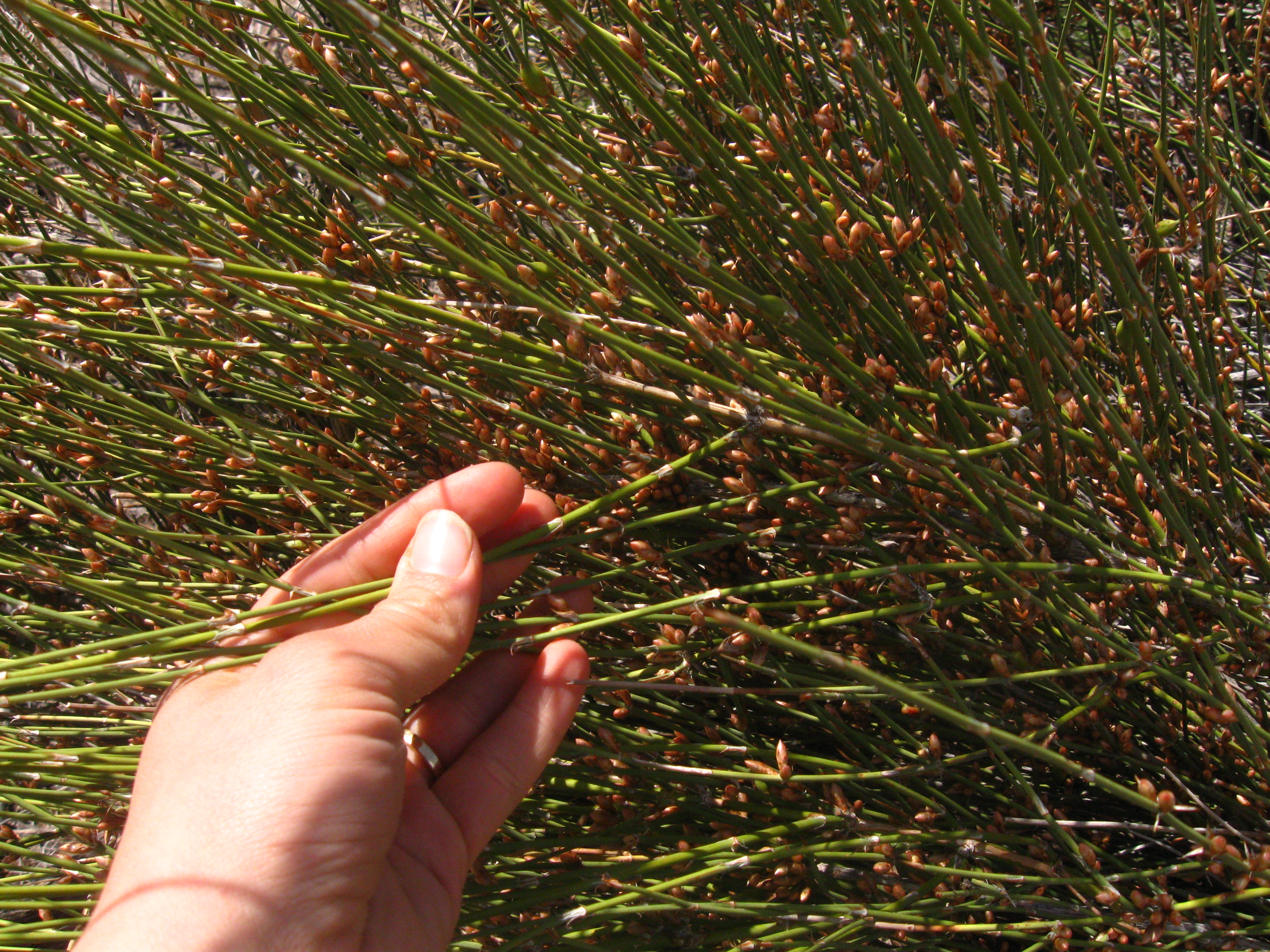
The long, thin “leaves” are Mormon Tea, found flowering and abundant in a wash down south. We’ll add it to our daily tea blend for its rich mineral content and nourishing powers.
The small, shiny round leaves are from chaparral (creosote bush to non-herbalists). This plant reigns over the Chihuahuan desert, and is potent medicine. I’m making oil to use as a base for sunscreen this summer.
Our favorite books for this area are the ones written by our beloved teacher Michael Moore: Medicinal Plants of the Desert and Canyon West and Medicinal Plants of the Mountain West.
(PS happy Earth Day)


I heard the incomparable activist and writer Arundhati Roy speak last week, and I’m still on fire. The night’s immersion into such heady territory–empire, democracy, globalization, commerce, and naturally, the environment, left me reflecting on the nature of information. There have been times in my life where I just have to turn off the noise. I turn away from the news, and even from the intelligent criticism of it. I’m afraid of getting overwhelmed, of despair, of hopelessness. And yes, I can report back that there is a stillness that can be found in turning off the noise. But if it is not a powerful, life changing stillness, one able to counter and upend our culture’s unyielding and destructive growth, then it is finding a false refuge.
We are among the privileged few in the world able to choose the safety of hopelessness. We can say, there’s nothing I can do, so I’ll just not worry about it. It is from that place of dis-empowerment that we can opt out, convinced of our inability to make a difference. From there we comfortably continue on in our lives, content to do the best we can.
Across the planet, in places wrecked by climate change and war (often the two are hand in hand), people have been forced past the point of reasonableness to the precipice of hope. It is a hope born of necessity, and made real with action. These are our kin, our counterparts who can no longer afford hopelessness.
I’m generally always looking for an answer to my questions about how to live. What kind of action is the right kind? What is enough? Where does living well for myself and living well for the planet intersect? I don’t always know what to do, and when I have a fleeting certainty, it is quickly countered by the endless contradictions of our reality. But by staying engaged and educated, I find that I am better able to fertilize my own inner capacity for action, involvement, and change. Which are all fingers on the hand of hope.
Without reminders of the shocking injustices taking place in my name–or in the name of capitalism and growth, a system based on inequality and from which I undoubtedly benefit at the expense of others–I could easilt slip back into my old, I’m Doing the Best I Can ways.
We need the kind of gloablization that keeps us in check. That breaks down barriers of ignorance and apathy. We need to be reminded of our place in the Great Turning, so that even when we are truly doing the best we can, we want to do still more. And do it.
::
If you’re at all curious about what hope, action, and battling for system change looks like in India, please check out Arundhati’s recent article in the recent edition of Outlook India magazine.
I once heard a prominent holistic MD give a talk on the importance of making dietary changes in order to facilitate healing. He said he asked all his patients to make some kind of change. Often, it was to simply return to whole foods. Sometimes it would be more prescriptive, a cleanse say, or a certain regimen such as for heart disease or cancer. But even if an individual ailment had little to do with food, he’d still ask them to alter their diet in some way, even if it was only a symbolic way. The reason was because while broccoli and green tea are good for our health, deeper healing is partially facilitated by intention. Our bodies need that symbolic act, that change in diet, as a show of our commitment to transforming a pattern that is not serving the system.
I’ve reflected a lot on that idea lately. You might even say that the larger intent of this otherwise eccentric and unusually rigid (for me) experiment is something along those lines. The idea of cleansing our system while making a commitment to further growth and personal transformation has fueled this project from its humble origins back in the days when it felt impossible.
I’m looking forward to the healthy reintegration of plastic into our lives. It will be nice to be able to buy tortillas every now and then, and to have sour cream with our beans. Despite my occasional griping, though, I am feeling very grateful for this commitment. This is not the kind of thing I’ve done much of, and it has been a powerful act. It has taken me on that long dreamed of journey to the olden days, and given me an education in made-from-scratch like you would not believe. It has wakened me from the cultural sleep, and opened doors to a world in which there are countless ways to praise this good life while living as simply as possible.
So onward we go, into the last month of this simple fast. It will carry on, surely, as we have so much left to discover the alternatives to. I’m not thinking of that so much right now, though. It’s just the external details of what is really about inner change. The kind of change that can’t always be spoken, but is there, singing loudly, nevertheless.
I was just reminded that tonight’s the night to celebrate earth hour. Starting at 8:30 pm your local time.
It’s a symbolic act, undertaken with a global community.
Turn your lights out to join folks all over the world in sending a message about climate change.
And to enjoy the nearing-full moon light.
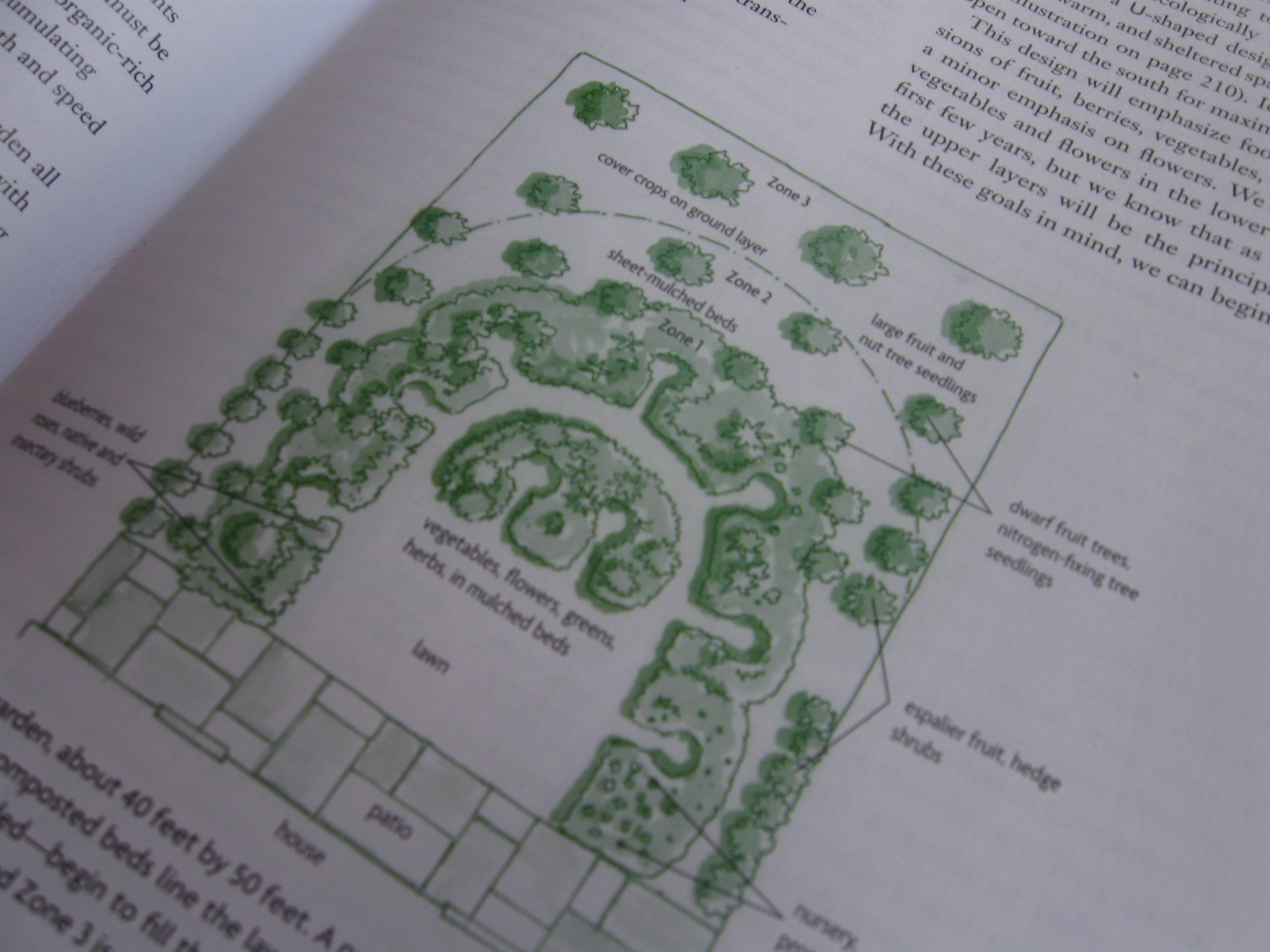
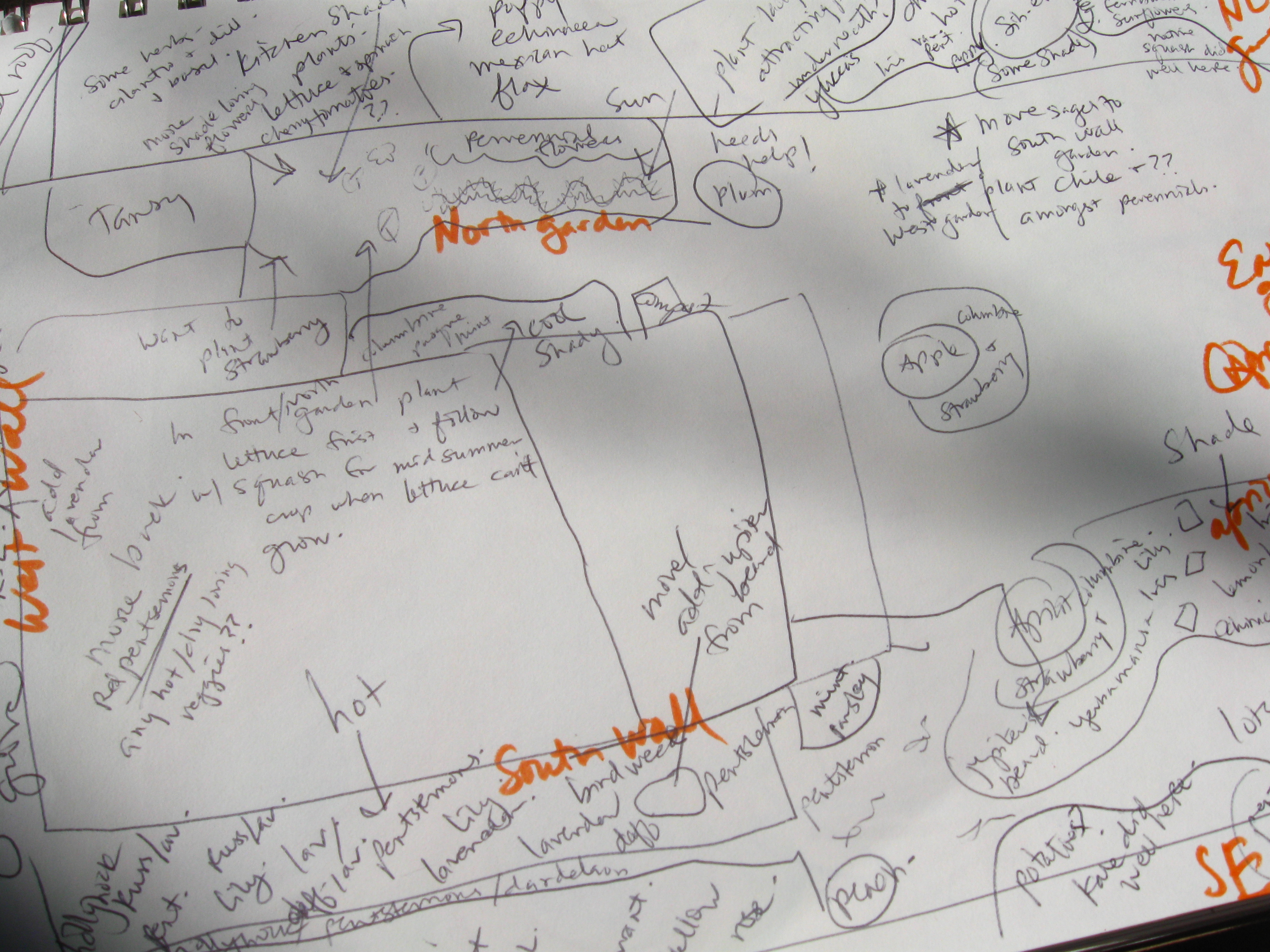
Annotated map of our yard.

Detail of keyhole beds from Gaia’s Garden.
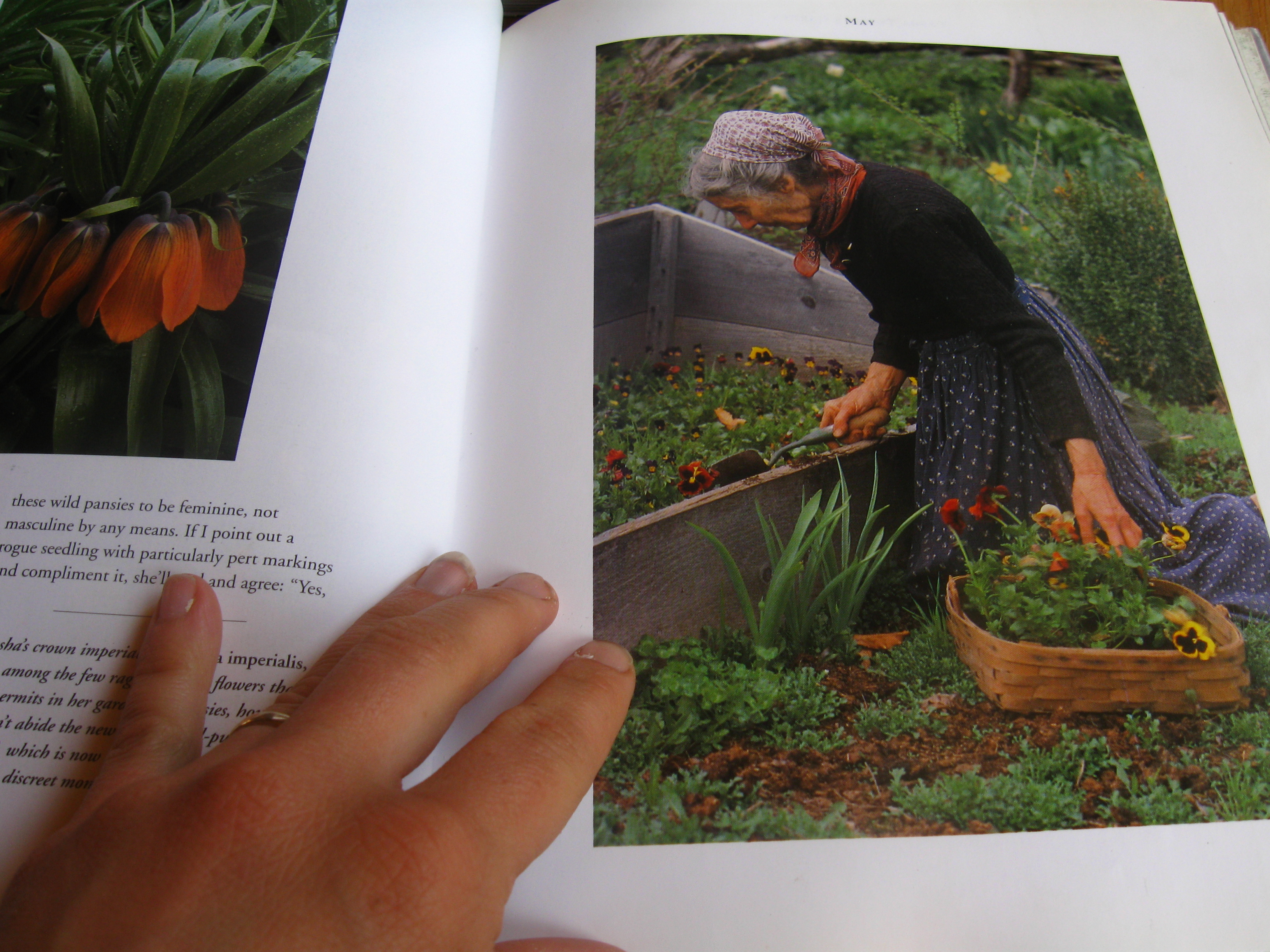
Tasha Tudor Reminding me that skirts and dirt go well together.

The stacks of our public library yielded this inspiration:
Gaia’s Garden: A Guide to Home-Scale Permaculture by Toby Hemenway is the best home permaculture book I’ve found. Hemenway carefully builds a framework (or should that be layers a sheet mulch?) of how to understand and create an “ecological garden.” Why to mix perennials and annuals, how to layer plants, the importance of building soil, the role of observation in the garden, and so much more. This is one of the best gardening book’s I’ve ever read.
Gardening at the Dragon’s Gate: At Work in the Wild and Cultivated World by Wendy Johnson is, simply, beautiful. For decades Johnson has tended the gardens at the Green Gulch Farm Zen Center in Marin County, California. Her writing is as skilled and mindful as the gardens she describes. One part poetic storytelling of a life of Zen meditation and turning dirt, one part highly thoughtful and comprehensive narrative of gardening lore. Anyone who likes to think about plants, gardens, meditation, compost, koans, and their kin will love this book. Even if you just love one of those things, Wendy Johnson will make you swoon for all the rest.
The Sweet Breathing of Plants: Women Writing the Green World edited by Linda Hogan and Brenda Peterson isn’t a gardening book. It is a book about connection and relationship between women and plants, and ranges from the garden to the wilds, touching upon every aspect of green growing things. It includes essays and poems and stories by many writers you already love and others you will come to love, including Zora Neale Hurston, Isabel Allende, Alice Walker, Rachel Carson, and dozens of others. This book is an inspiration that will have you humming with appreciation for your particular plot of earth, the larger homeground beyond it, and the green tribes that fill your life. I revisit this book every year.
When I delve into a subject, I go full bore (a remnant of my interest-led unschooling years, perhaps?) I absolutely inhale everything I can get on the topic, applying it as I go and eventually moving on, a bit wiser for my efforts. A few other gardening books on hold for me at the library, or ordered through interlibrary loan:
How to Grow More Vegetables… by John Jeavons. A classic of bio-intensive gardening that everyone else seems to refer to.
Designing and Maintaining Your Edible Landscape Naturally by Robert Kourik
The One-Straw Revolution by Masanobu Fukuoka
Gardening for the Future of the Earth by Howard Yana Shapiro and John Harrison
Stolen Harvest by Vandana Shiva
Seed to Seed by Suzanne Ashworth
The Unsettling of America by Wendell Berry
Four Season Harvest by Elliot Coleman
I told you, I’m voracious. Probably won’t get all the way through this list before the actual work of gardening takes hold of me and I turn to the plants and soil to teach me all I need to know. But I might get close. And there’s always next year. For now, I’ll plant the fertile beds of my imagination for whatever harvest lies ahead.
p.s. what are your favorite books?
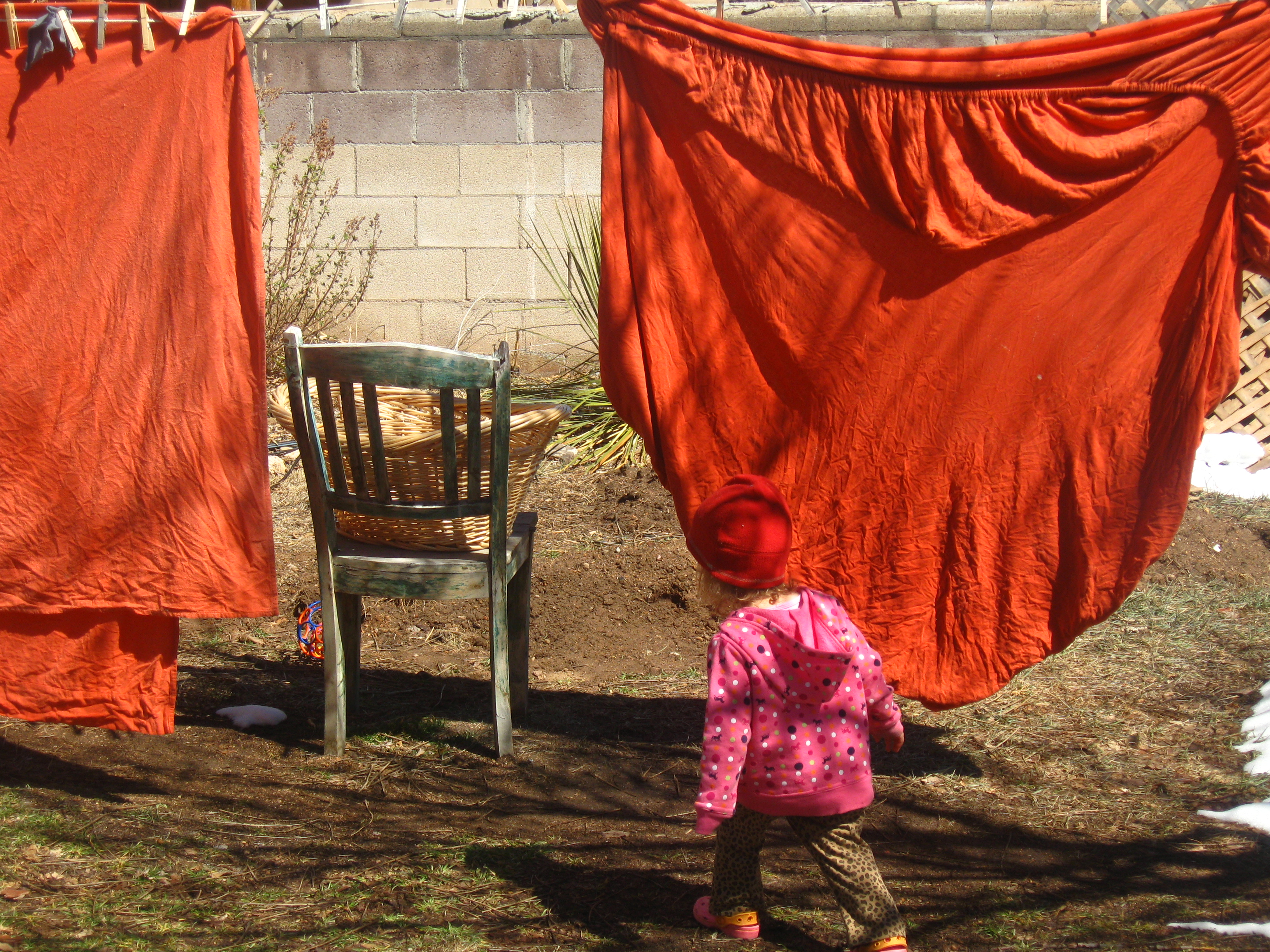
Here’s the day bright and warm.
Look carefully and you can see the piles of dirt I meticulously double dug in a burst of “must grow all our own food this summer.” When my wise garden advisor came to weigh in, she nudged me back towards the center of our yard. “See how wide these paths are?” she asked. “Grow food in them.”
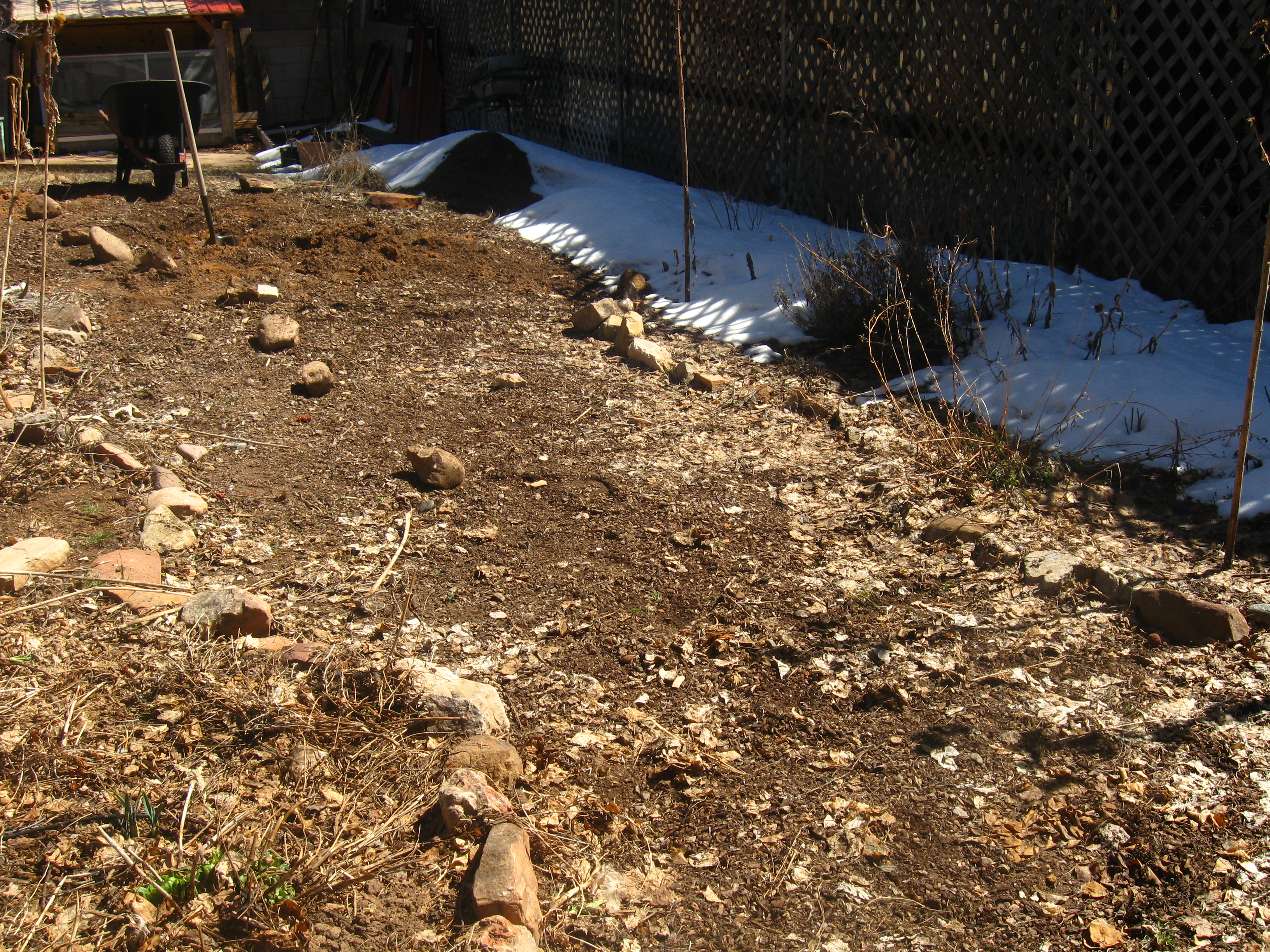
Aahhh. I see.
Stay small, work slowly outward, build soil. Listen to this little piece of land, rather than chattering at it endlessly.
The funny thing about this month’s one small change (my grand plans to start walking everywhere), is that it was just a bit much. I blew out my shoulder hoofing it with Cora on my back (the stroller had a flat and I would not be stopped), and now am relegated to staying home and reading garden books instead of roving all over town and randomly turning up soil in such a way that I succeed only in killing our pobre patch of native grass. Next month’s change was meant to be laying the ground work for growing–you guessed it–a lot more food. Which I’m looking at a little differently now. Taking the long view, you could say. As in, how much of the pathway do I really have the energy to turn into something new?
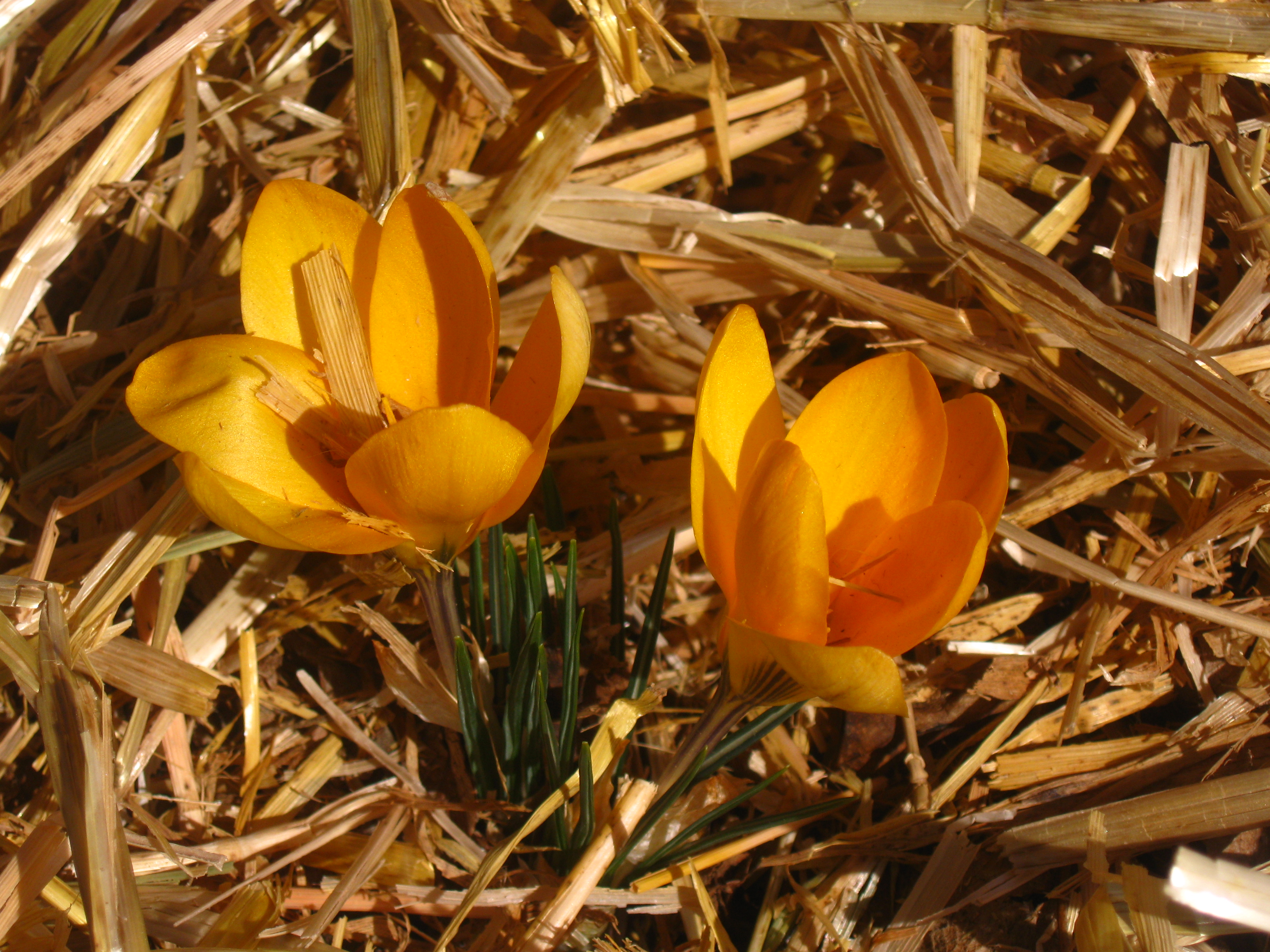 Despite the fineness of them, these barely-Spring days are not time to leap forward. Just as the apricot knows better than to burst forth just yet, I need to observe a bit more, pull my energy back towards the center. So, maybe this isn’t the year I’ll grow all our own food. Maybe this year I’ll learn something unexpected. Like, what I have is enough.
Oh blessed day, it is enough.
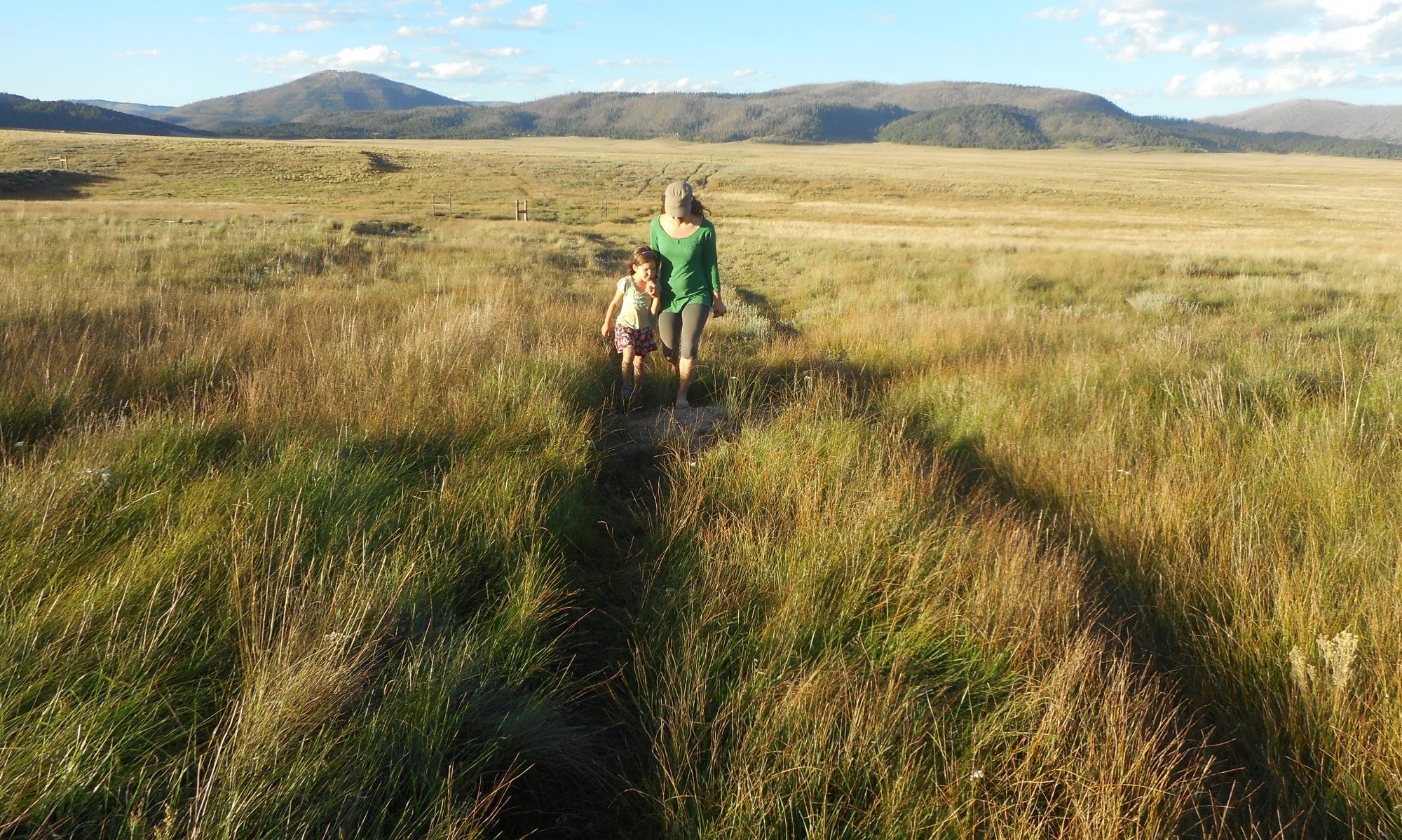
Sometimes my walkabout view looks like this, and we get to cruising at a nice fast clip, getting all sorts of things done.
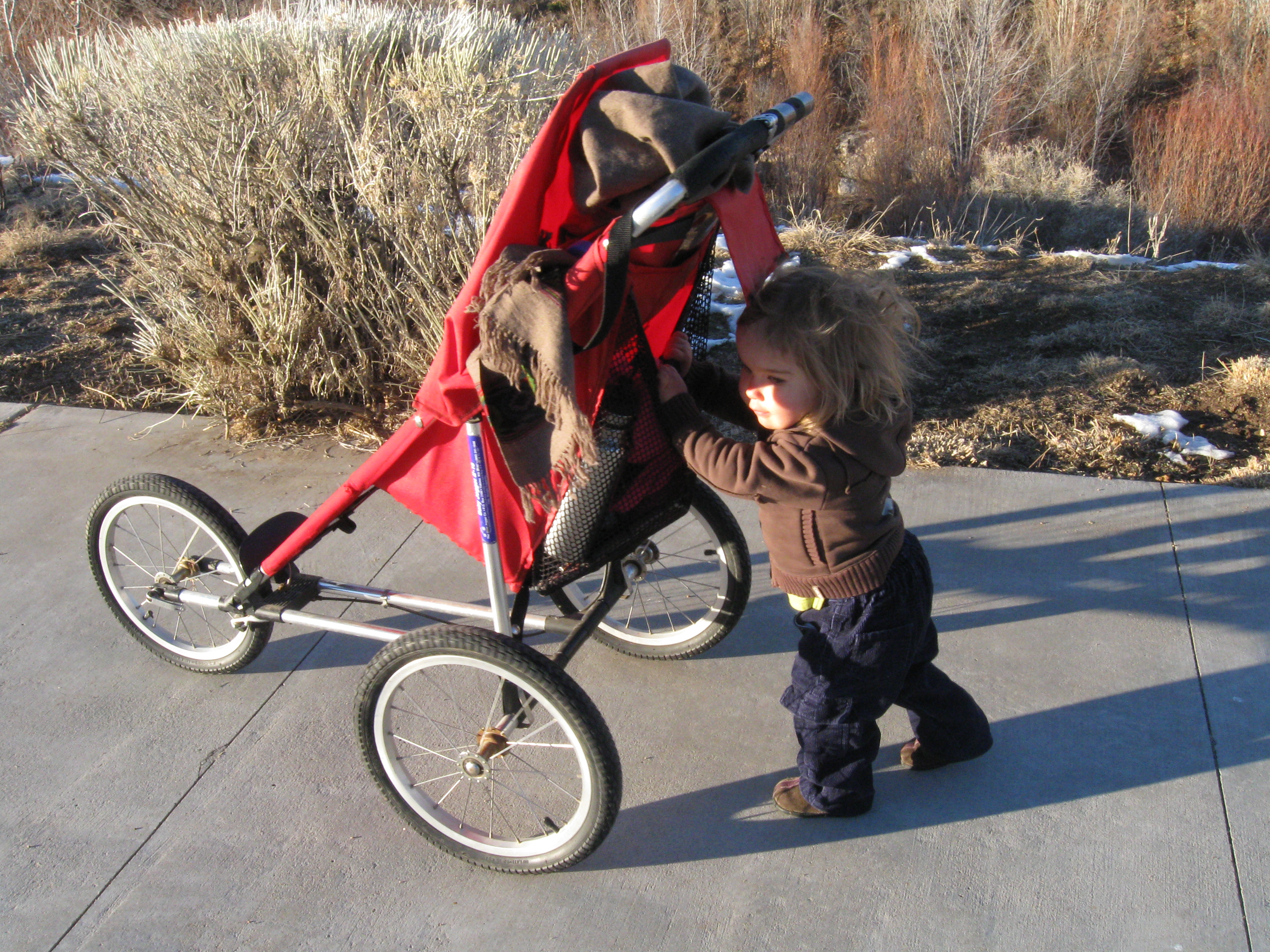
Other times my view is more like this. And I realize there really wasn’t anywhere we needed to go, after all.
My goal for this month’s change is to keep the car parked. Not always. We won’t miss playgroup. We’ll keep driving to the mountains whenever possible. Inevitably I’ll make at least one big trip to the grocery store with the car. But I do want to cut back and see how life opens up when I don’t just pop into the car all the time.
Here’s the plan: If it’s within a mile and a half of home, I’ll walk. If it’s farther afield, I’ll try to find a closer alternative, shrinking my orbit when possible. And when I want to go farther than I can walk, I’d like to take the bus. For a variety of reasons (it’s super lame, being the main one) I’ve only taken public transportation once in ten years of living in this town. But life has changed a great deal for me since that ill-fated outing. And if a stay-at-home mama with a little one enamored with busses can’t make it work, who can?
I have already noticed how this requires a whole new relationship to going out and getting things done. Often it means doing much less, not letting too many errands build up, making fewer stops, and sometimes just not getting things done with my usual efficiency. But since having a child, this is what I’ve been doing, anyways.
The last piece of the puzzle is to get the baby seat on my bike instead of E’s, and actually learn to comfortably and safely ride with a passenger and panniers so that me and my little compañera can get our bliss on all over town.
A new month, another new beginning. How are your small changes going?
 (photo by E.)
Again and again this is my fear: not so much of our being judged in the future as having been the last generation to possess the potential and the possibility–even if hugely diminished by the trajectory, momentum, and infrastructure of all the generations that preceded ours–to effect change of the most profound kind: not a change in knowledge, but in entire systems of logic, or even further, changes within the heart.
–Rick Bass
A change of heart or of values without a practice is only another pointless luxury of a passively consumptive way of life.
–Wendell Berry
When people ask me why we are taking this plastic fast, the easiest answers to articulate are the surface things. There’s our concern about the pollution associated with plastic manufacturing, the ocean’s plastic soup, the ramifications of a disposable consumer society, and the risks posed by plastics to human and environmental health.
But the truth is, I’m not doing this because of my concern about hormone disruptors leaching from the linings of tin cans (though I still think this is a good reason to avoid plastics, hormone disruptors are, sadly, so prevalent as to be unavoidable). It’s not because I think forgoing tortillas in plastic bags will save the lives of a marine turtle (my concern about the gyres is very real, but my contribution to it from New Mexico, where our rivers hardly make it out of town, let alone all the way to the sea, is negligible.) I am concerned about our plastic filled landfills contaminating ground water, but when we have plutonium waste up and down the other side of the watershed, it seems a bit nitpicky. So why plastic? Why bother?
Until I read the lines quoted above, it wasn’t easy for me to articulate the real reason behind our plastic fast. But it’s simple: We had a change of heart. Which changed our lives.
Yes, certainly — of course — we are undertaking this action as a symbolic protest and act of solidarity with the earth. But, as one of my pragmatic friends pointed out, plastic is not really the problem.
We are.
The reason we are doing this is because it was time to do something. Something more than we ever had before. Something we didn’t think was possible. Something that reflected our desire to live with less convenience and more intention. As in, intention that our grandkids will know we started waking up, and started changing our ways. Even in symbolic ways. Or especially in symbolic ways.
I know it is enormously overwhelming when we start thinking of all the things we think we should be doing, that we want to do. Where to begin? Where to end? (Is there an end point?) For us, plastic was the starting place. It could have been anything, really. But it was this. A small, simple action that nevertheless felt like a powerful way to change our lives. And it has, friends. It has.
There are hundreds of ways to kneel and kiss the ground, Rumi said. Same goes for living more lightly. All we need to do is touch our hearts, and begin.

 Kyce Bello