Homemade Crackers

(Oops, I accidentally posted this while still in draft form. Here’s something more coherent.)

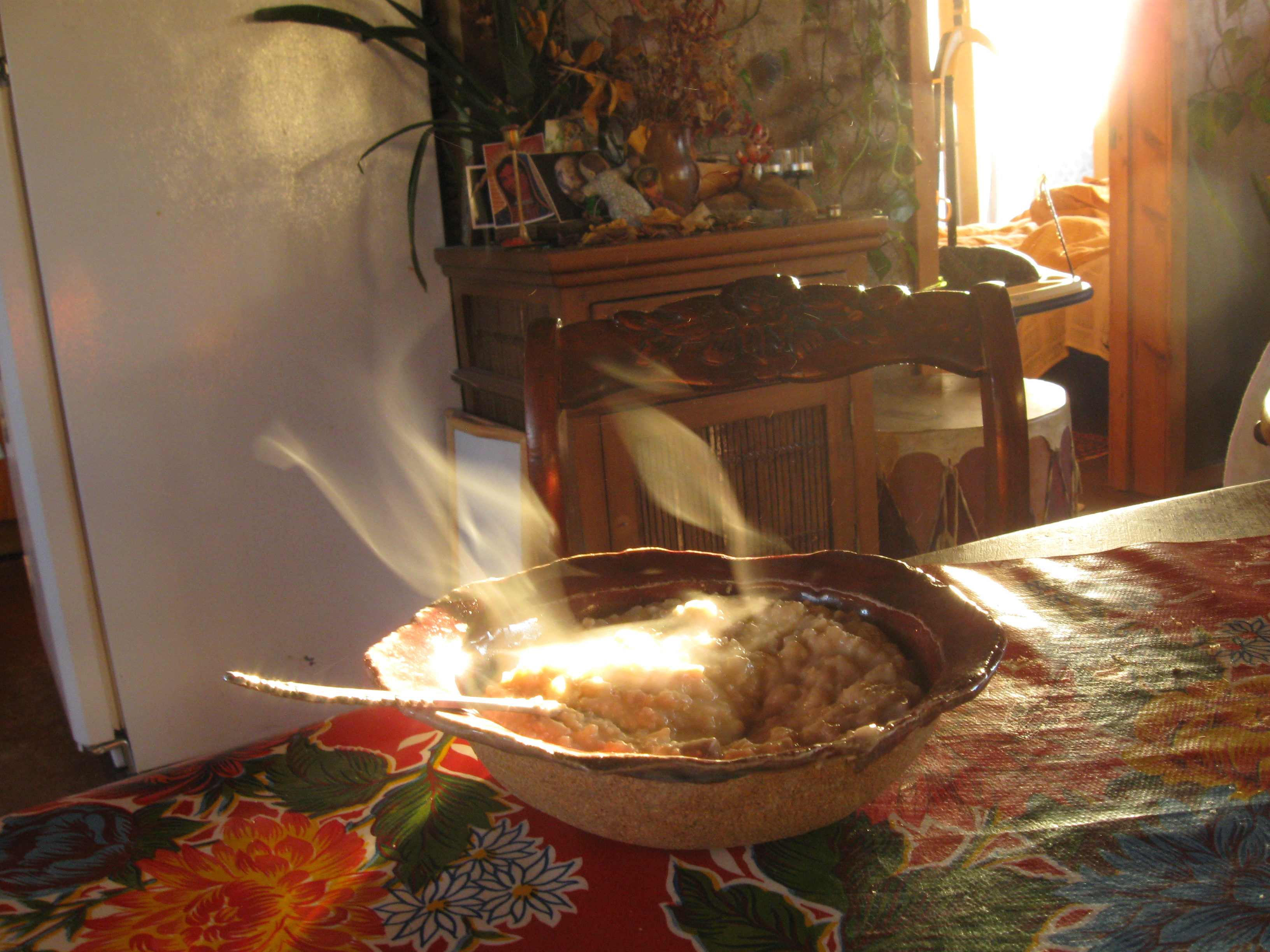
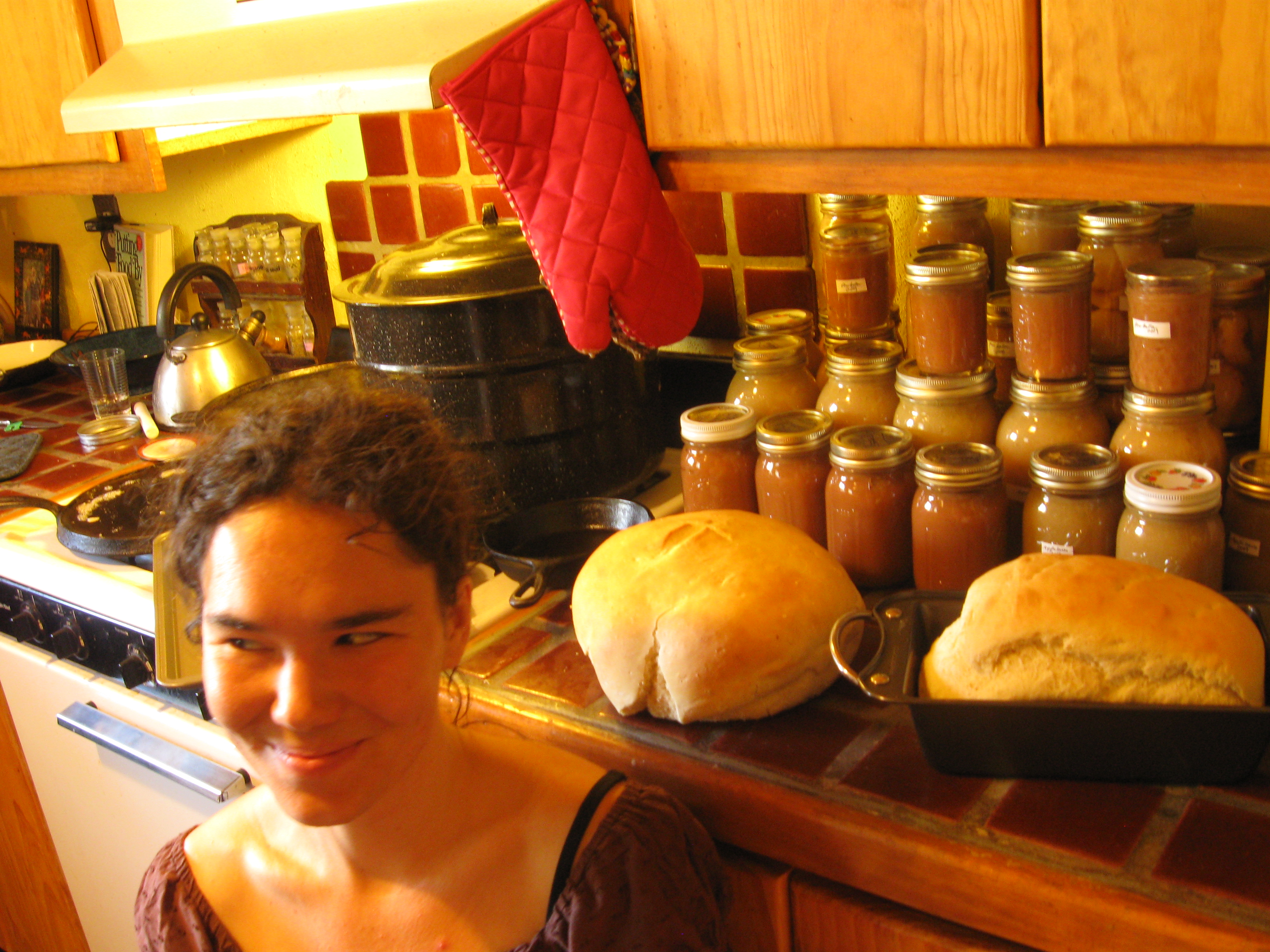
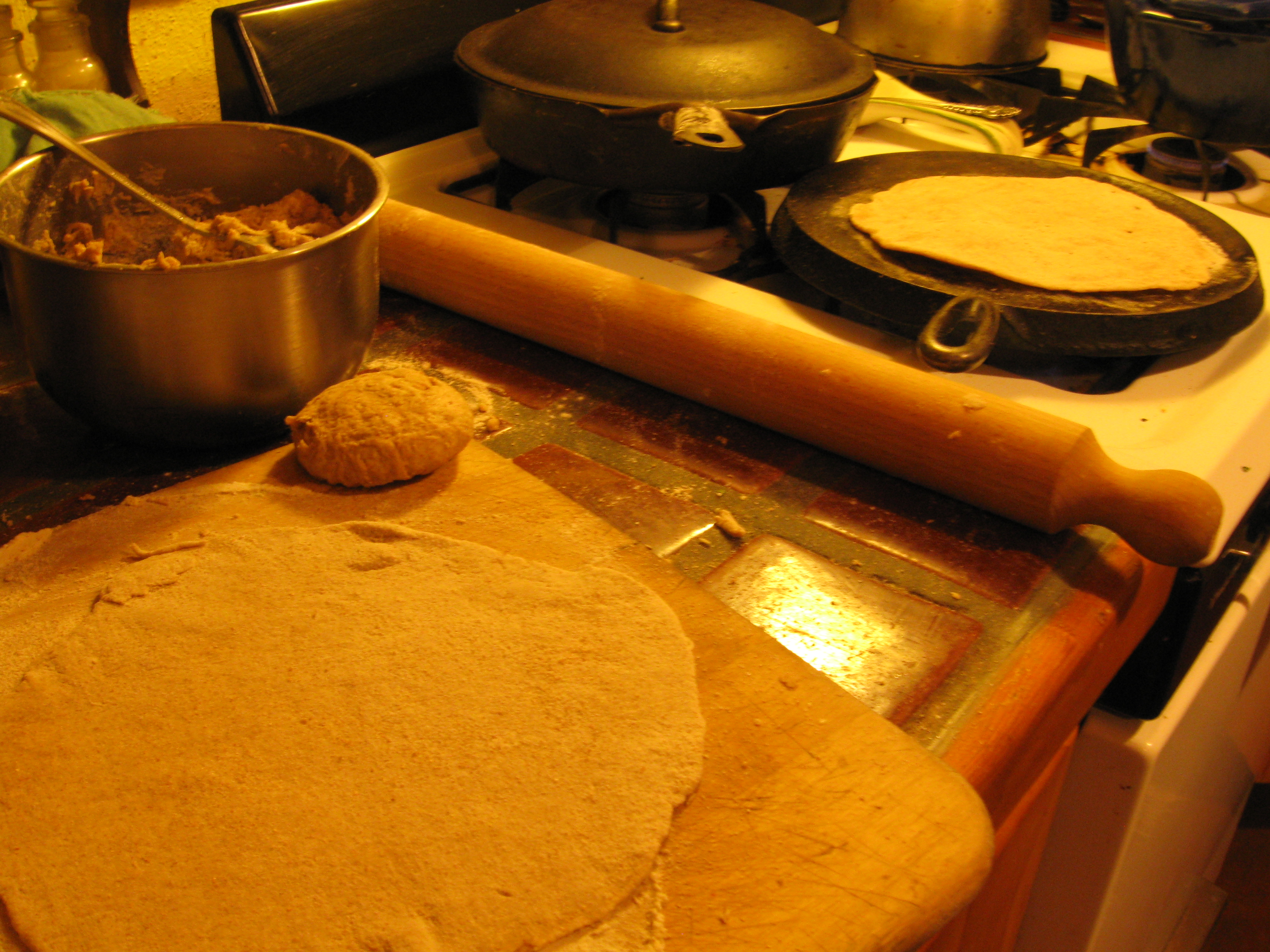
I had an epic day in the kitchen this week, mostly involving my big sack of New Mexican whole wheat flour. As the snow swirled down outside, I puttered away, making bread and yogurt, then two cherry-peach tarts (with frozen fruit from last summer), then egg noodles and goat milk ricotta for ravioli. I figured while I had the big sack of flour out and getting all over the place, and the oven roaring, I should make some crackers, which after our long deprivation, we seem to inhale by the dozen. It was a day of creativity and sustenance, the steady rhythms of measuring and mixing fueled by inspiration and an adventurousness that used to find its powder day outlet in the mountains rather than in the kitchen with flour flying everywhere.

::

Maybe crackers seem like an obvious thing to make from scratch, but to me they were a final frontier. So necessary, and yet so…impossible. Or did I think them boring? But they’re lovely and oh so simple (how could they not be given that so many other things that have no business acting like crackers often do?). Best of all they contain only the ingredients I actually want to put in, rather than all the white flour and cane sugar and what all the store-bought ones contain. It should also come as no surprise that they are cheap. This recipe is a simple foundation, a blank canvas for your culinary genius. No part of it is set in stone, and everything is up for adaptation.

Whole Wheat Crackers

Sift

2 cups whole wheat flour, or flour of choice. (I like to add in at least a 1/2 cup of cornmeal or rye. Adjust accordingly.)

3/4 tsp baking powder

1/2 tsp salt

blend

1/2 cup melted butter or oil

1 spoonful (you decide which spoon!) honey or molasses

2 Tbsp apple cider vinegar

About 1 1/2 cup of water, but not all at once.

Note: The right moisture content is key to happy rolling–add water in small amounts until the dough is smooth and elastic. My flour seems like a sponge, it takes in so much moisture (we’re all a little dry here in the high desert) so what works for me might be way too much for you. Do not attempt to roll out crumbly dough. It might make you cry in frustration and curse my name. If the dough becomes too sticky, sprinkle with flour.

Roll dough out thinly, and cut out with cookie cutters or into strips or squares.

They can bake at 400 degrees for 8-10 minutes, until golden. They might come out a little soft, but will turn crispy when cool.

Variations:

~ lightly press poppy or sesame seeds into top of rolled dough–we call these birdseed crackers

~replace water with apple juice and add a few dashes of cinnamon

~brush with olive oil and sprinkle on dried herbs and parmesan

~brush with egg and top with raisins and sliced almonds

~replace 1/4 cup butter/oil with 1/4 cup nut butter

~add a dash of  your favorite curry spices, and granulated garlic or onions

money bags: making more out of less

Since leaving my job as a nurse two years ago (on the cusp of giving birth to my daughter), I’ve become keenly aware of the fact that our family lives in a more earth friendly way on one income. Partly this is because I have time to do all the “green” things that one has time for as a hausfrau, and partly it’s because we plain don’t have money to spend on travel and new stuff and all the other things that are decidedly unhelpful to the planet. Either way, we are getting the hang of the whole live simply so others may simply live concept. And liking it.

The only trouble with was that we couldn’t afford it. Every month since Cora was born we’ve slowly but surely gone into the red, dipping into our small savings just to cover our most basic expenses. It was, you see, green and earth friendly, and yet ultimately unsustainable. I was looking down the road and seeing blue scrubs in my future.

For the record, I loved working as a nurse. But if I had to choose between the high stress of the hospital to a day of nursing my girl, soaking beans, walking to the store, and living fully, I’d take the latter. Hands down. If only the latter could make economic sense. Which I became determined to make happen. In essence, my job was to figure out how to make staying home pay. Clearly, just making yogurt and shampoo, while helpful, wasn’t enough. I had to get a firmer grip on our budget.

Funny enough, it took me awhile to see the answer sitting right in front of me. Here we were, discovering the richness of a life with less plastic, and I was still using my debit card for just about everything. So, I extended the no plastic rule to that magic little card. Thats right: less plastic, more cash. As with most of my brilliant discoveries, lot’s of folks have been touting this method for…ever. This post on the envelope system is quite helpful, and it’s basically what I’m doing now. For the first time since I said goodbye to a paycheck, we’re fully in the black. Just like that we were living within our means.

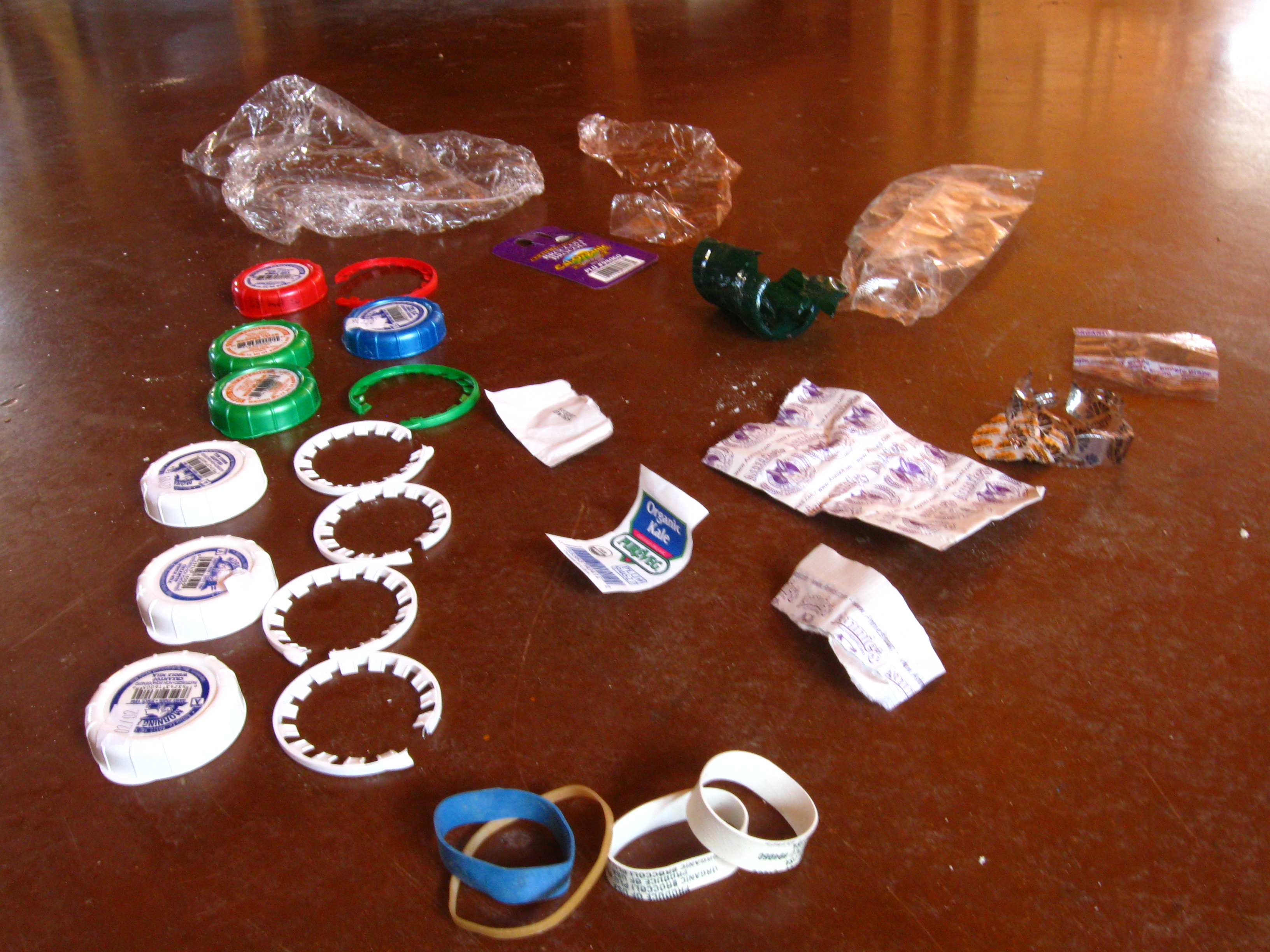
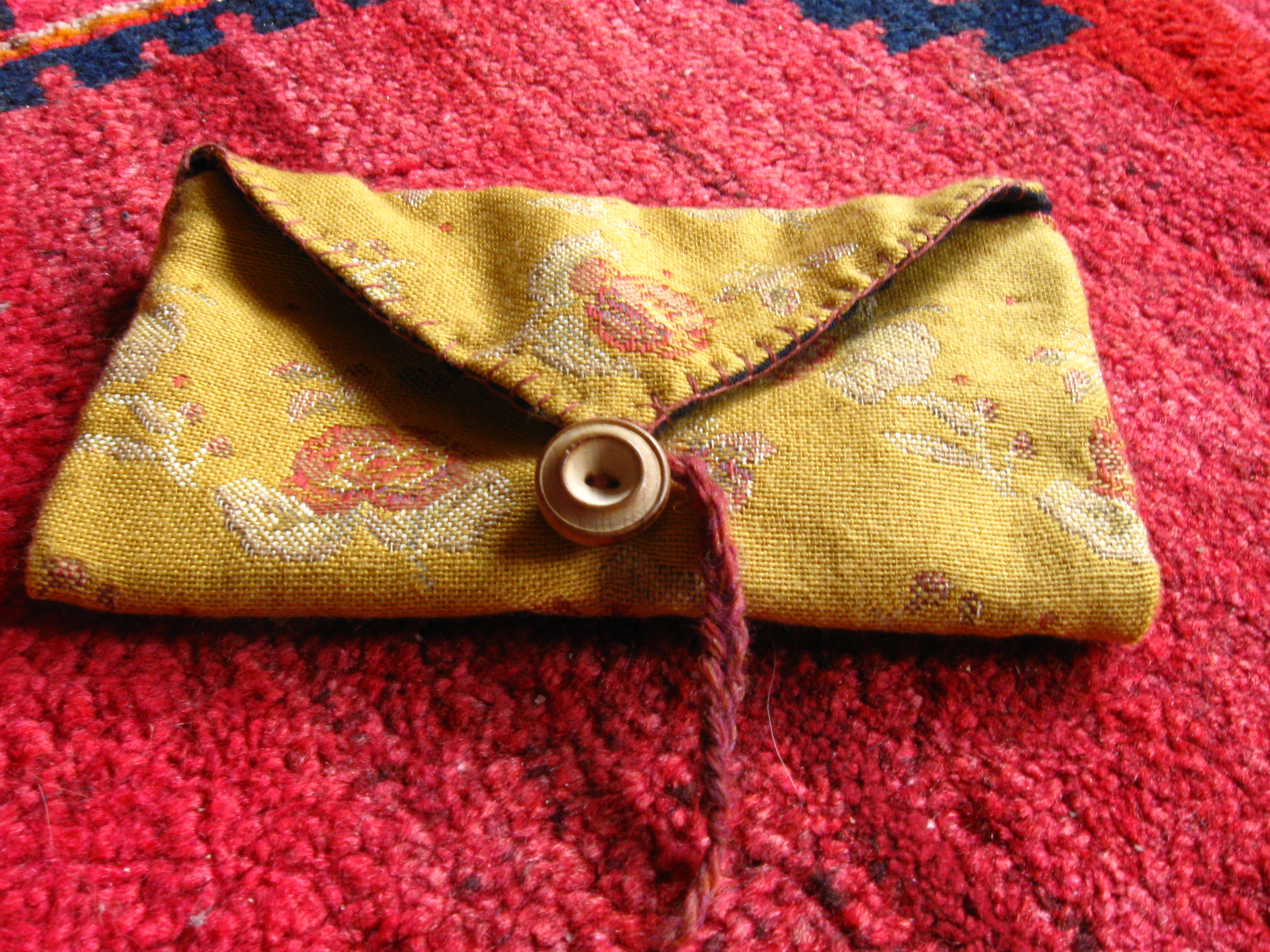
Shortly after I started divvying up cash for our different expenses, I found these tempting little cloth money envelopes. Don’t they just make you want to be frugal for the sake of cuteness? I wanted them so bad. But you guessed it: not on the budget. So then I thought, I could make those. And then I thought, no I can’t because I can’t buy (plastic) zippers.

Welcome to my world, folks.

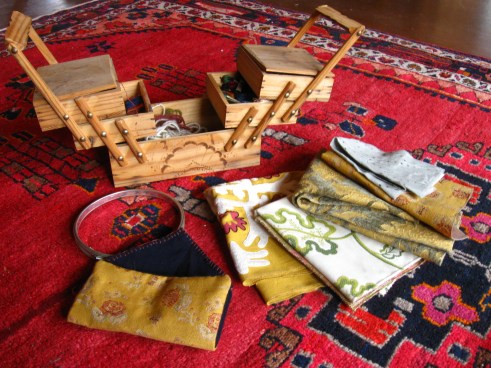
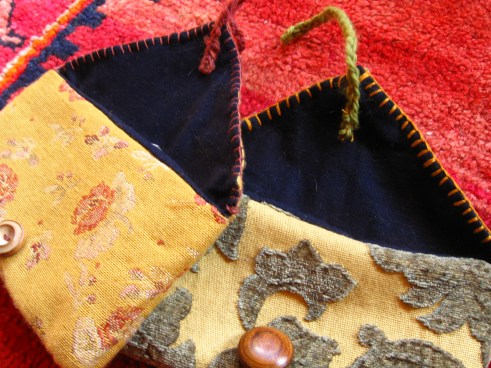
I might have been able to find metal zippers, and might even have figured out how to install them. I’ve learned that there’s almost always an alternative to plastic. In this case, it happened to be a couple little wooden buttons from my sewing box. And a bit of improvisation. Perhaps I’ll get to embroidering little labels like “gas” or “comida” on these purses, but for now I just like to pretend all the money in them is for yarn.

The pledge

When I first agreed to this plastic free scheme (despite my ever growing enthusiasm, it was my husband’s brain child) I thought we’d be lone eco-freaks filling our muslin bags at the co-op. To my delight, we are far from alone. So, so many of us are looking for ways to live less wastefully, inspiring each other to ever greater heights of eco-freakiness. Witness this here pledge from the Plastic Pollution Coalition. I like it. Especially the first bit about just saying no. That’s all it takes, folks. I promise you won’t go hungry. It might even be kind of fun. Try it for a day, a week, or as long as you like.

Single-Use Plastic Emergency Response (S.U.P.E.R.) Hero Pledge

I will follow the “4 Rs” of sustainable living in the following order of preference:

Refuse:

Just say NO to single-use and disposable plastics like bags and bottles, straws, cups, plates, silverware and razors. Instead, bring your own shopping and produce bags to the market. Carry a reusable bottle with you for drinking on the go. Bring your travel mug to the coffee shop. Pack your own utensils. Skip the straw. (Plastic straws are for suckers!) Bring your own containers for take-out or ask for non-plastic disposable packaging.

Reduce:

Reduce waste: buy in bulk, choose products with the least packaging, look for products and packaging made from renewable resources, and avoid plastic packaging and containers. Choose products that have the least amount of disposable parts, like razors with replaceable blades and toothbrushes with replaceable brushes.

Reuse:

Reuse preferably nontoxic (glass, stainless steel) containers and goods to make less waste. Bad habits are disposable, containers are reusable.

Recycle:

Recycle what you can’t refuse, reduce or reuse. Recycling is a last option because it uses energy, and there may not be a market for the refabricated materials.

Oh yeah. That’s what I’m talking about. Ready to sign on? Click here to take the pledge.

If you’re still not convinced that your actions can make a difference

you might enjoy this post from Fake Plastic Fish on Why Personal Changes Matters.

a moment of silence at the playground

I was at the park with my girl Cora talking with another parent. It was a brilliant day, cripsy with snow but warm in that way that New Mexico at midday in January can be. We were in good spirits, our talk bubbling with passion and humor while the kids played. We covered politics and parenting, restoration efforts on our local river, and, you know, Everything Else.

And then I blithely mentioned the gyres, the “patches” of floating plastic that are like loosely formed continents in all the world’s seas. My friend hadn’t heard about them before. He grew quiet. So did I. A moment of silence at the playground for the world’s oceans.

I remembered how I felt when I first learned about the Great Pacific Garbage Patch and others like it: Horrified. Overwhelmed. Helpless. Sick. It is a tremendous realization, that one, on par with understanding that we are in the midst of the Sixth Great Extinction, that climate change will not be reversed (sorry, the supreme court has me down), that we have caused irreparable damage on a scale we still don’t fully understand.

“Makes you realize that there’s so little we can do,” my friend said at last. I nodded. I’m no stranger to that feeling. For years I didn’t really do much at all because of how vast the problems seemed and how small I felt. So in addition to doing nothing beyond the small things I felt were enough–the convenient, affordable, and not requiring any compromise things like recycling, changing light bulbs, and hanging clothes on the line–I did one rather unsurprising thing.

I turned away from the suffering of the world. I turned away from my fear. I accepted that my smallness was valid, and let it hamper not only my thoughts but my actions. I blamed the government for its lack of will. I blamed the corporations for their insane greed. I blamed my fellow citizens for being what our culture has made us. So long as I maintained the story that I was helpless and passive, I felt safe from the blame.

I mean, I’ve known about the gyres for years. Years! When did I decide to do something about it? Three months ago. Will what I’m doing make a difference? Probably not. All along I’ve called our choice to learn to live with less plastic a symbolic action. An act of solidarity with the ocean. With the fish and turtles and birds. With the world’s poor who simply don’t have the choice to over-consume. With my grandchildren. It’s all of those things, but most of all it’s the best way we could think of to break out of our cycle of inaction, our belief that because there’s so little we could do, we didn’t really need to do anything.

It doesn’t matter, ultimately, if this small step can heal the oceans. What matters is our attempt to live in a way that is conducive rather than obstructive to that healing.

So I nodded understandingly to my friend. “There aren’t any easy solutions,” I said. “Just lot’s of good places to start.”

::

To learn more about the gyres, and find out what you can do, visit 5 Gyres or Rise Above Plastics, read an article or two, or check out the documentary Addicted to Plastic.

Plastic-free Homesteading

(Feeling pretty capable back in September. Oh, to be young and innocent again.)

A while back a friend asked me how the plastic-free homesteading was going and I said, “Great, between the dismal failures.” Yup, sometimes the pressure cooker stew burns or the bread comes out dense (or mutant, see picture) or the goat milk yogurt does whatever it does that doesn’t involve thickening. Maybe you are already thinking that none of these are failures – they are the signs of a fearless housewife embarking into an unknown country (the Olden Days, remember) and learning much along the way.

That’s right, I am. After a few months of figuring things out as I go, of occasionally melting down and wailing “this is supposed to make me happy,” of serving dal all week for dinner because I just couldn’t think what else to make (I know some of you do that on purpose, but gee whiz, enough’s enough), and of somehow persevering anyways because I made a vow but also because I had a hunch that less waste really could equal more joy, things are looking up.

These days, my bread is coming out positively artisanal thanks to the fabulous and foolproof no-knead method. My dinners are a triumph of creative simplicity (right, honey?). I’m saving the goat milk for cheese making, and using cow milk for the yogurt  because it’s tear proof (and cheap and comes in returnable glass bottles). All of this makes it a lot easier to have warm fuzzy feelings about “doing the right thing.” Which every day becomes less and less novel, and more and more just the way we live.

I know, I know, it looks like I’ve got things under control. But not to worry. I’m sure I’ll burn the soup again soon.

Rolling Rotis

I’ve been making tortillas/chapatis pretty regularly these days. More than anything else I cook, this recipe seems to fill my kitchen with helpful, if opinionated, spirits.

Here is what they say:

Mix flour, salt. Plenty of water makes for easy rolling.

A palmful of dough between the hands. Move it in slow circles.

I don’t know why, only that this is the way.

Reminds you of what a circle feels like

between two flour-dusted hands, maybe.

Activates gluten, maybe.

Ah, see. And you thought you knew what a circle was.

No matter. Good enough.

Lay them like chickadees in a neat row, covered with a cloth.

Or make your balls quick one at a time, rolling it out just seconds before laying it on the hot pan.

Careful of fingers on the skillet!

No. No spatulas. Are you a woman or a mouse?

Better to cook them too little than too much.

Keeps them soft, that’s why. I know they’re a bit raw. What do you want, a cracker?

When you flip it, take that dishcloth and push down on the tortillas.

Push! I thought you’d given birth, but this is how you push?

Makes the tortilla light, and airy. Airier, at least.

Simple. Salt, flour, water. Round ball, rolled ball. Hot skillet. Flip. Push! Done.

Two Songs and a Poem from Haiti

The aftershocks of death and collapse in Port-au-Prince have filled our hearts with the heaviness of what Haitian writer Edwidge Danticat calls the “layers of tragedy” – political and natural – that blanket the country. By now we have taken in the images of a grief stricken and devastated nation. We have heard about Haiti’s poverty and, hopefully, its history of exploitation by colonial powers (the root of that poverty).

I want to add to this outpouring some offerings of the life and vibrance of Haiti. Let our prayers be filled with the beauty Haiti has given the world from its “empty” coffers.

This song is ever so lovely, and this one conveys a bit of the Haitian experyans.

This poem is by the Haitian writer, Felix Morisseau-Leroy. Women’s Voices for Change writes, “read now, the poem stands as a caution to those who might try to generalize about those whose lives have been upended by the earthquake.”

Boat People

We are all in a drowning boat
Happened before at St. Domingue
We are the ones called boat people

We all died long ago
What else can frighten us
?
Let them call us boat people

We fight a long time with poverty
On our islands, the sea, everywhere
We never say we are not boat people

In Africa they chased us with dogs
Chained our feet, piled us on
Who then called us boat people?

Half the cargo perished
The rest sold at Bossal Market
It’s them who call us boat people

We stamp our feet down, the earth shakes
Up to Louisiana, down to Venezuela
Who would come and call us boat people?

A bad season in our country
The hungry dog eats thorns
They didn’t call us boat people yet

We looked for jobs and freedom
And they piled us on again: Cargo—Direct to Miami
They start to call us boat people

We run from the rain at Fort Dimanche
But land in the river at the Krome
Detention Center
It’s them who call us boat people

Miami heat eats away our hearts
Chicago cold explodes our stomach
Boat people boat people boat people

Except for the Indians—
What American didn’t get here somehow
But they only want to call us boat people

We don’t bring drugs in our bags
But courage and strength to work
Boat people—Yes, that’s all right, boat people

We don’t come to make trouble
We come with all respect
It’s them who call us boat people

We have no need to yell or scream
But all boat people are equal, the same
All boat people are boat people

One day we’ll stand up, put down our feet
As we did at St. Domingue
They’ll know who these boat people really are

That day, be it Christopher Columbus
Or Henry Kissinger—
They will know
us
We who simply call ourselves
People

::

Still with me? Feeling political? Check out this list of

ten things the U.S. can and should do for Haiti.

And Thank You Dr. Martin Luther King! May we ever and always strive to fulfill your vision.

Evening Walk

IMG_0011

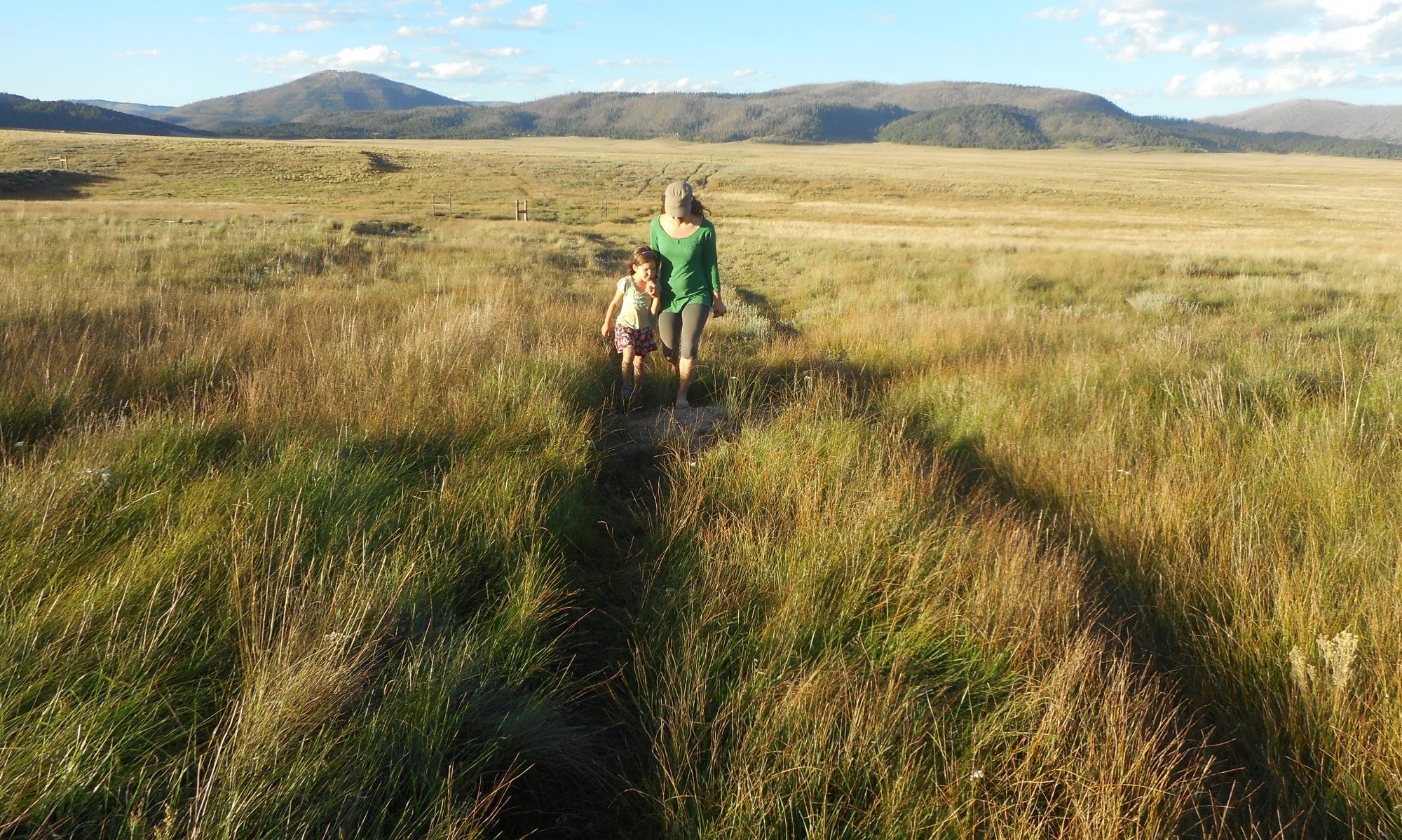
We take the slow route up the ridge

through the sparse clumps of dried grass, over rocks rouged by twilight.

At the top, instead of continuing on, looping down and around

in constant motion as if this were the only way

to ensure the next moment’s arrival,

we pause.

Stillness so seldom left to ripen on its branch

and fall of its own free will.

We sit on the bare spine of earth,

coyotes singing yip yi yi yi yiiii

as the horizon rises towards night.

IMG_0008

Recipe for Mid-Winter Tea

Mix what you have, what warms your spirit,

what feels true to the season.

I had:

Rosehips

Elderberries

Orange peel

Cinnamon

Calendula flowers

Pine needles

Mmmm.

A Proper Tea is much nicer than a Very Nearly Tea, which is one you forget about afterwards.  ~A.A. Milne