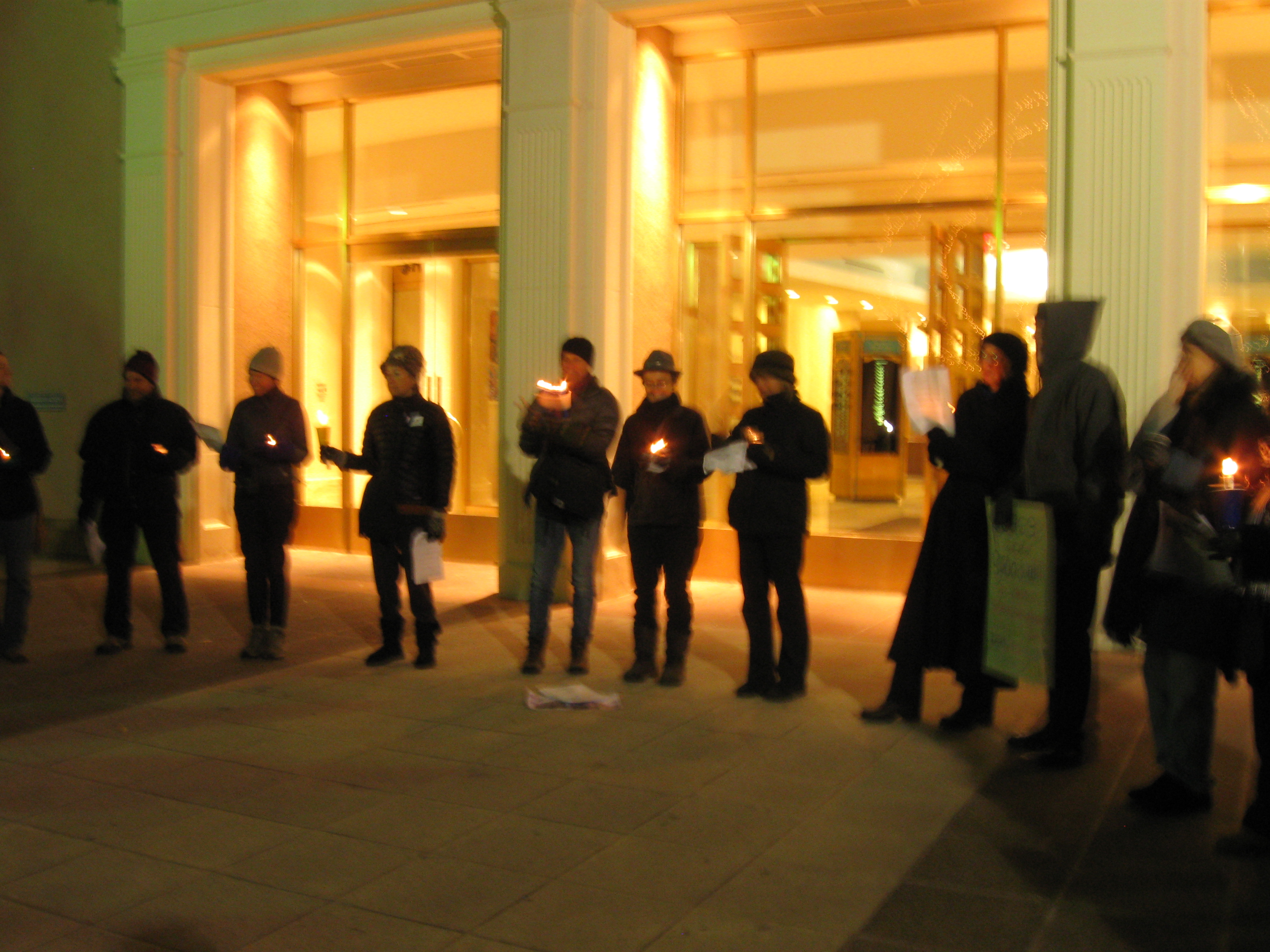
Hands

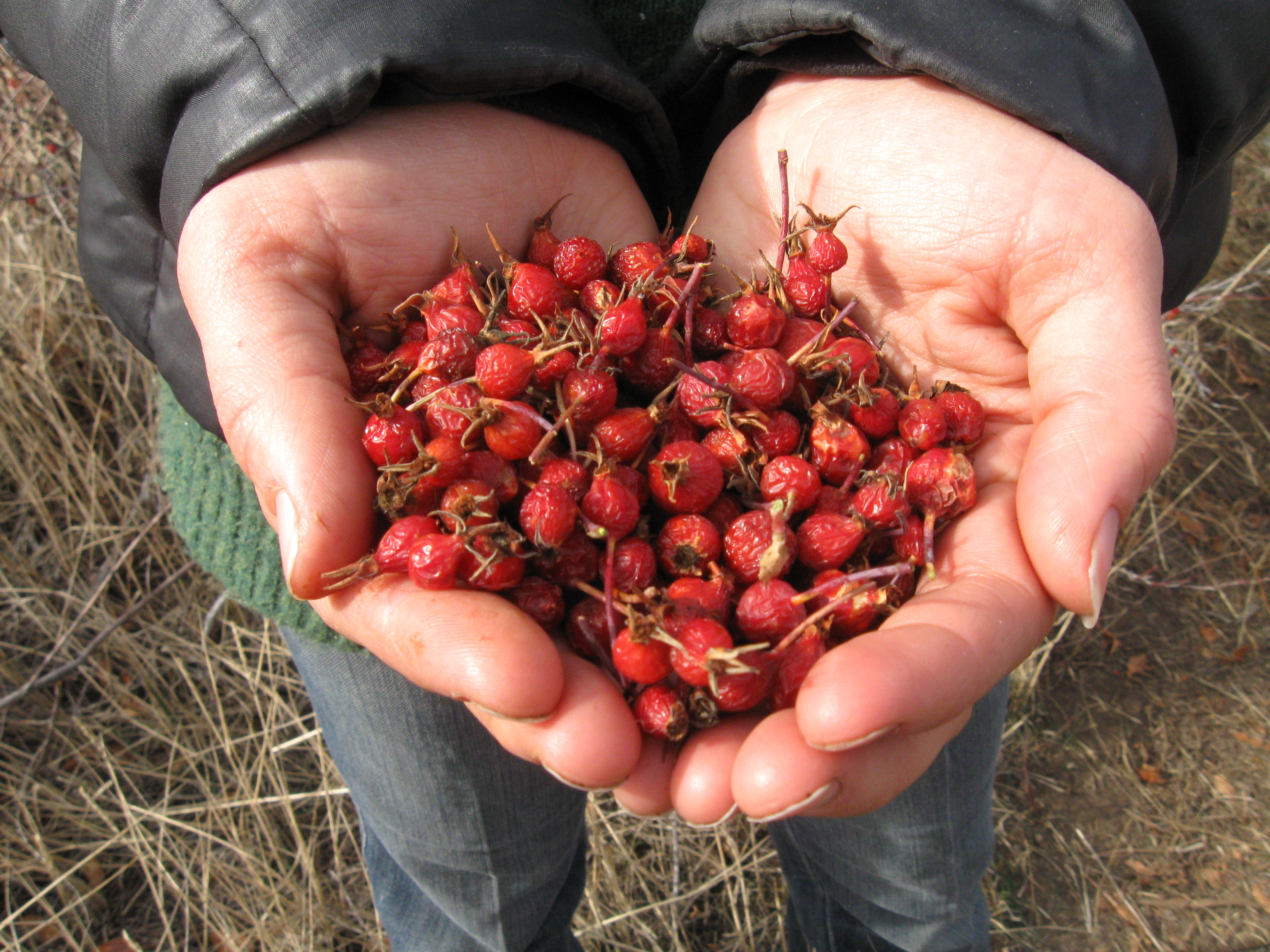
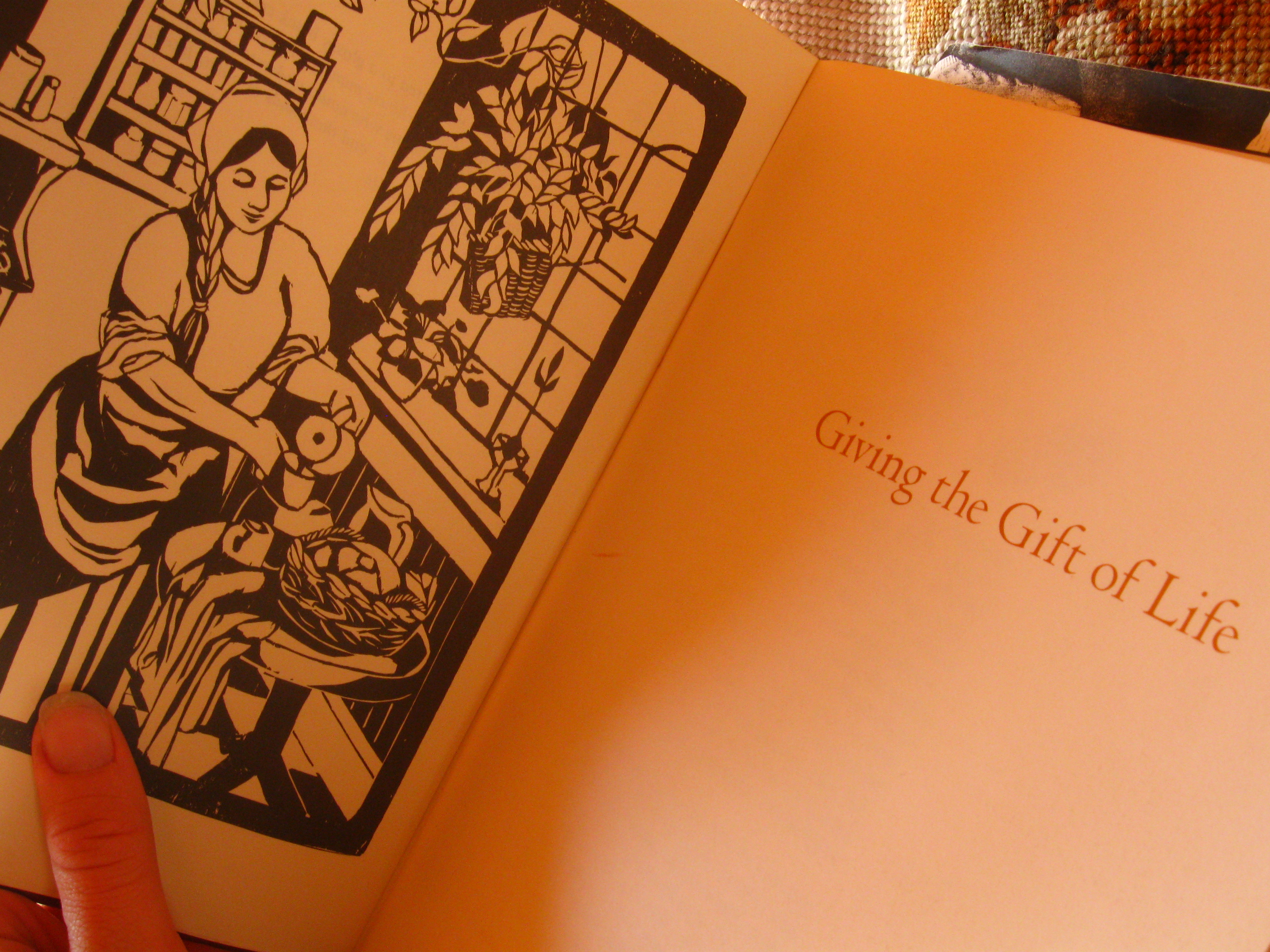
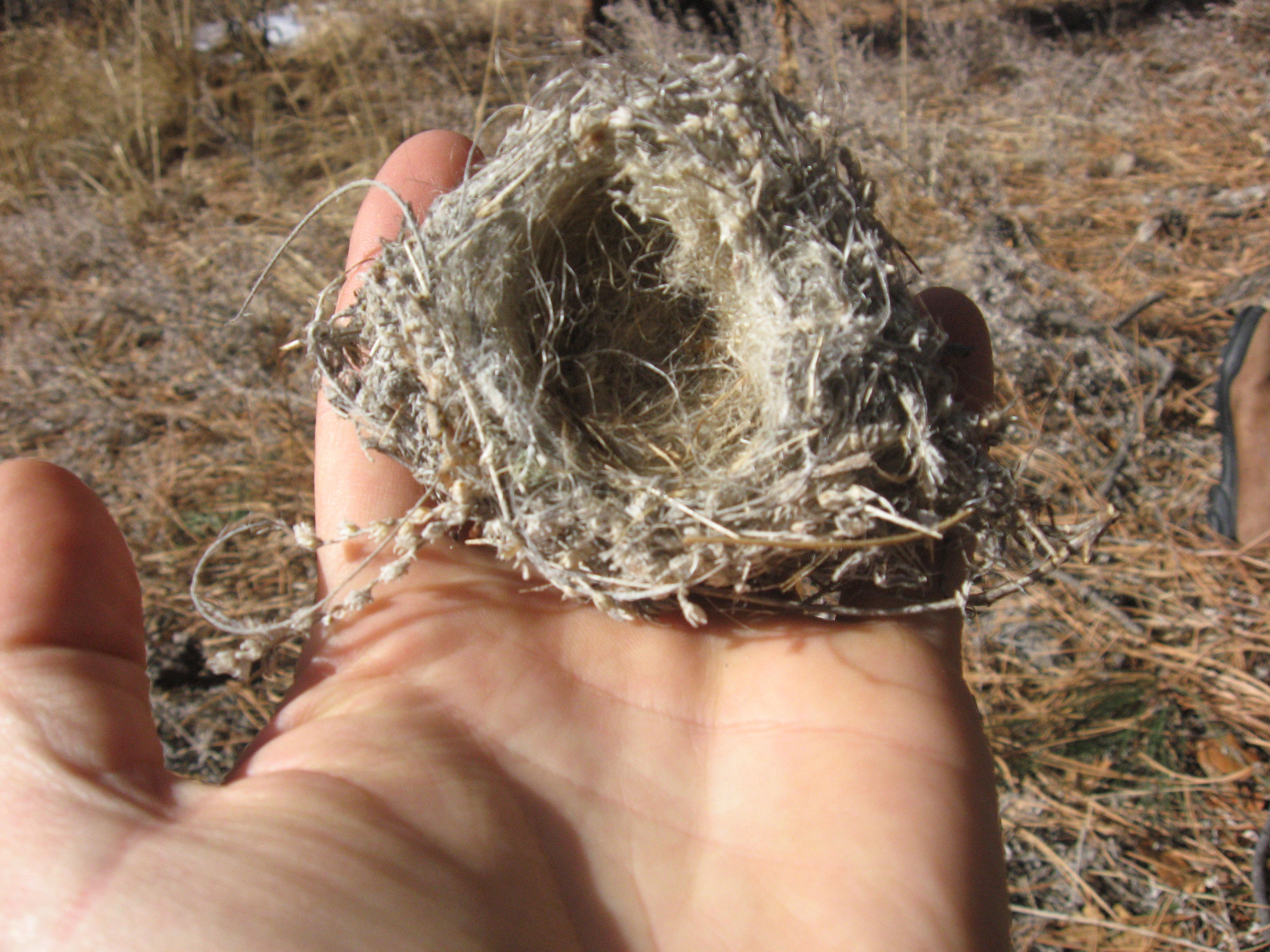
Forgoing the plastic wrapping that seems to blanket the earth these days has meant relying on our hands to provide the same basic foods and goods we only recently bought heavily packaged from the store. Lately my hands are my teachers, showing me all kinds of things I didn’t know I could do. Hands, in fact, seem to be the primary tool in a plastic free life. These days mine knead bread and stir pots, roll tortillas and express milk from goat udders, pick rosehips for tea, crochet scarf after scarf, and hang diapers on the line. If that sounds like Little House on the Prairie but with radiant heat floors and indoor plumbing, it is, and I love it.

I also like what Susan Lydon says of hand crafting in her book The Knitting Sutra:

“The sensation is almost impossible to describe (she writes),

as it occurs through the hands rather than the mind and is utterly nonverbal in nature,

but it feels as though invisible teachers were guiding your movements.

Perhaps it is not that at all but merely a connection to the collective unconscious

or a kind of ancestral memory common to us all …

you don’t know it’s there until you tap into it by accident,

with a particular motion of the hands, and then suddenly,

with an almost electric shock, the body remembers.”

What are you learning from your hands these days?

Toxic Plastic News Roundup

While I might sometimes question the benefit our decision to go plastic-free has on the planet’s health, there is no question that it is one of the most significant changes we can make to improve our own well-being. The growing mountain of evidence continues to show that despite its prevalence in our society, exposure to plastic isn’t always safe for us, and especially not for our children.

In November The Official Journal of the Society of Biological Psychiatry released a study linking phthalate exposure to ADHD in school age children.

Equally horrifying is this study by Environmental Health Perspectives that links prenatal BPA (Bisphenol-A) exposure to aggression in two year old girls.

For an article about how BPA has been shown to be present even in “BPA free” bottles, click here. I know we can’t escape the ubiquitousness of these chemicals, but it is upsetting to think that even when we think we are “safe” we probably aren’t.

Speaking of Bisphenol-A exposure, Treehugging Family reports on a study done by Consumer Reports showing how BPA leeches into many common canned foods, including organic ones.

So what is safe? I just can’t say anymore, especially after reading this icing on the cake piece about the migration of toxins from ordinary food packaging, like cheese.  The author of the study says, “even manufacturers of plastics do not know the full extent of chemicals that are present in their products.” So at least I know I’m not alone in my ignorance.

While BPA and phthalates are unavoidable completely, we can take a simple step to reduce our exposure to them: quit plastic. It will help keep your family healthy, and who knows, it might just help the planet, too.

Thanks to Life Without Plastic and Treehugging Family for leading me to these stories.

Just to be clear (b/c it’s not always obvious where the links are on this blog), the highlighted bold white words should take you to the studies I mention.

Introducing. . . Mamita

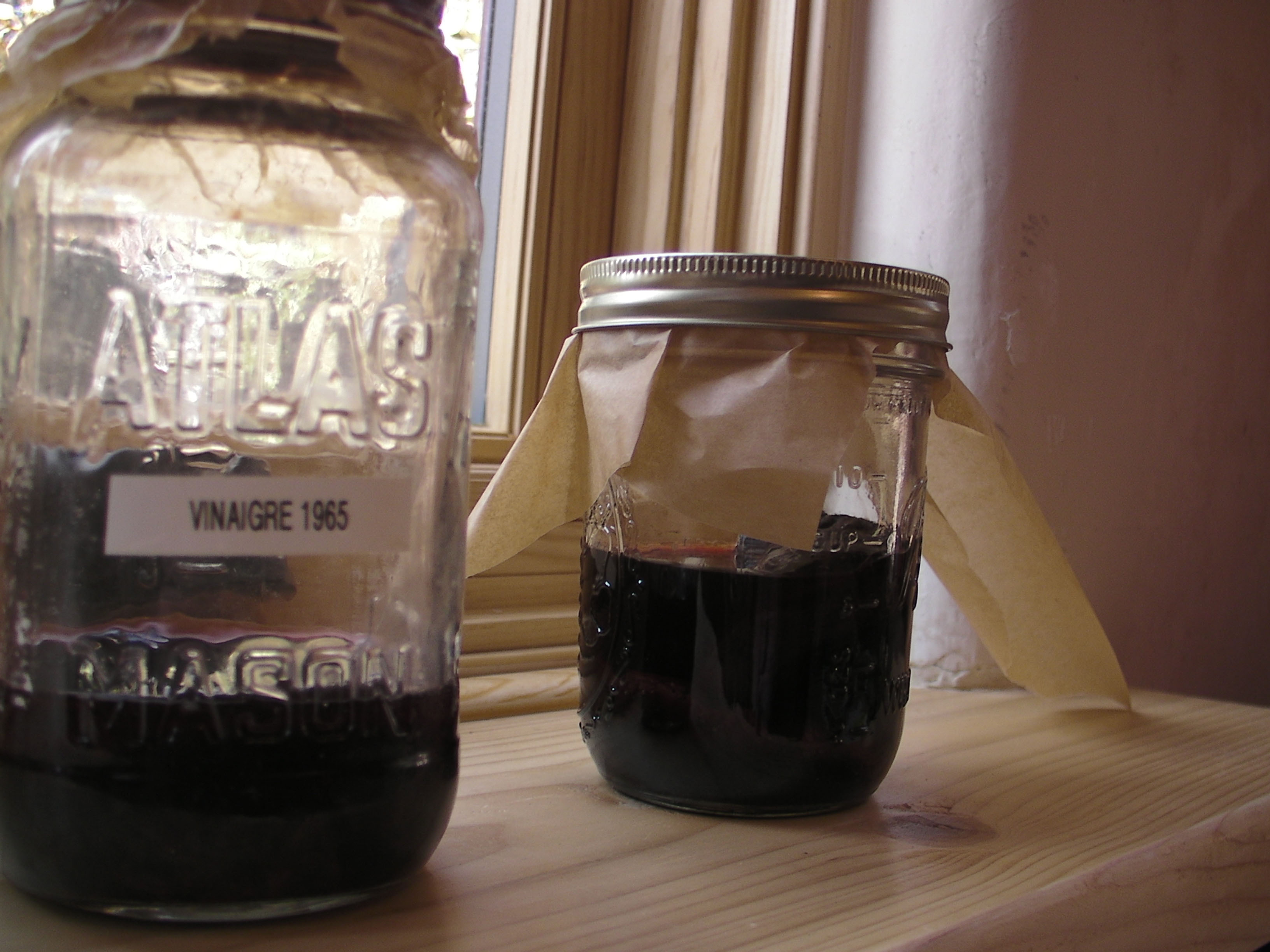
That’s the Little Mama on the right, offspring to the Grandmother who hails from a 1965 French kitchen. They’re red wine vinegar, potent and rich, filled with the flavors of decades of nurturing and countless glasses of leftover wine. Some friends gave Mamita to me most generously, the Grandmother brew passed down in their family through the generations.

Do you see that blobby bit popping up out of the vinegar in the little jar? That’s the Mother of Vinegar, which Wikipedia says is a “substance composed of a form of cellulose and acetic acid bacteria that develops on fermenting alcohol liquids,” and basically turns them to vinegar. Think of kombucha and you can imagine what the Mother looks like. In time, daughters grow and can take charge of their own vinegar.

I brought Mamita right home, gave her an honored position on the top shelf of the cupboard, and declared we had to have wine with dinner in honor of the newest member of our family. Of course I shared the leftovers with her, and she’s happily topped off.

I love having food in my kitchen so alive – so sentient! – that it demands a name. Take care of me, Mamita, and I’ll take care of you. For a long, long time.

1/20/10: Just found this very comprehensive post on making/maintaining vinegar. Enjoy!

Fierce Hope

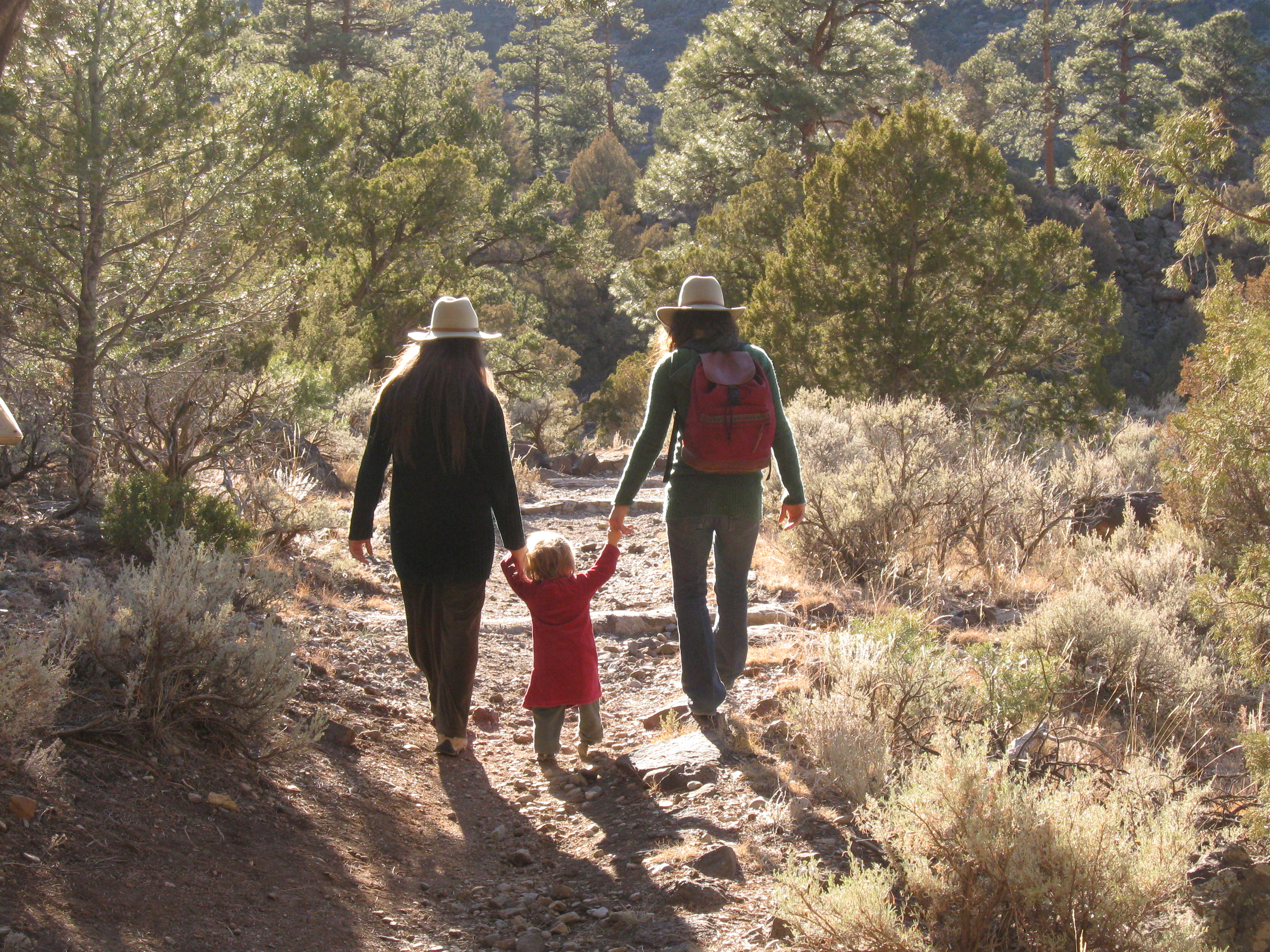
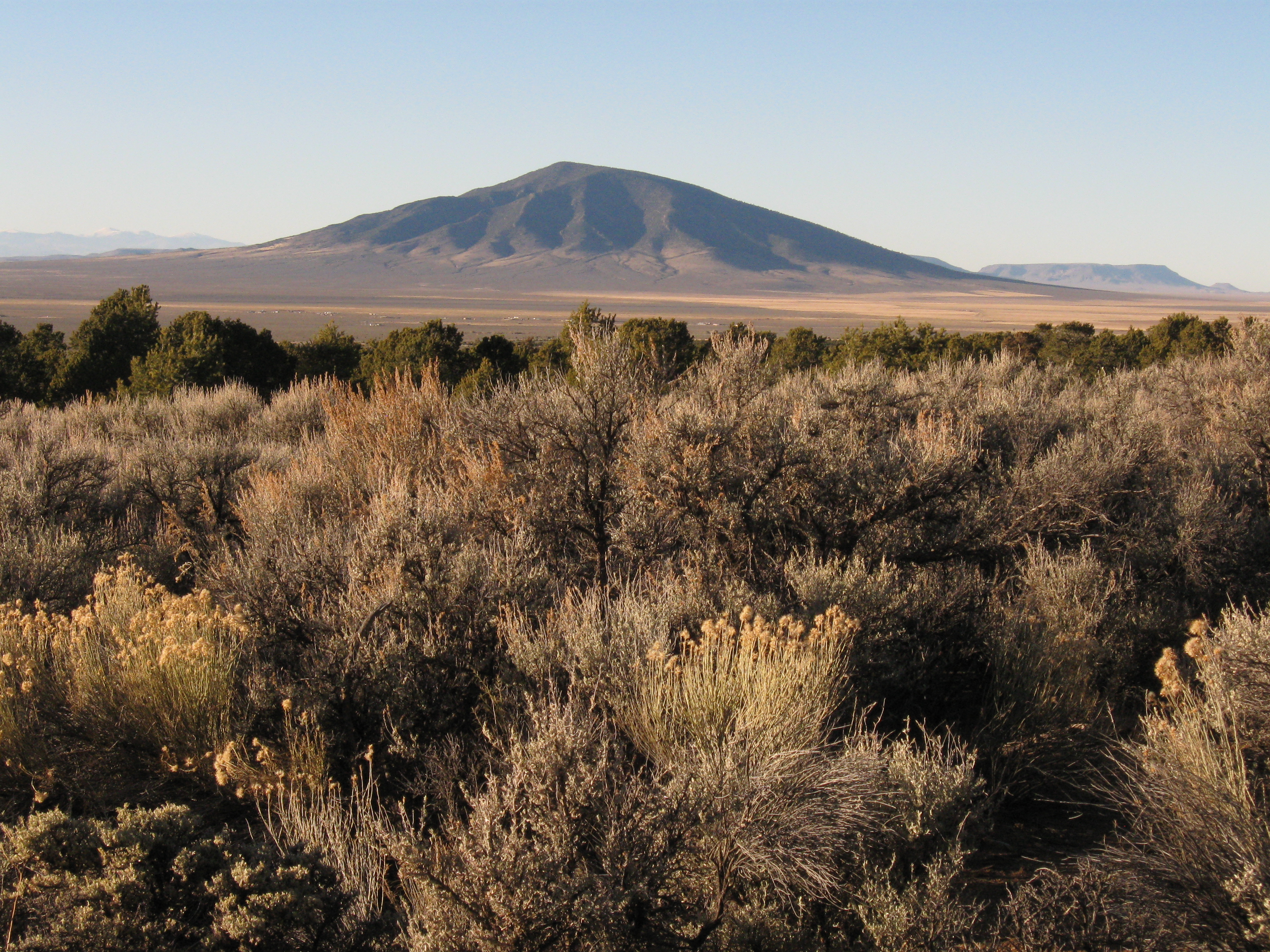
We spent Thanksgiving with my folks at their house on the edge of the mountains. Watching my parents with their first grandchild, my daughter, made me hope with all the power in my body that my own grandchildren know a world as beautiful as the one we live in. And that they can look forward to sharing the ponderosas and magpies, the rivers and coyotes and the smell of sage with their descendants.

But all that fierce hope isn’t going to bring future about. Did you hear the news last week that climate change is “accelerating beyond expectation” while the percentage of Americans who believe global warming is happening has fallen from 80% to 72%? We can hope all we want that this situation gets turned around, but without personal action to feed that hope we can easily succumb to the dangerous side of hope: complacency.

Hoping that the UN or scientists or the president or environmentalists will do the right thing and steer humanity back into a sustainable balance, is, well, hopeless. We can’t just hope that a better day is coming. We’ve got to make sure that is does. It’s up to us to face the abyss (yep, it’s bleak out there), and then lift our hands to act anyways.

It’s up to us to reclaim our humanity, to do everything in our power and sometimes more to live in balance. We must choose, over and over and over, to be careful about what we buy and eat and throw away and even what we do, so that the least harm is inflicted on the planet. And then we can hope. Hope with our whole hearts that all that will make a difference.

If I’m lucky enough to meet my daughter’s children, or their children, I want to be able to tell them that I lived with them in mind. That I bled, sweat, and cried to change my unsustainable ways. I’ll tell them how my hope that all that work would pay off was what got me out of bed each day, looking for the simplest, most effective and heartfelt solution I could find to the daunting task at hand.

For suggestions on small and large things you might invest your hope in click here.

Praise

The broken pot, the burnt meal,

the family gathered, the family scattered.

Praise the hunger and praise the bounty

Praise the crooked trail that gets you there

or nowhere.

Praise the anger and the hope,

the beauty and the fear.

Praise the hands lifted and able.

Praise the call to live this good life

gratefully, carefully,

wakefully.

Circling Back Around

I consider myself pretty handy in the kitchen. These last weeks though, when it comes time to fix dinner and I face a cupboard full of whole grains and dried beans and a fridge with a few jars of goat milk and muslin sacks of in-season veggies like turnips and kale, I find myself at a bit of a loss.

It was instinct as much as luck that, looking for help, I found the old hardback copy of Laurel’s Kitchen my mama gave me when I left home. Over the years, this classic made its way to the bottom of my stack of cookbooks. No more. All my efforts to reinvent the wheel of simplicity and zero waste have circled me back round to the original movement to do just that. These women figured it out before I was even born.

While modern food politics have rendered some of their glowing recommendations obsolete (soy spread? better butter? wheat germ? yogurt from milk powder? no, no, no, no!) the heart of their approach is timeless. They cover everything from crackers to sprouts to pudding in the simplest way possible, and their ingredients call for fresh, whole foods. Just like the ones that had recently taken over my kitchen.

But lots of cookbooks do this. Some of them with much better recipes. What sets this one apart is that what those ladies were cooking up in Laurel’s Kitchen circa 1976 was a revolution. They speak out about excessive consumption, poor nutrition, the power of the homemaker to transform society, and the extent to which we waste the world’s resources at the cost of our humanity, not to mention the ecological balance of the planet. We have the power to impact all of this, they reminded me, from our humble kitchens.

And then I had to stop reading, because the beans really needed to get soaking.

The Personal is Political

Thoughts on Symbolic Action: Part One

“WOULD ANY SANE PERSON think dumpster diving would have stopped Hitler, or that composting would have ended slavery or brought about the eight-hour workday, or that chopping wood and carrying water would have gotten people out of Tsarist prisons, or that dancing naked around a fire would have helped put in place the Voting Rights Act of 1957 or the Civil Rights Act of 1964? Then why now, with all the world at stake, do so many people retreat into these entirely personal “solutions”?”

So begins Derrick Jensen’s provocative article on personal versus political action in a recent issue of Orion Magazine.

Maybe Jensen’s call to large-scale action is actually filled with subliminal messages that inspire personal change, because since I read it and began a mental argument with it I’ve taken the plunge into actively reducing my footprint. Have I ever for a minute thought that my efforts, so enormous to me yet impossibly miniscule to the planet, would actually make a difference beyond the walls of my home? Not really. But the funny thing is, they do.

Our decision might be symbolic in that it is a mere drop in the churning ocean of politics, economics, and social inequalities that contribute to the systematic destruction of the planet. But like the oak groves that can’t be blown over because of their intertwined roots, our small action is strong because it is linked to all the actions that came before, and all that will come after. It has its origins in the work of the thousands of individuals – be they peacemakers, defenders of nature, fighters for social justice, or parents and teachers – whose convictions changed their own lives and grew outward from there.

No matter how insignificant I might feel some days, I am not alone. You’re here with me, too, after all. And countless others, across the planet and stretching back into history, when so many other great struggles were triumphed over. I agree wholeheartedly that we all need to do much, much more than we are. For me, though, the challenge isn’t to transform “the system” but our smallness in the face of it. Despair and isolation are what we really need to rise up against. Hope and imagination, and faith in their power to overcome the most powerful odds, those are the seeds of symbolic action. Once that seed begins growing in our hearts we are well on the way to changing our lives, and the world we inhabit.

What we then feel led to do, in our communities and beyond, well, we can take that path when our feet reach it. For now I’m like so many others, just walking. I’ve left the land of my complacency, and set out with no other aim but to find the way to my own truth, and maybe even a better world. And from there, who knows. Total system overhaul, we can hope.

So, Mr. Jensen. Good points but here’s your major mistake (to paraphrase Margaret Mead): Doubting that a small group of ass-kickers can change the world. Haven’t you heard that that’s the only thing that ever has?

And how dare you underestimate the power of composting.

Getting By

So far nobody has asked us why we’re taking a plastic fast. Seems to me that we’re not alone in wanting to clean up our act. What we get asked about is exactly how it is we plan to get by without the substance that seems to be literally engulfing the planet.*

Good question. A few weeks ago, I couldn’t have begun to answer it. I was busy filling my cart with what looked good, had a USDA organic label on it, and was cheap. Yep, that included a lot of plastic wrap, bottles, tubs, and bags. No doubt about it: food is at the crux of our plastic habit. Maybe that’s why it seems so difficult to “live” without it. I’ve done some thinking since then. And started making changes, some of them so simple I’m embarrassed it took a vow of abstinence to implement them. From easiest to most challenging, here’s the general program:

:: If we can find an alternative to plastic, we get it. This means simply choosing the product packaged in paper or glass (metal lids a bonus), or sold in bulk. It does occasionally take an additional twenty seconds of scanning the shelves before finding the plastic-free item in question.

:: Lots of things we’re learning to make from scratch. Mostly for the fun of it. But also because we can’t live without yogurt, tortillas, ricotta, and cookies.

:: A few things we’ll have to compromise on, like toothpaste caps.

:: Some things (like tortilla chips) we’ll have to go way out of our way to get (from the burrito stands that make them fresh).

:: And some things we’ll do without altogether.

So far we seem to be getting by just fine, with the unexpected side effect of eating healthier than we have in years. Our food is fresh, whole, and, more than ever before, local. Got suggestions or questions? Holler, please.

*In the movie Addicted to Plastic it is estimated that there are 46,000 pieces of plastic for every square mile of ocean, and that the ratio of plastic to plankton is 10:1.

Mending

a small potty that has been warmed by many a wee bottom,


a student bass snapped at the neck for over a decade

…what is broken shall be reborn…

(Many thanks to the Man with the Capable Hands.)