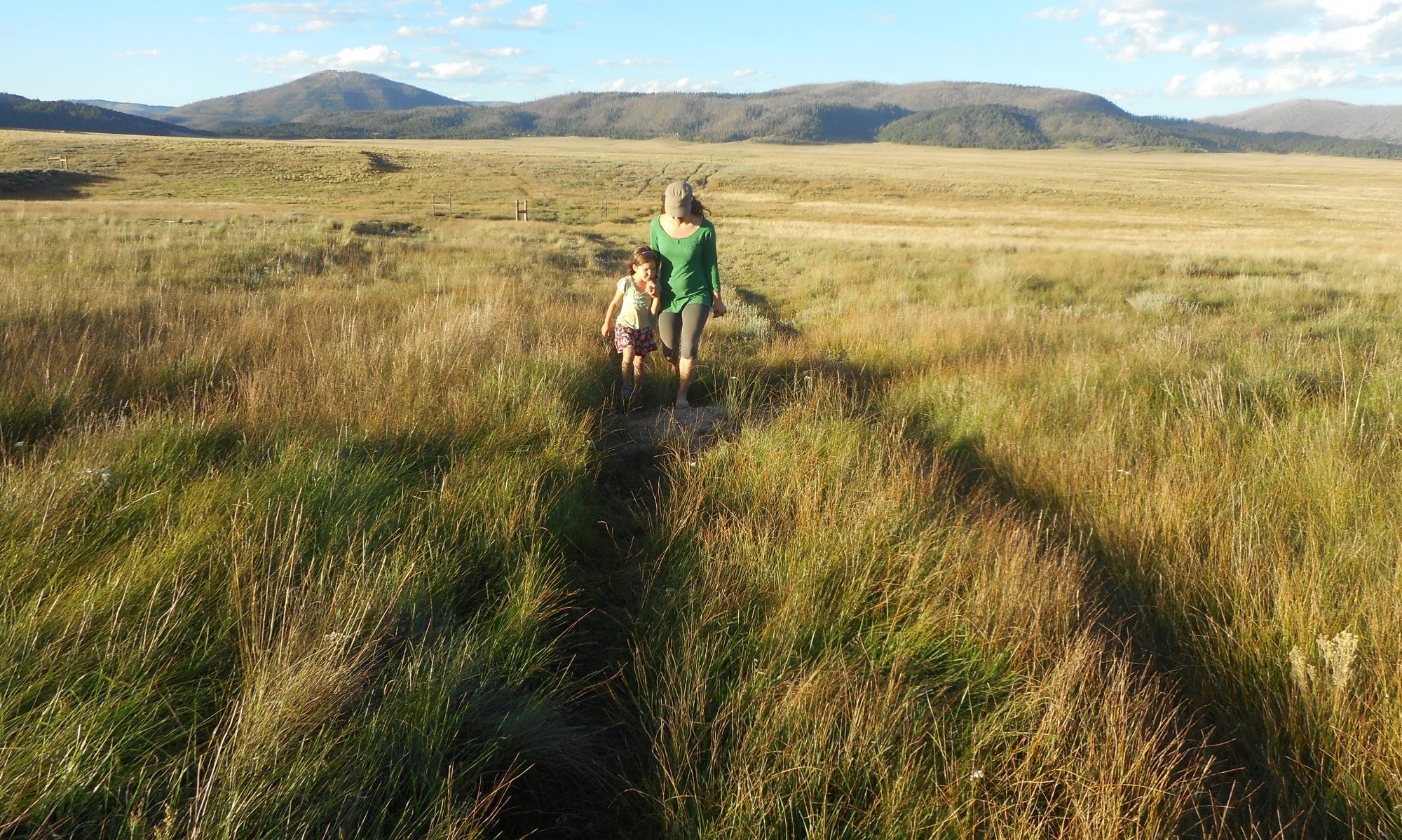

So far nobody has asked us why we’re taking a plastic fast. Seems to me that we’re not alone in wanting to clean up our act. What we get asked about is exactly how it is we plan to get by without the substance that seems to be literally engulfing the planet.*
Good question. A few weeks ago, I couldn’t have begun to answer it. I was busy filling my cart with what looked good, had a USDA organic label on it, and was cheap. Yep, that included a lot of plastic wrap, bottles, tubs, and bags. No doubt about it: food is at the crux of our plastic habit. Maybe that’s why it seems so difficult to “live” without it. I’ve done some thinking since then. And started making changes, some of them so simple I’m embarrassed it took a vow of abstinence to implement them. From easiest to most challenging, here’s the general program:
:: If we can find an alternative to plastic, we get it. This means simply choosing the product packaged in paper or glass (metal lids a bonus), or sold in bulk. It does occasionally take an additional twenty seconds of scanning the shelves before finding the plastic-free item in question.
:: Lots of things we’re learning to make from scratch. Mostly for the fun of it. But also because we can’t live without yogurt, tortillas, ricotta, and cookies.
:: A few things we’ll have to compromise on, like toothpaste caps.
:: Some things (like tortilla chips) we’ll have to go way out of our way to get (from the burrito stands that make them fresh).
:: And some things we’ll do without altogether.
So far we seem to be getting by just fine, with the unexpected side effect of eating healthier than we have in years. Our food is fresh, whole, and, more than ever before, local. Got suggestions or questions? Holler, please.
*In the movie Addicted to Plastic it is estimated that there are 46,000 pieces of plastic for every square mile of ocean, and that the ratio of plastic to plankton is 10:1.




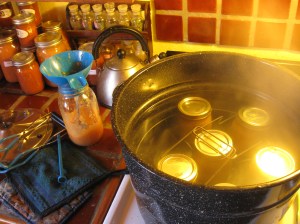 I didn’t learn to can food from my grandmothers. That knowledge came from books and mentors, was pulled from the great Out There where such wisdom resides, waiting for whomever comes looking. From these women I inherited my eyes and nose, a hefty dose of sentimentality, and faith in the unseen. When I think of the generations of grandmothers stretching back into time, it makes me a bit dizzy, as when I gaze up at the Milky Way and try to fathom how big the universe really is. Each ancestor in my lineage–and yours, too–faced unique challenges on both the personal and cultural level. Like us they found ways to celebrate, to love their families, and to forge onward. A few nights ago, when the moon was bright and fat through the apple branches, I put a serving of dinner out among the fallen leaves. I spooned a helping of apple sauce made from that very tree on top, and said a short prayer of thanks. It went like this: Thank you, thank you, thank you for this good life we lead. May we use it well.
  Kyce Bello