How to be an Extreme Eco Housewife in Just a Few Hours a Week

Or something like that.

First things first: what’s the hurry, anyways? What’s up with all the short cuts and schemes that allow us to live our hectic, busy lives while getting even more done? In truth, slowing down, making room, spending more time off-line, and taking the time for these things is its own reward and its own path to being a super eco-groovy human being.
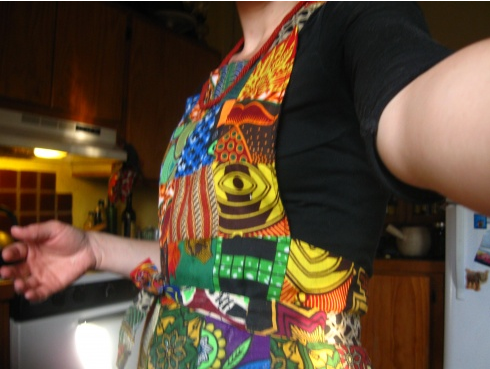
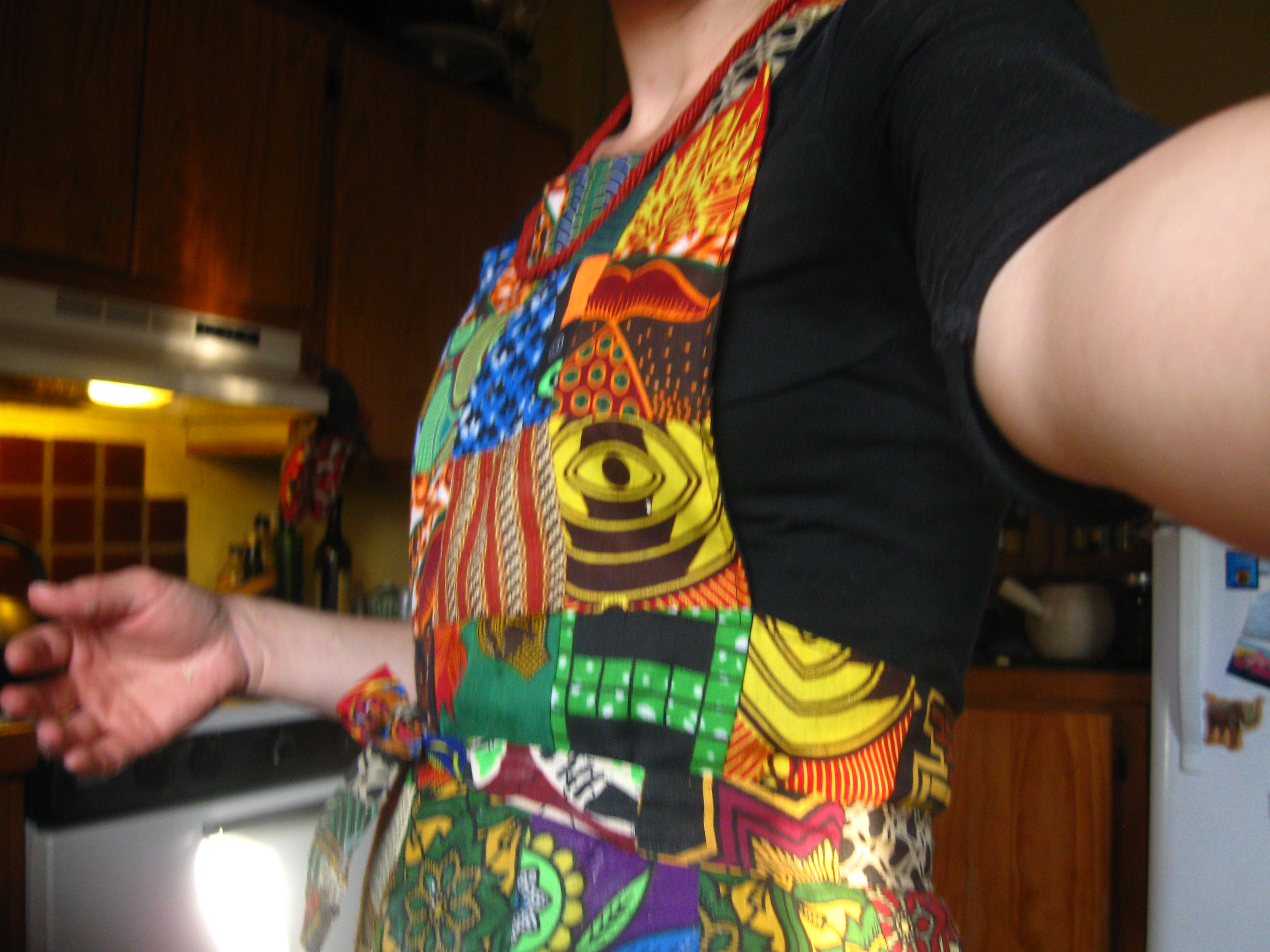
Still, some of us work. Some of us want to make art or take walks or go to school. Some of us have children that are tired of a mother whose idea of playtime is rolling tortillas.

I’m writing this post in response to folks that mistakenly think that living the way we do is a full time job…for me, the housewife. I do think of it as my work–my bread labor. But I’ve found that it doesn’t take much extra time to do the basic sustenance part of life. In fact, sometimes I feel like a hunter gatherer with plentiful leisure time. Even when I worked outside the home I cooked pretty wholesome meals everyday.  I don’t spend much more time at it now. It’s taken practice, surely, to get to the point where so much cooking from scratch is just part of the rhythm of our days, so go slow if just starting out. In fact, go slow no matter what.

Anyways, for what it’s worth and off the top of my head–

Beginning

::Choose one or two of the things that you currently purchase to try your hand at making. This might be bread, yogurt, crackers or tortillas, granola, cheese, body care items, or any infinite number of ordinary items from greeting cards to sweaters. Start with one and as it becomes familiar and effortless, add the next one. These are all pretty much way easier than I ever imagined back when I was convinced they had to be store-bought.

::Don’t go it alone. Combat isolation and fragmented communities by inviting a friend to teach you a new skill, to learn one you’ve mastered, or to fumble your way to success together when both figuring something out for the first time.

Maintaining

:: Dedicate a morning each week to prepare the staples needed for that week. After the busyness of the weekend, I love spending Mondays at home, messing around the kitchen doing whatever needs doing.

::Invite your girlfriend and her brood over to share that kitchen morning with you–talk and talk, and before you know it everything’s done, including clean up. Remember to make enough for both families. Alternatively, each of you could choose an item or two to make at home, and then swap yogurt for bread for sauerkraut.

:: Make double or triple batches of everything. You knew that! Make yogurt two quarts a time. Freeze cracker and cookie dough and pie crust. I often make extra brown rice and beans, two slightly more time intensive staples around here, and freeze them in meal sized portions in a tiffin. We don’t rely on them regularly, but when we need a quick meal, they are infinitely helpful.

::Don’t ever, ever, run out of flour. Everything else you can live without, but keep that sack handy and half full! In fact, try to keep ingredients on hand, but don’t run to the store until you really need to. Amaze yourself and your family by what can be made out of cabbage, frozen chicken stock, and an onion.

Bread

::The popular no-knead / 5 minutes a day bread making method isn’t for everyone. But if you have some kind of thing against buying bread products in plastic bags, as we seem to, you might consider putting a picture of it’s creators up on your kitchen altar. I always double the recipe. It keeps fine for two weeks in the fridge, though no matter what I do ours runs out after a week. It is lovely to have the dough on hand for bread, rolls, naan, english muffins, or whatever the occasion calls for. All it takes is a little time to rise before cooking, and for naan not even that. This might seem like one of those short cuts that deprives us of the simple pleasure of kneading, and the flow of traditional bread making, but it is, frankly, awesome.
Dinner

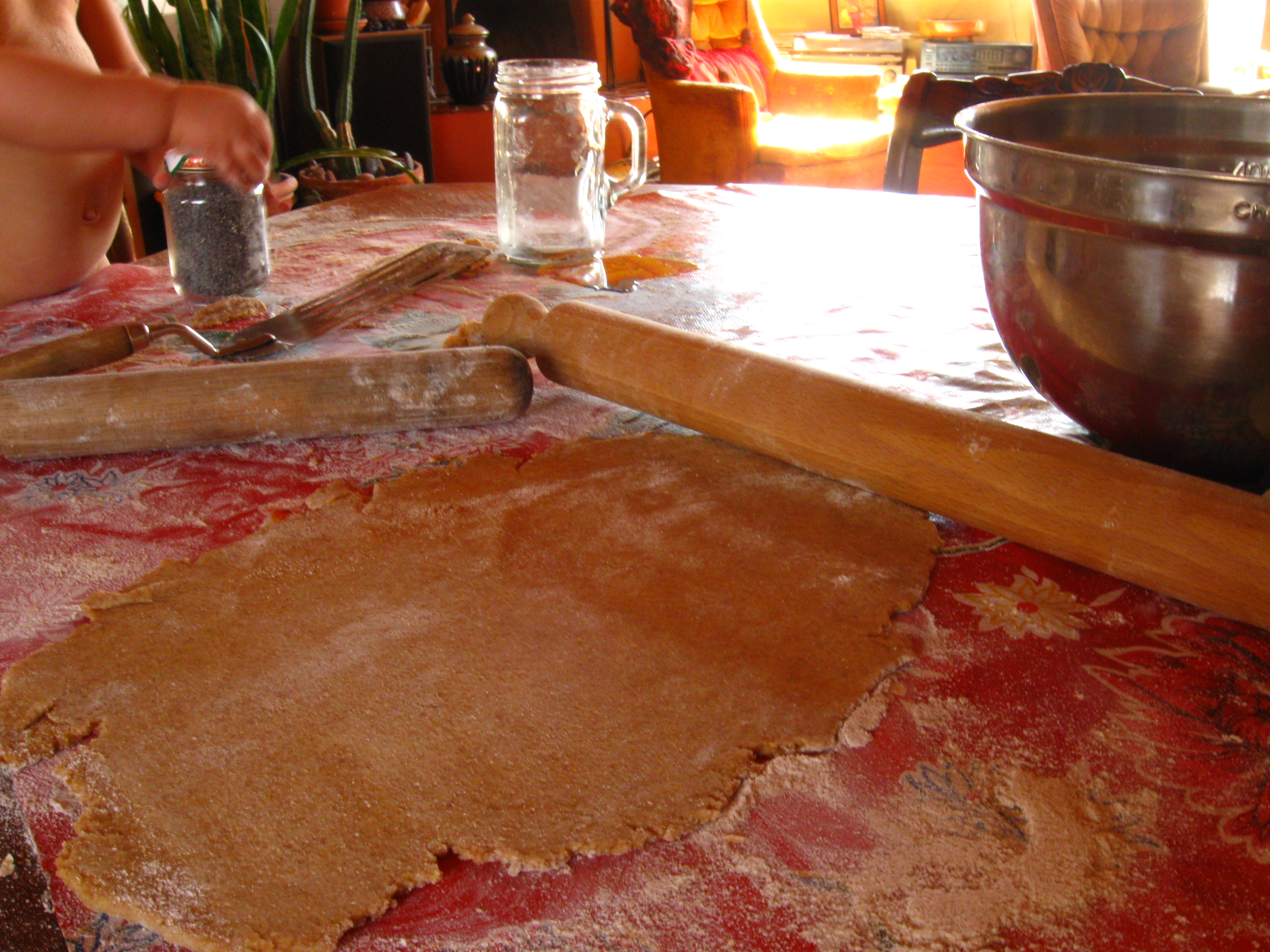
::I’m not the most sophisticated menu planner, though I see how helpful it is to plan ahead just a little when it comes time for the grocery store. I think more in terms of two major meals each week, and aim for ones that will provide versatile leftovers that can become either a repeat or a whole new thing. The roasted chicken is a great one for that–come the end of the week there’s soup to make from the carcass. Alternatively, I also do a pot of beans or dal most weeks, and that provides a good basis for lunches or simple week night meals that I can doll up in minutes. I’ll make the tortillas for the week while the rice and lentils are cooking, and call it dinner.

::Cook a little bit all throughout the day rather than saving everything for 5:00. If you’re making quiche, do the pie dough in the morning. If you’re making enchiladas, make the sauce or tortillas in advance.

::While I love preparing complex meals from scratch, simplicity is so, so delicious. Save the fancy stuff for Sunday dinner. And then go all out.

::When you run the oven, pack it. On my baking day, I make sure to have as many of the following as I can reasonably do: bread, crackers, pies, chicken, potatoes, squash, etc.

::When putting away clean dishes, set the table, even if dinner’s hours away. I used to wonder what napkin rings were for, but love Soulemama’s idea of having a different one for each member of the family so that napkins can be used repeatedly by the same person until truly in need of a wash. I suppose if you don’t have napkin rings, a mismatched set of napkins would work, too.

Laundry

::When Adrie started washing her family’s laundry by hand I was blown away. I have no desire to follow in her footsteps, but I am much, much more aware of whether something is really dirty before throwing it in the hamper. Like, I have to see/smell it and it’s bad before I wash it.

::Always hang laundry on the line. This is a time saver because it gets you outside, twice, and from there it’s no trouble to just keep on walking.

Childcare

::If you have just one little one, stick her in the shower with you. Yes, this does eliminate the eco-friendly possibility of shaving with a straight razor, but saves water and time. Unless you savor the time to knit beside the bathtub while someone splashes water all over. Then do a bath everyday.

::Hair brushing: I think once a day is plenty. Do it five minutes before being seen in public.
Houeskeeping

::Unless there is no alternative, avoid using nap time for housework or cooking. That time is for you alone, Mama. Don’t give it up to the endless tides of sweeping the floor and washing dishes.

::When the house is clean, leave. Go away. Go make a mess somewhere else. Come back only when you can’t stay away any longer.

How do you run your household without letting it run you?

Desert Wildcrafting

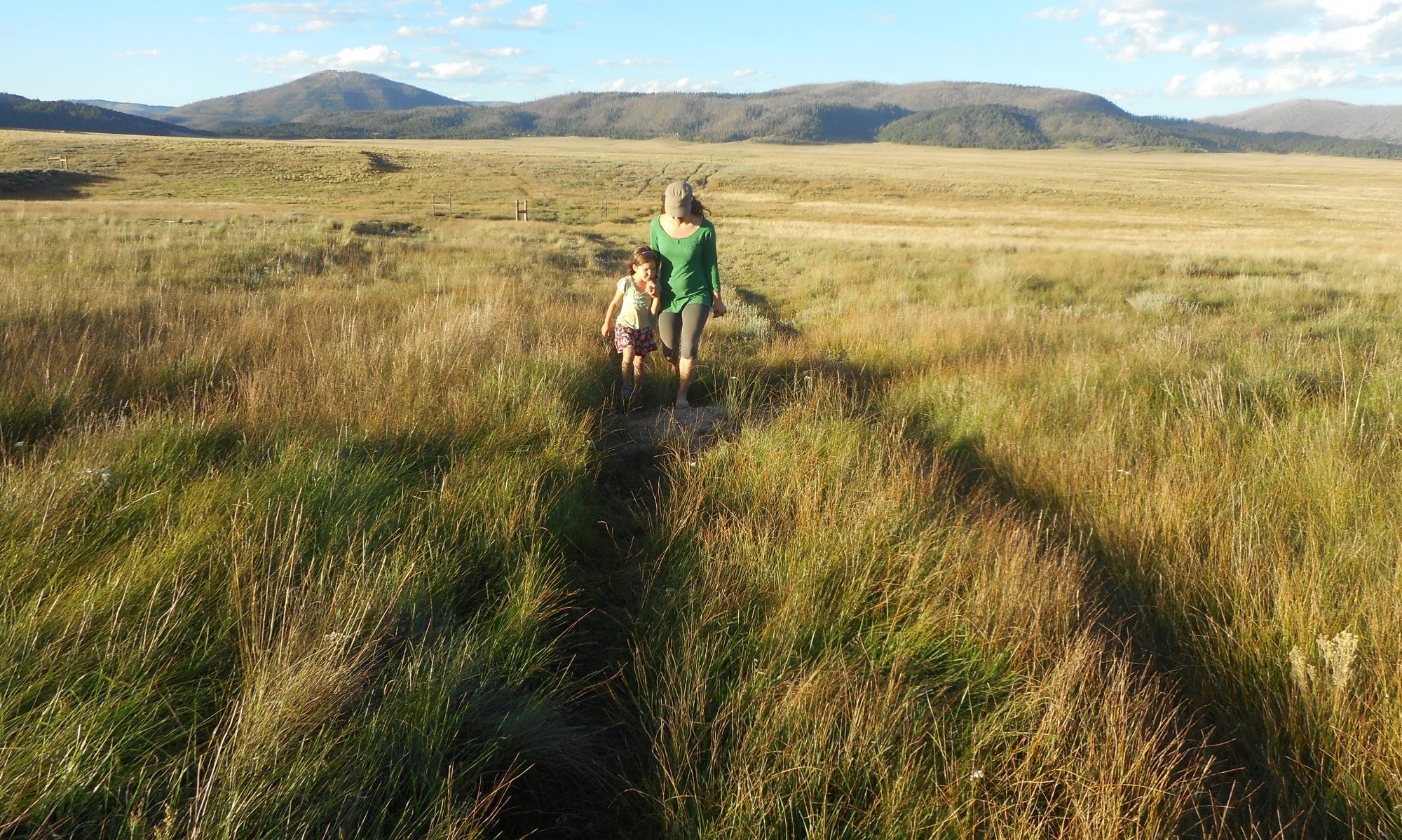
Head out onto the land.


Take a look around.

Then look closer.

Greet your old friends with a cry of happy recognition.

How well you look!

Make your prayer, offer thanks.

(Tobacco or corn meal do well, but homemade crackers work in a pinch.)

Ah, that joyful exchange of praise and pruning for medicine.

Wander, greeting the plants all around, eyes tuned to the rocks, the sand, the sky.

The dusky green that makes even this dry land abundant.

Oh friends, your beauty and goodness are a song I’ll never stop singing.

Honor the plants by making simple medicine from them,

And they will honor you with their healing.

Before, during, after.

::

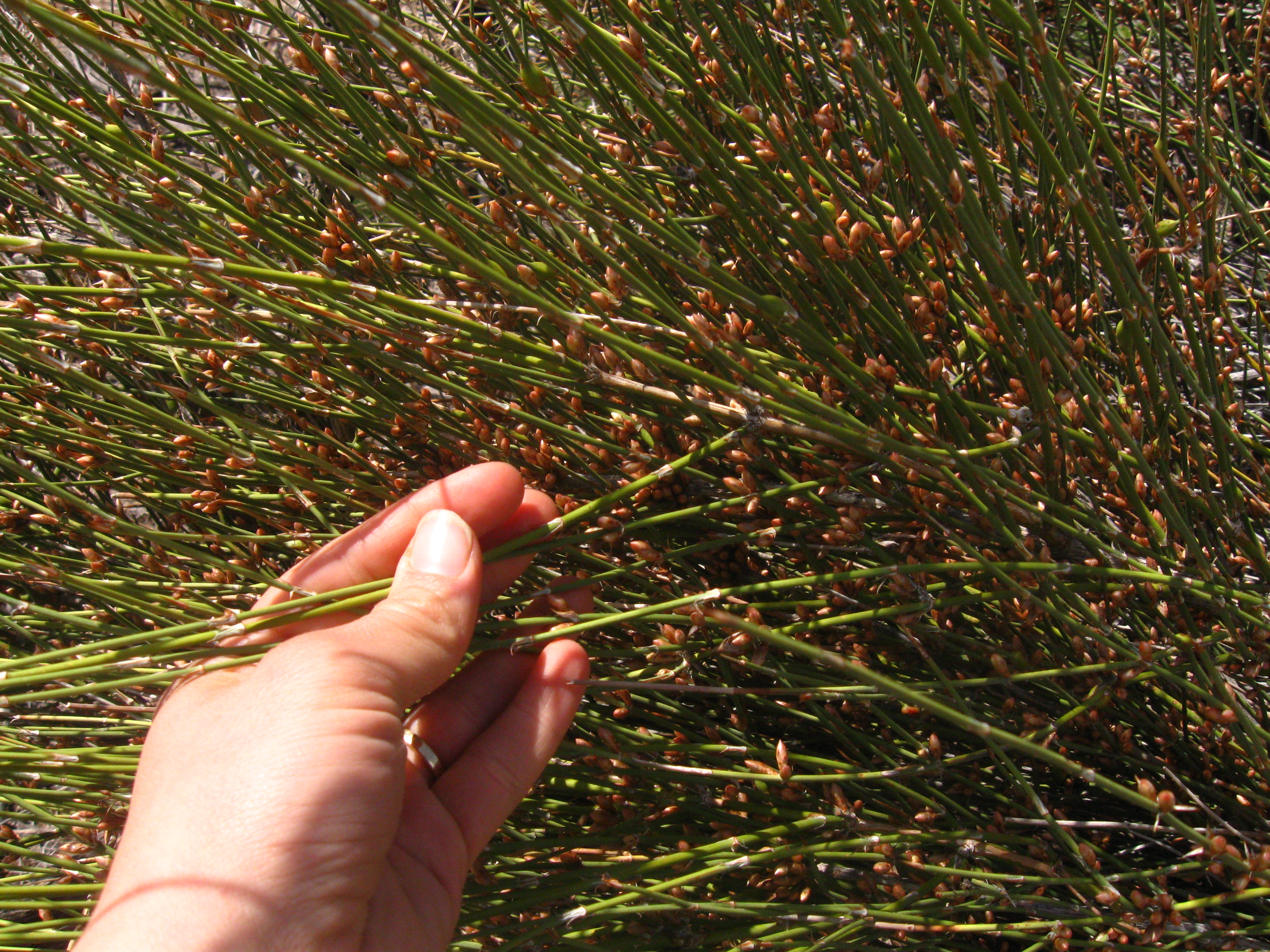
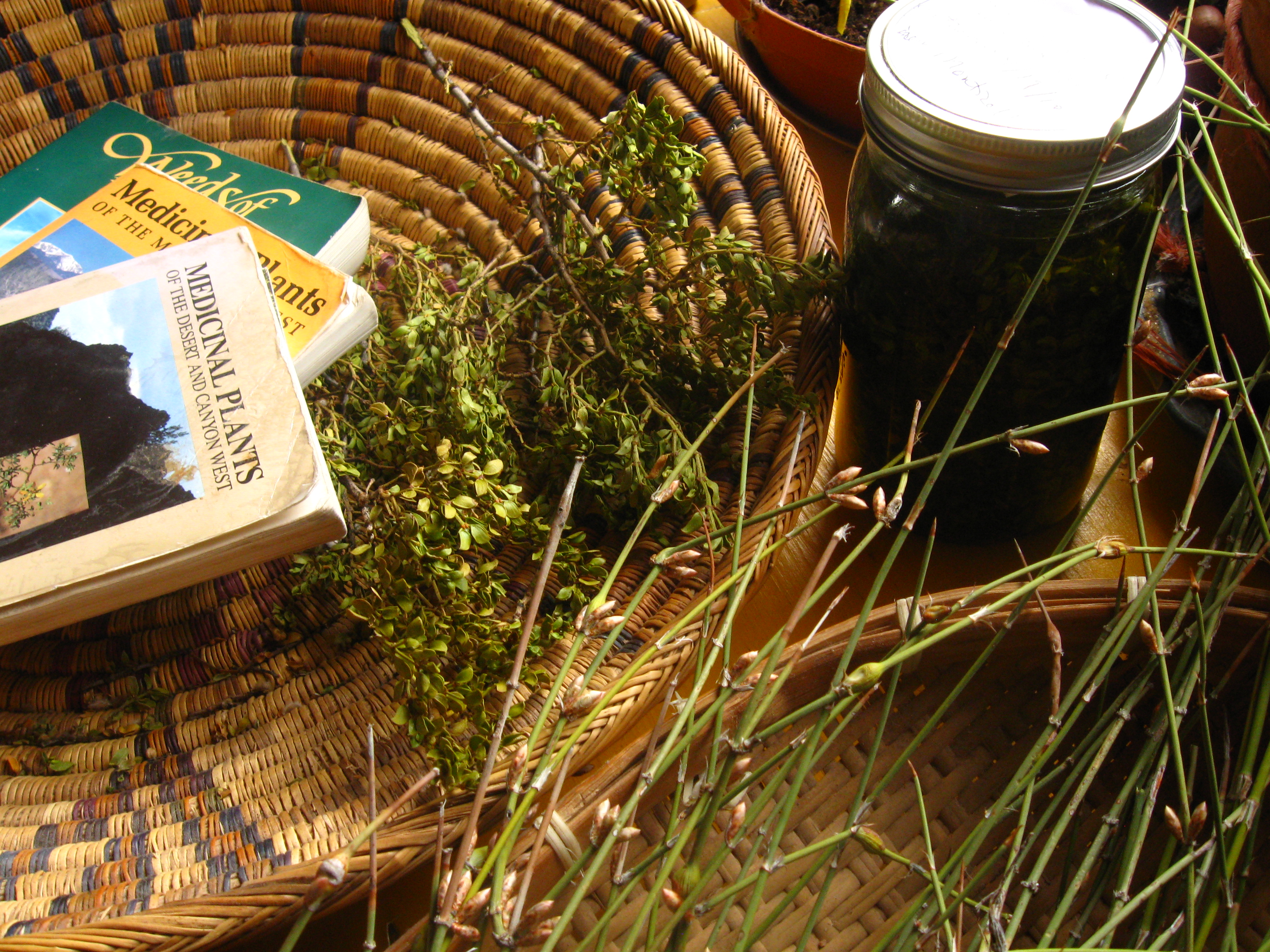
The long, thin “leaves” are Mormon Tea, found flowering and abundant in a wash down south. We’ll add it to our daily tea blend for its rich mineral content and nourishing powers.

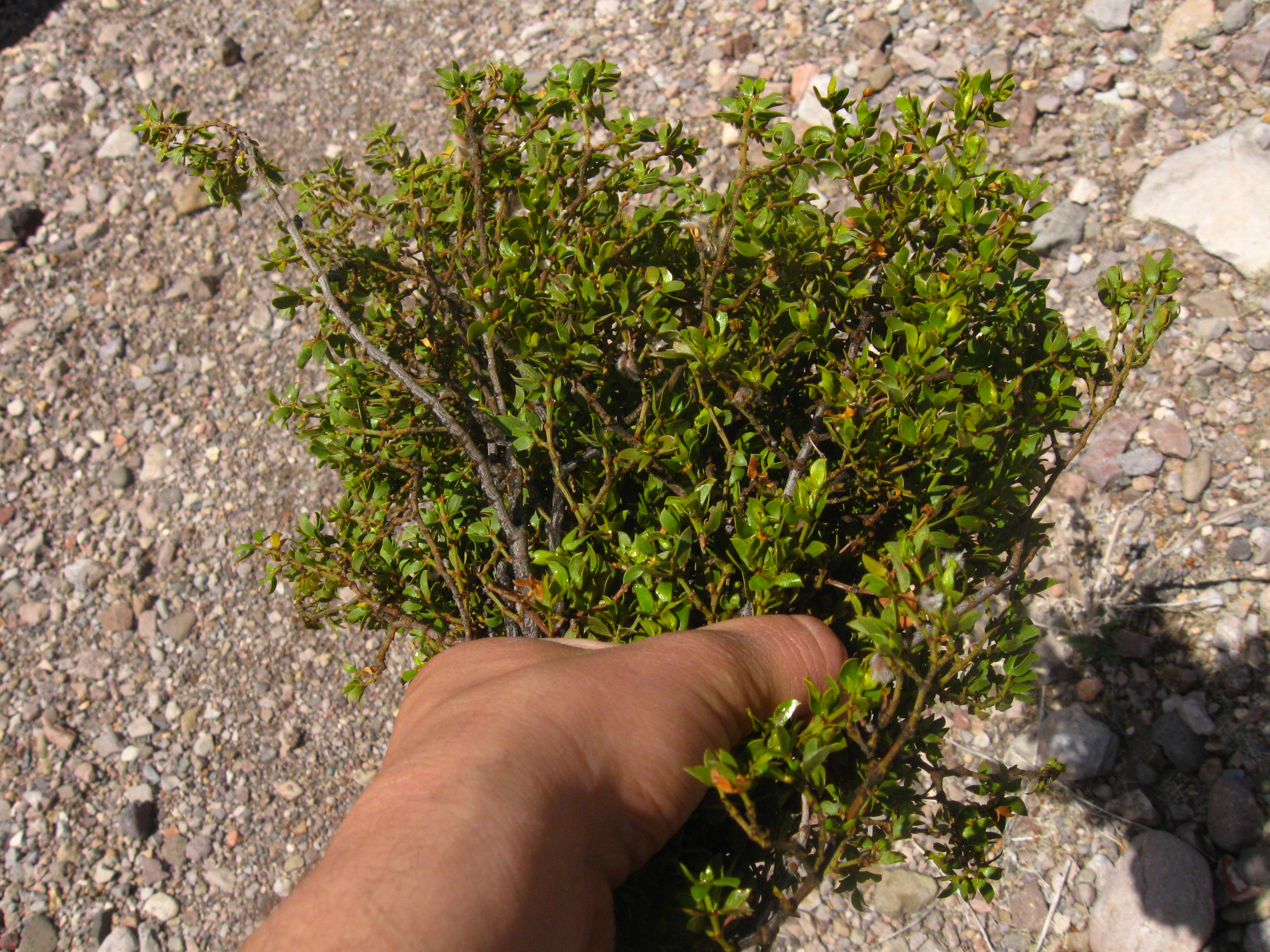
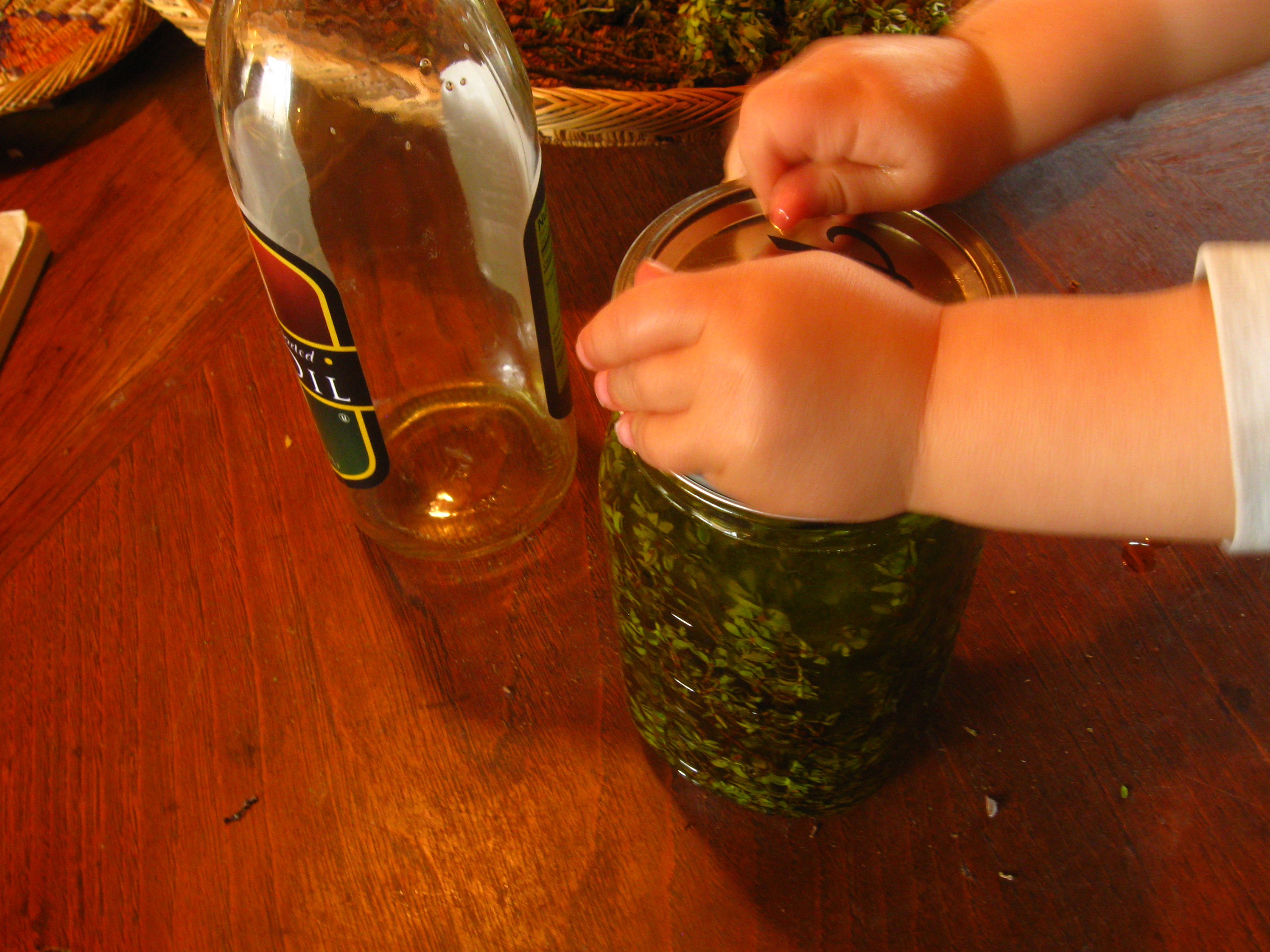
The small, shiny round leaves are from chaparral (creosote bush to non-herbalists). This plant reigns over the Chihuahuan desert, and is potent medicine. I’m making oil to use as a base for sunscreen this summer.

Our favorite books for this area are the ones written by our beloved teacher Michael Moore: Medicinal Plants of the Desert and Canyon West and Medicinal Plants of the Mountain West.

(PS happy Earth Day)

Deep Thoughts: Engaged Citizenship

Despite my brave, opinionated words on the importance of personal change and symbolic action (see On Symbolic Action on my sidebar) I am very well aware that nothing is quite as simple as saving the world by quitting plastic. While I feel strongly about the necessity of personal action–especially serious, life-changing action–that doesn’t mean I can always articulate to myself, let alone you, dear reader, exactly why this is so necessary and powerful, why it might change the world after all. But I’m always on the lookout for people who can. My quest for meaning hit the jackpot this week. I’m reading A Handmade Life: In Search of Simplicity by William Coperthwaite. This guy has been reflecting on these questions, and living his answer to them, for decades longer than I’ve been around. Furthermore, he is a link to earlier generations of people who also asked these questions in their own time, and whose lives also became the answer.

This quote is from the introduction, which was written about Bill by somebody else. I love it because it gave me chills. Deep stuff, I tell you. And it brings in Wendell Berry, to boot. It’s long but really good.

In a false democracy, individuals become only spectators to their own experience and to the wider intellectual, civic and social life around them. “The work of creating a new society” can only be accomplished, according to Bill, through citizen action; not “by specialists, but the people themselves to fit their needs.”

Bill sees democratic action as that in which private behavior is recognized to have civic consequences. Here is a way of life that continuously asks the question, “How can I live according to what I believe?” Wendell Berry has described this kind of politics as “more complex and permanent, public in effect but private in its implementation.” According to Berry:

To make public protests against an evil, and yet live dependent on and in support of a way of life that is the source of the evil, is an obvious contradiction and a dangerous one. If one disagrees with the nomadism and violence of our society, then one is under an obligation to take up some permanent dwelling place and cultivate the possibility of peace and harmlessness in it. If one deplores the destructiveness and wastefulness of the economy, then one is under an obligation to live as far out on the margin of the economy as one is able: to be as economically independent of exploitative industries, to learn to need less, to give up meaningless luxuries, to understand and resist the language of salesmen and public relations experts, to see through attractive packages, to refuse to purchase fashion or glamour or prestige. If one feels endangered by meaningless, then one is under an obligation to refuse meaningless pleasures and to resist meaningless work, and to give up the moral comfort and the excuses of the mentality of specialization.

Road Trip

We fired  up the old VW over the weekend and took a little road trip to Truth or Consequences. Nope, that’s not a metaphor, just New Mexico. It’s warm down there, with hot springs, the big Rio Grande, and old friends, both human and plant, to reconnect with. And of course, we did our best to not let a little road time not devolve into one big potato chip indulgence. In other words, to keep our no new plastic ways alive in a slightly more challenging setting.

What I learned is, the same rules apply to the road as at home: Keep it simple.  Make do. Substitute. And, you know, relax.

I made a batch of cookies and crackers, and goat cheese (cuajada, my favorite fresh, raw cheese) the morning we left. (Yes, we were about three hours behind schedule.) I thought of making everything in advance, but E. had the novel idea that we just wing it. Which was good, because in a way this was practice run for our plans of extended road tripping this summer. When, no doubt, some compromises will be made, but perhaps not as many as it first seems. After all, folks did a fair amount of moving around in the millennia before plastic came on the scene.

We ate things a lot like what we eat at home: eggs and potatoes, cooked with garlic and spinach. Pasta with local asparagus and chard. Sandwiches. Oatmeal. We brought along plastic jugs for water, and a few of our old plastic bags to keep the bread and greens in. We brought a supply of cloth diapers, but Cora is a natural at peeing in the woods. For snacks we brought along things from the bulk aisle of our home store: cheese sticks, nuts, granola. It was fine.

We did end up acquiring one plastic bag. When we stopped at a gas station in T or C for a six pack of beer, and they said it was illegal to bring it outside without a bag. The bag came in handy though, because trash happens. And sipping a brew by the dying coals of a cedar fire, the crescent moon setting over the mountains, well, some things in life are just meant to be.

Happy travels!

Germination

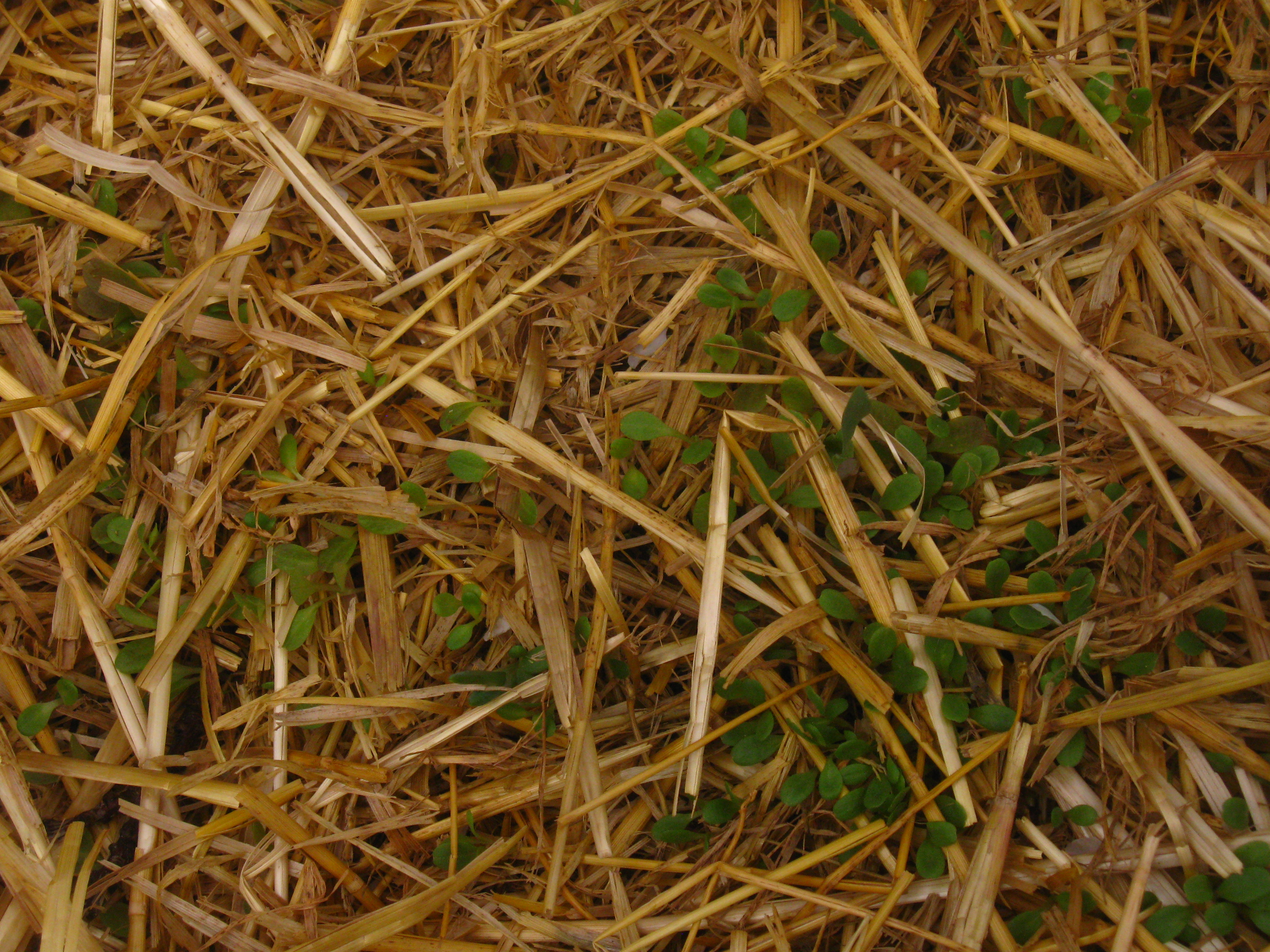
The seeds are sprouting.

I know it happens billions and billions of times each year.

But, gee, these are the seeds I planted.

And speaking of seeds I planted, I first put word out about my garden blog party, a half moon ago or so.  Funny enough, in my fertile imagination that seed just germinated, oh, yesterday. In other words, I figured out what to write about. So I’m postponing things a tad. Shall we  aim for a May 1st extravaganza? Just in time for getting serious about our gardens. (What you’ve seen from me so far was just a little cold season prelude.)

Here’s the meat of the invitation:

What has your land taught you? (Or the potted aloe plant on the kitchen window sill?) Tell us about your method or philosophy, your tools, your bounty and losses. Tell of your favorite plants, what you say to weeds, the smell of rain on your soil. Tell us of the wild land you roam and how it strengthens the plot you cultivate and your own growing body. Tell us what your garden would say if it could speak, what it has whispered to you when you weren’t listening, but heard anyways. Speak practically or poetically. Whether you cultivate it or not, whether you have “success” with those efforts or not, whether you consider yourself obsessed with green growing things or utterly indifferent, I’d like to know what you’ve learned from your home-ground.
Or, at least why you garden.

(I know that sounds rhetorical, but really, what comes up when you dig a little deeper?)

Cast your net as close or far as you please to answer that one.

To join in, send me a link or leave a comment before May 1st. Just one last moment for calm reflection before the glorious madness of summer.

Women’s Work

While I do enjoy  figuring out how my great grandma got by without plastic, there are moments, fleeting but real, where I stop and marvel at where I’ve found myself.

The truth is, this is my second go at learning these lost kitchen arts. Long ago, before I succumbed to the mainstream, I was a righteous country girl. I made my share of bread, and had chickens. I learned to can “open-kettle” style (which, if that sounds quaint, is the kind of preserving that causes botulism), and wildcrafted herbs up and down the Rio Grande. My greatest ambition in life was to, well, do what I’m doing now – be a mama who writes occasional poems and whips out two loaves of fresh bread while singing “The Bramble and the Rose.”

Between those tender years and now, I did a little exploring, a little branching out. I’ve never stopped wildcrafting, and making simple medicines, but I also became a registered nurse, and worked long shifts at the local hospital. I kept writing poems, but also studied deconstruction and semiotics. I became hooked on Trader Joe’s. And now here I am, making tortillas, singing nursery rhymes, and nursing my two year old all day long.

Sometimes the strangeness of it all strikes me. And I stop and marvel for a moment.

I try to honor all my teachers, all my passions, every road I’ve gone down, even the ones I’ve backtracked from. And then returned to, when the time was right. Who knew becoming a domestic feminist diva bad ass bread baker could be so empowering? And so baffling?

Where’s all this going? Just here. Where I am is where I am. And the bread tastes better than ever.

One-Sheet Book Tutorial

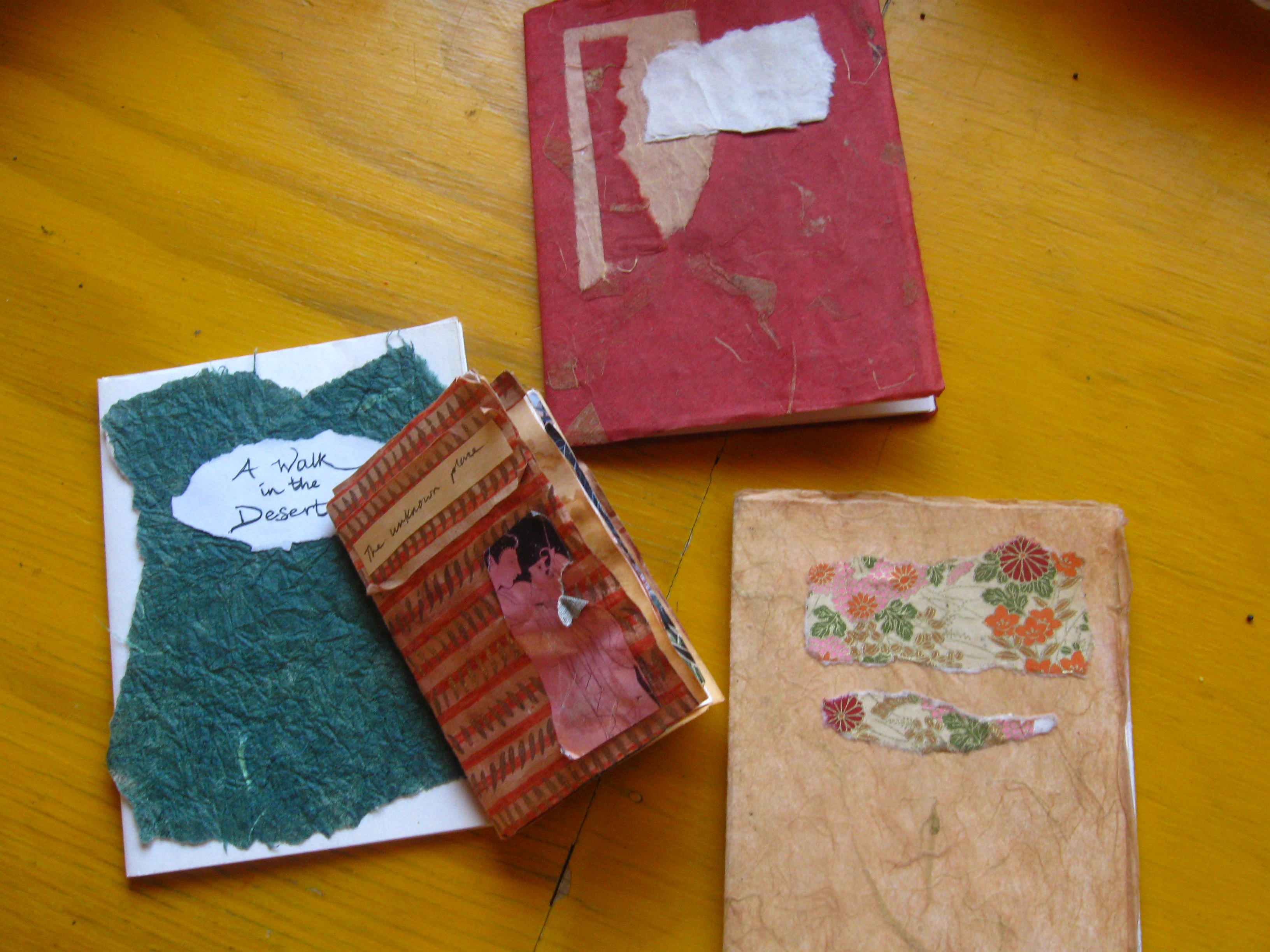
This is a one-sheet book. It has four pages.

If you love words, or pictures, or making words or pictures, or know someone who does, then read on.

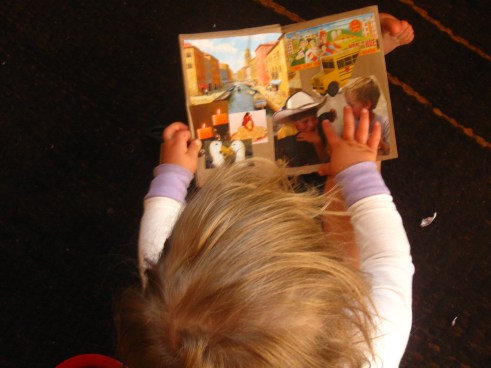
I made this book for Cora.

It’s kind of about colors. But also shoes, children, animals, and other things that delight her.

Paper of any thickness or size can be used.

For this book I used the inside of a brown paper bag.

See, a one sheet book.

Okay, here we go:

A picture speaks a thousand words, right? So I’ll just add to this one that you begin by creating a grid of folds on your paper.

Make one fold across the length, one across the width, and then fold two edges to the middle.

Then fold in half vertically, and cut to the next fold, creating a hole in the middle.

Open the sheet up and refold horizontally. Bring the two edges of the cut together, pushing out the middle pages.

Like this. I promise it will make sense with the paper in your hand, if it doesn’t now.

Press the book into place, creasing all the pages to where they belong. It doesn’t matter which is the cover.

Ta da! A one sheet book.

Now you get to fill it!

And that’s when the fun really begins.

Though I do think a blank book is the bee’s knees and exactly what I’d want on a desert island.

That and some extra sheets to make more books.

When living, just live: Moving towards inner simplicity

I was lying in bed nursing my little one, a book propped up in front of me as usual. This time it happened to be Everyday Blessings: The Inner Work of Mindful Parenting by Myla and Jon Kabat-Zinn. And I came to these words:

When sitting, just sit.

When eating, just eat.

When walking, just walk.

When talking, just talk.

When listening, just listen.

When looking, just look.

When touching, just touch.

When thinking, just think.

When playing, just play.

And enjoy the feeling of each moment and each day.

What can I say? I put the book down. The sun coming through the window felt warm on my back. My daughter fell asleep in my arms. The moment lasted a long, long time.

Thanks, Arundhati

I heard the incomparable activist and writer Arundhati Roy speak last week, and I’m still on fire. The night’s immersion into such heady territory–empire, democracy, globalization, commerce, and naturally, the environment, left me reflecting on the nature of information. There have been times in my life where I just have to turn off the noise. I turn away from the news, and even from the intelligent criticism of it. I’m afraid of getting overwhelmed, of despair, of hopelessness. And yes, I can report back that there is a stillness that can be found in turning off the noise. But if it is not a powerful, life changing stillness, one able to counter and upend our culture’s unyielding and destructive growth, then it is finding a false refuge.

We are among the privileged few in the world able to choose the safety of hopelessness. We can say, there’s nothing I can do, so I’ll just not worry about it. It is from that place of dis-empowerment that we can opt out, convinced of our inability to make a difference. From there we comfortably continue on in our lives, content to do the best we can.

Across the planet, in places wrecked by climate change and war (often the two are hand in hand), people have been forced past the point of reasonableness to the precipice of hope. It is a hope born of necessity, and made real with action. These are our kin, our counterparts who can no longer afford hopelessness.

I’m generally always looking for an answer to my questions about how to live. What kind of action is the right kind? What is enough? Where does living well for myself and living well for the planet intersect? I don’t always know what to do, and when I have a fleeting certainty, it is quickly countered by the endless contradictions of our reality. But by staying engaged and educated, I find that I am better able to fertilize my own inner capacity for action, involvement, and change. Which are all fingers on the hand of hope.

Without reminders of the shocking injustices taking place in my name–or in the name of capitalism and growth, a system based on inequality and from which I undoubtedly benefit at the expense of others–I could easilt slip back into my old, I’m Doing the Best I Can ways.

We need the kind of gloablization that keeps us in check. That breaks down barriers of ignorance and apathy. We need to be reminded of our place in the Great Turning, so that even when we are truly doing the best we can, we want to do still more. And do it.

::

If you’re at all curious about what hope, action, and battling for system change looks like in India, please check out Arundhati’s recent article in the recent edition of Outlook India magazine.

A Special Thank You to Old Man Winter

Lot’s of gratitude in our house these days for the super abundant snow pack blanketing our mountains.

Seeping into the earth, down the mountainside, spilling through our taps and, blessedly, into our most beloved and dry river.

Our walks have meandered down from the ridge tops we frequent in the winter back into this once-again running, much neglected riverbed.

We hope for a long season of flow, the health of the willows and native plants, the birds and beavers, all the creatures that share this waterway.

And give a special thanks for the watering of our own thirsty souls.